Introducción
The rubber manufacturing industry, encompassing tire production, industrial belts, hoses, and various composite goods, perpetually grapples with a set of fundamental challenges. Achieving and maintaining robust, durable adhesion between rubber compounds and their reinforcing skeleton materials—be it metal cords, textiles, or organic fibers—is paramount. Failures in this interface lead to catastrophic product defects: tire shoulder separation problem , belt delamination, and hose blowouts, compromising safety, performance, and longevity. Manufacturers frequently search for solutions to these very issues, using terms like “why does my rubber product delaminate’“ or seeking the “best way to ensure strong bonding in rubber metal composites.” Concurrently, there is relentless pressure to optimize energy-intensive mixing processes to save rubber mixing energy, reduce material waste such as porosity, and enhance the overall uniformity and heat resistance of their products. Meeting these demands requires more than incremental improvements; it demands innovative additive technologies from a dedicated Tire additive manufacturer China.
Sane Zenchem’s GreenThinking® brand, addresses these core industry pain points with its advanced adhesive agent series. This article provides a comprehensive technical deep-dive into two of its flagship products: GreenThinking® BD59 and GreenThinking® BD54. Moving beyond basic datasheets, we will explore their distinct chemistries, targeted applications, and the specific mechanisms by which they deliver tangible, multi-faceted performance benefits, providing clear answers for those seeking an “additive to make rubber compound more dense and uniform“ or an “adhesive that improves both initial and aged bond to steel cord,” ultimately contributing to more reliable, efficient, and superior-quality rubber manufacturing.
Part 1: GreenThinking® BD59 – The Metal & Multi-Material Bonding Specialist

1.1 Product Overview and Chemistry
GreenThinking® BD59 is presented as a grey powder, formulated as a sophisticated mixture of non-metallic complexes and reactive hydrocarbon molecules. This deliberate chemical composition is key to its function as a high-performance non metal bonding agent. Unlike traditional cobalt-based or resin-based systems that may have drawbacks like environmental concerns, corrosion promotion, or processing limitations, BD59’s non-metallic, reactive blend is designed to interact effectively with both rubber polymers and various skeleton material surfaces at a molecular level. It serves as a high-performance “non metallic alternative to cobalt for rubber to metal bond.”
1.2 Primary Application Focus and Targeted Pain Points
BD59 is explicitly recommended for natural rubber, synthetic rubber, and recycled rubber compounds. Its design is particularly suitable for products with metal skeleton components, such as steel-belted radial tires, rubber-to-metal bonded engine mounts, conveyor belt splices, and reinforced hoses. It is the preferred “adhesive to stop rubber and steel belt separation.” The primary pain points it addresses are:
- Insufficient Initial and Aged Adhesion: Weak bonding strength, especially after exposure to heat, humidity, and dynamic fatigue, leading to interface failure. BD59 is engineered to enhance adhesive aging resistance.
- Poor Mixing Homogeneity & High Energy Consumption: Inefficient dispersion of fillers and other additives during mixing, requiring longer cycle times and higher power input.
- Product Defects (Porosity & Delamination): Entrapped volatiles and poor filler dispersion causing micro-voids (porosity), which become initiation sites for cracks and delamination under stress. BD59 is a direct solution for “how to prevent air bubbles and porosity in rubber products“ and is highly effective to reduce rubber compound porosity, directly tackling this quality issue.
- Quality Inconsistency: Batch-to-batch variations in compound properties due to non-uniform mixing.
1.3 Mechanism of Action and Performance Benefits
1.3.1 Superior Adhesion Performance
BD59 significantly enhances the initial bond strength between the rubber matrix and skeleton materials (metal and non-metal). More critically, it provides exceptional retention of adhesion strength after aging. The reactive hydrocarbon molecules are believed to form stable chemical bridges and/or strong physical interactions at the interface, creating a cohesive interphase that resists degradation under service conditions. This directly tackles the major failure mode of rubber-metal composites.
1.3.2 Process Optimization and Energy Savings
Beyond adhesion, BD59 acts as a process aid and a “rubber mixing process aid to save energy and improve dispersion.” It optimizes the incorporation and dispersion of other compounding ingredients (like carbon black, silica, fillers) during the mastication and mixing stages. By reducing compound viscosity and improving filler wettability, it promotes faster, more uniform mixing. This translates directly into reduced mixing time and lower energy consumption per batch, offering clear economic and sustainability benefits by helping to save rubber mixing energy.
1.3.3 Enhancement of Composite Integrity and Quality
This product tackles defect formation through multiple channels, effectively “solving tire belt edge separation with adhesive“:
- Reduction of Porosity: BD59 helps to significantly lower the void content in rubber compounds. It likely facilitates the removal of low-molecular-weight substances generated during processing and vulcanization. Furthermore, the potential nano-scale effects of its components may enhance packing density within the compound, addressing “how to increase the density and reduce voids in rubber parts.”
- Prevention of Delamination: By ensuring superior interfacial adhesion and a more homogeneous, void-free rubber matrix, BD59 effectively helps prevent tire shoulder separation and delamination in belts, tapes, and hoses. This leads to a marked improvement in product durability and safety.
- Improved Uniformity: The enhanced mixing efficiency directly results in a more consistent compound morphology, leading to predictable and uniform final product properties such as modulus, tensile strength, and dynamic performance.
1.4 Technical Data and Application Guidelines
- Typical Physical Data (as per TDS):
- Ignition Loss at 750°C: 2.72% (against a standard of ≤15%). This low value indicates a high content of inorganic/active components.
- Heating Loss at 105°C: 0.11% (against ≤2.0%). Extremely low moisture and volatile content, ensuring stable processing and no blistering.
- pH Value (5% solution): 9.06 (within range of 7.5-10.5). A mildly alkaline nature, often beneficial for adhesion to metal surfaces.
- Usage & Dosage: BD59 should be added during the mixing process alongside other minor ingredients. Addition in the first (non-productive) mixing stage is recommended for optimal dispersion and interaction. The recommended dosage is 2 to 7 parts per hundred parts of rubber (phr), allowing formulators to adjust based on the specific compound and performance requirement.
- Embalaje y almacenamiento: 25 kg/bag. Must be stored sealed in a cool, dry, and well-ventilated area.
Part 2: GreenThinking® BD54 – The Fiber Specialist with Thermal Management
2.1 Product Overview and Chemistry
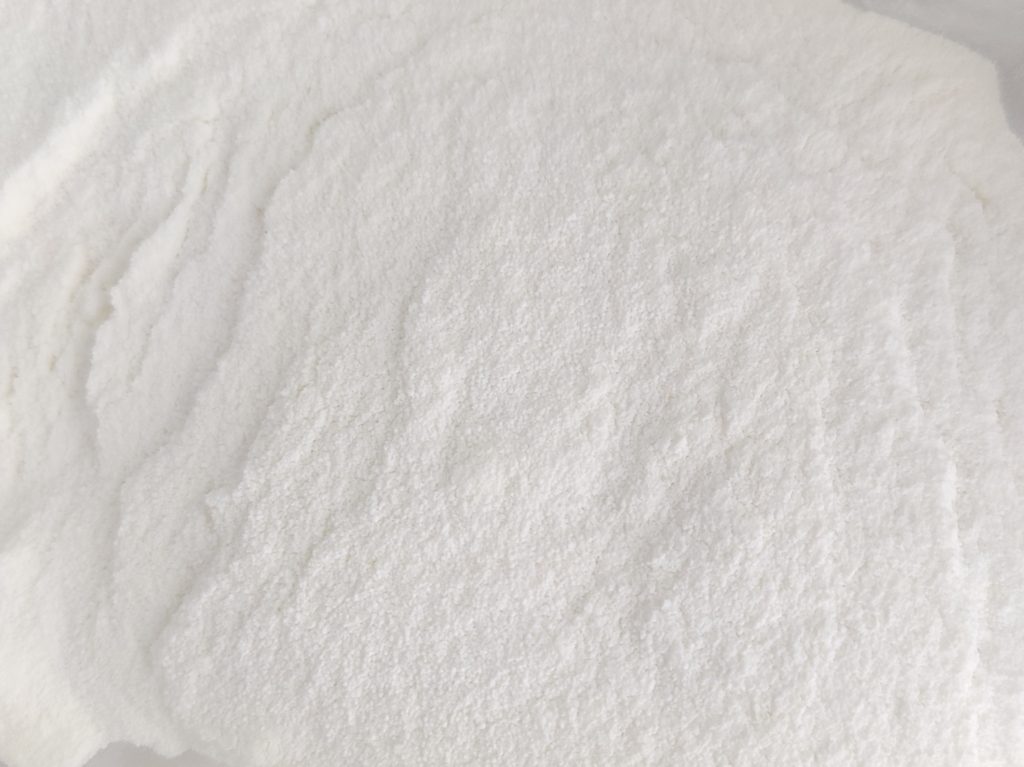
GreenThinking® BD54 is a white to light red or light yellow powder, comprising a mixture of functional organic polymer resins and active inorganic carriers. This unique formulation is engineered to target adhesion challenges with organic materials while imparting additional thermal benefits, making it an effective “adhesive to prevent nylon cord pull out in rubber hoses.”
2.2 Primary Application Focus and Targeted Pain Points
BD54 is also applicable to natural, synthetic, and recycled rubbers but is particularly suitable for fiber skeleton products. This includes tires with polyester, nylon, or rayon cords, as well as fiber-reinforced belts, hoses, and textiles. Its pain point focus overlaps with but extends beyond BD59:
- Weak Rubber-to-Fiber Adhesion: A classic challenge, especially with synthetic fibers, leading to cord pull-out and ply separation. BD54 is specifically designed to improve fiber cord adhesion.
- Heat Buildup and Thermal Aging: Fiber-reinforced products in dynamic service (e.g., rolling tires) generate heat, which accelerates adhesion degradation and polymer aging. This makes BD54 the key “additive that can reduce heat buildup in running tires“ and is instrumental to Additives lower tire heat generation.
- Similar Process and Defect Issues: Like BD59, it addresses mixing efficiency, energy use, and defects like delamination.
2.3 Mechanism of Action and Performance Benefits
2.3.1 Enhanced Adhesion to Non-Metallic Materials
BD54 shows a pronounced effect in boosting the bonding force between rubber and various non-metallic skeleton materials, such as organic fibers and cords. The functional resins likely provide excellent compatibility and specific adhesion forces (e.g., hydrogen bonding, polar interactions) with these substrates. It also notably improves adhesion to metal skeleton materials, making it a versatile choice for hybrid reinforcements.
2.3.2 Thermal Management and Durability Enhancement
This is a key differentiator for BD54. It provides a clear solution for “how to lower rolling resistance and heat in tires with additives“:
- Reduction of Heat Generation: It can significantly decrease the heat buildup within the rubber compound during processing and, more importantly, during product use (e.g., lower hysteresis in a tire tread). This suppresses the operational temperature rise, a critical factor in tire rolling resistance and durability.
- Improved Heat Aging Resistance: BD54 enhances the compound’s ability to withstand prolonged exposure to high temperatures without severe property degradation. This directly contributes to “extending the life of rubber belts exposed to high heat“ and other products operating under thermal stress, thereby helping to enhance adhesive aging resistance.
2.3.3 Process Optimization and Defect Prevention
Mirroring BD59, BD54 improves mixing efficiency for energy savings and promotes compound homogeneity. Its role in preventing delamination defects in tires and industrial rubber goods remains crucial, ensuring structural integrity.
2.4 Technical Data and Application Guidelines
- Typical Physical Data (as per TDS):
- Ignition Loss at 750°C: 38.29% (against ≤45.0%). This higher value compared to BD59 reflects its significant content of functional organic polymer resins.
- Heating Loss at 105°C: 2.69% (against ≤6.0%). Indicates acceptable moisture/volatile levels for stable processing.
- pH Value (5% solution): 6.97 (within range of 5.5-8.5). A nearly neutral pH, suitable for a wide range of compounds and fiber materials.
- Usage & Dosage: Similar to BD59, it is added with other minor ingredients during mixing, preferably in the first stage. The recommended dosage is 1 to 7 phr, offering a broad window for optimization.
- Packaging & Storage: 20 kg/bag. Requires storage in a sealed, cool, dry, and well-ventilated environment.
Part 3: Comparative Analysis and Strategic Selection
| Feature | GreenThinking® BD59 | GreenThinking® BD54 |
| Primary Target | Metal Skeleton Materials (Steel cord, brass/zinc plated metals) | Fiber Skeleton Materials (Polyester, Nylon, Rayon, Aramid) |
| Key Color | Grey | White to Light Red/Yellow |
| Core Chemistry | Non-metallic Complexes, Reactive Hydrocarbons | Functional Polymer Resins, Active Inorganic Carriers |
| Adhesion Focus | Exceptional initial & aged bond to metals; strong general adhesion. | Superior bond to organic fibers & cords; also improves metal adhesion. |
| Unique Performance | Porosity Reduction, Enhanced matrix densification. | Heat Buildup Reduction, Improved heat aging resistance. |
| Shared Benefits | Improved mixing efficiency & energy saving; Prevention of shoulder separation/delamination; Enhanced compound uniformity. | Improved mixing efficiency & energy saving; Prevention of shoulder separation/delamination; Enhanced compound uniformity. |
| Typical Dosage | 2 – 7 phr | 1 – 7 phr |
| Embalaje | 25 kg/bag | 20 kg/bag |
Selection Guide:
- Choose BD59 when the primary challenge involves bonding to steel or other metals, and when issues like porosity and achieving maximum matrix densification are critical (e.g., high-performance tire belts, engineered rubber-metal parts).
- Choose BD54 when reinforcing materials are primarily textiles or organic fibers, or when the application involves significant dynamic heat generation and thermal aging is a key concern (e.g., tire carcasses, fiber-reinforced hoses/belts for high-speed operation).
- For products with hybrid reinforcements (both metal and fiber), both products warrant evaluation through testing to determine which delivers the optimal overall balance of properties.
Explore our full range of specialty additives. See the attached PDF for complete product details.
Part 4: Conclusion and Implementation Perspective
The GreenThinking® BD59 and BD54 adhesive agent series from Sane Zenchem, a leading Tire additive manufacturer China y Tire filler manufacturer in China, represent a strategic advancement in rubber compounding technology. They move beyond being simple “sticky” additives to become multi-functional performance modifiers. By directly addressing the intertwined pain points of adhesion failure, process inefficiency, product defects, and thermal degradation—pain points that customers express through searches like “how to improve rubber bonding strength to prevent failure“—they offer compounders a powerful toolset for product enhancement and cost optimization.
Their value proposition is clear:
- Enhanced Reliability and Safety: Through robust and durable adhesion, directly reducing failure rates in critical components.
- Improved Manufacturing Efficiency: Via energy savings and shorter mixing cycles from optimized processability.
- Superior Product Quality: By delivering more homogeneous compounds with fewer defects like porosity and delamination.
- Extended Product Life: Particularly with BD54’s thermal management properties, leading to longer service life under demanding conditions.
As with any performance additive, preliminary testing in specific compound formulations is essential to fully quantify the benefits and fine-tune the dosage. The technical data provided serves as a reliable guide, but real-world validation is the final step. By integrating GreenThinking® BD59 or BD54 into their development and production processes, rubber manufacturers can make a significant stride towards producing stronger, more durable, and more efficient products, ready to meet the stringent demands of modern applications.
 English
  Español
  Русский