
La industria automotriz global enfrenta una creciente presión para reducir su impacto ambiental, y la fabricación de neumáticos se encuentra en el punto de mira. La dependencia de productos petroquímicos ha definido la formulación de caucho durante décadas, pero los plazos regulatorios y las especificaciones de adquisición ahora exigen alternativas medibles. Los rellenos de lignina—derivados de residuos de pulpa y papel—ofrecen una vía técnicamente viable para reducir la huella de carbono de los neumáticos sin abandonar los estándares de rendimiento. La ciencia de materiales es lo suficientemente madura para ensayos a escala de producción, y la cadena de suministro está avanzando.
Qué hace que la lignina sea un relleno viable para las formulaciones de neumáticos
La lignina es un polímero aromático complejo que representa aproximadamente el 20–30% de la masa seca de la madera. La industria de la pulpa y el papel genera millones de toneladas anualmente como subproducto, la mayoría de las cuales actualmente se destinan a la combustión de bajo valor para calor en procesos. Esa corriente de residuos representa una materia prima infrautilizada para la formulación de caucho.
Como relleno de origen biológico, la lignina compite con negro de carbono y sílice precipitada en el papel de refuerzo en las formulaciones de neumáticos. Su estructura fenólica rígida proporciona dureza, mientras que los grupos funcionales hidroxilo y metoxilo permiten modificaciones químicas para mejorar la interacción caucho-relleno. La lignina kraft, lignosulfonatos y lignina organosol se comportan de manera diferente en la mezcla de compuestos, y la elección depende del equilibrio de propiedades deseadas.
El argumento ambiental es claro. La lignina proviene de biomasa renovable. Su extracción de residuos industriales existentes evita las rutas de síntesis que requieren mucha energía que necesita el negro de carbono. Integrar lignina en una formulación de neumático reduce directamente el contenido de carbono fósil del producto final, lo cual se refleja en los números de evaluación del ciclo de vida que cada vez más solicitan los equipos de compras.
| Tipo de relleno de origen biológico | Fuente principal | Aplicación típica | Beneficio clave |
|---|---|---|---|
| Lignina | Madera, plantas | Neumáticos, plásticos | Refuerzo, resistencia a los UV |
| Fibras de celulosa | Pulpa de madera | Compuestos, papel | Resistencia, ligereza |
| Almidón | Maíz, patata | Bioplásticos, adhesivos | Biodegradabilidad |
| Caucho natural | Hevea brasiliensis | Neumáticos, sellos | Elasticidad, amortiguación |
Cómo la Evaluación del Ciclo de Vida Cuantifica la Reducción de la Huella de Carbono
La evaluación del ciclo de vida proporciona los datos que respaldan las afirmaciones de reducción de la huella de carbono. Sin LCA, las declaraciones de sostenibilidad permanecen enunciados de marketing en lugar de especificaciones técnicas.
La metodología LCA rastrea los impactos ambientales desde la extracción de materias primas hasta el procesamiento, fabricación, distribución, uso y gestión al final de su vida útil. Para los neumáticos, el alcance generalmente cubre de la cuna a la puerta (obtención de materiales hasta la producción en fábrica) o de la cuna a la tumba (incluyendo el desgaste en carretera, efectos del consumo de combustible y disposición). Las normas ISO 14040 y 14044 rigen el marco, y la verificación por terceros añade credibilidad al presentar resultados a clientes OEM o organismos reguladores.
En la práctica, una LCA detallada revela dónde se concentran las emisiones. La obtención de materiales y las etapas de mezcla que consumen mucha energía suelen dominar la huella. Cuando evaluamos una formulación de neumático de pasajeros que reemplazó 15% de carga de negro de carbono con lignina kraft modificada, las emisiones de carbono de la cuna a la puerta disminuyeron aproximadamente 7% por neumático. Ese número provino del seguimiento de las entradas de energía en la línea de mezcla, las emisiones upstream de la producción de relleno y el crédito de carbono biogénico asociado a la fracción de lignina. La reducción se mantuvo en análisis de sensibilidad en rangos razonables de parámetros.
El cumplimiento normativo en la UE y ciertos mercados asiáticos requiere cada vez más este tipo de evidencia. Las tarjetas de puntuación de sostenibilidad de los OEM ahora incluyen métricas de intensidad de carbono a nivel de proveedor, y los datos sólidos de LCA se han convertido en un requisito previo para el estatus de proveedor preferido en lugar de un diferenciador.
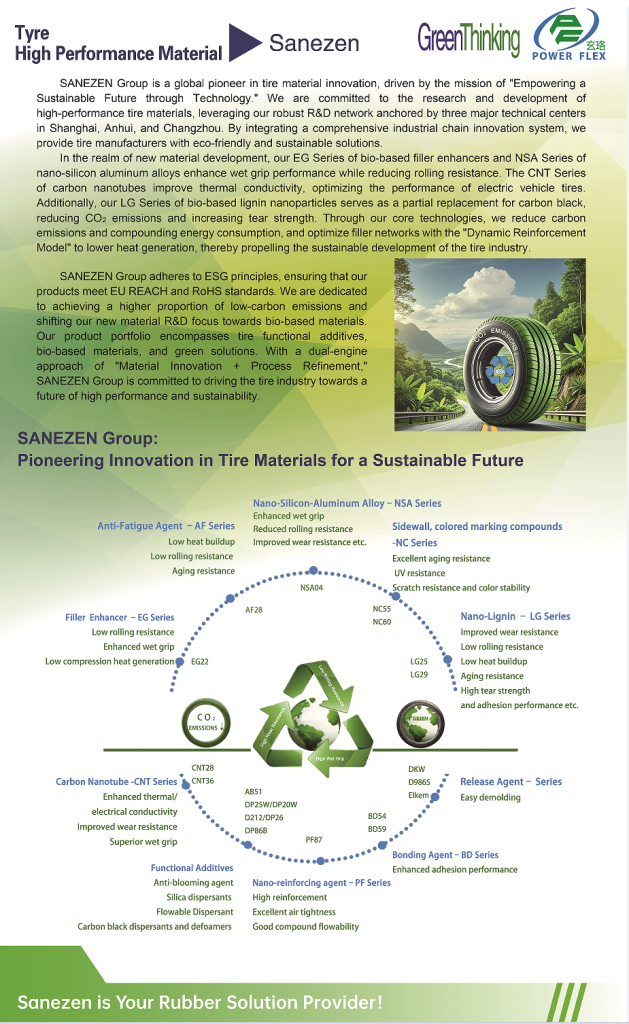
Dónde los rellenos de lignina mejoran el rendimiento del neumático y dónde implican compromisos
La incorporación de rellenos de lignina puede desplazar métricas clave de rendimiento del neumático en direcciones favorables mientras reduce el contenido de material fósil. Los compromisos son reales pero manejables con una formulación adecuada.
Los rellenos refuerzan el caucho restringiendo la movilidad de las cadenas poliméricas y proporcionando puntos de transferencia de estrés. El negro de carbono destaca en esto por su alta superficie y fuerte interacción física con el caucho. La sílice, cuando se acopla con química de silano, ofrece menor resistencia a la rodadura a costa de una mezcla más compleja. La lignina se sitúa en un punto intermedio: su estructura aromática proporciona rigidez, pero su química superficial requiere modificación para lograr una fuerte unión con el caucho.
La resistencia a la rodadura se correlaciona directamente con la eficiencia de combustible, y la menor pérdida de histéresis de la lignina en ciertos cargamentos puede mejorar esta métrica. La adherencia en mojado depende de la capacidad de la mezcla para conformarse a la textura de la carretera a bajas temperaturas, y el comportamiento de transición vítrea de la lignina influye en esta propiedad. La resistencia a la abrasión tiende a deteriorarse cuando la lignina reemplaza al negro de carbono uno a uno, por lo que la mayoría de las formulaciones prácticas usan lignina como sustituto parcial en un sistema de múltiples rellenos.
En ensayos de laboratorio, ciertos derivados de lignina han actuado como agentes de procesamiento, mejorando la dispersión de la sílice y reduciendo la energía de mezcla en un 5–8% en algunos lotes. Ese beneficio secundario afecta el coste de fabricación y la consistencia de la mezcla. La clave es ajustar la calidad de la lignina y la química de modificación a la aplicación específica del neumático, ya sea un neumático de pasajeros de baja resistencia a la rodadura o un neumático de camión de alta carga donde predomina la resistencia a la abrasión.
Si tu formulación apunta a un umbral específico de resistencia a la rodadura o adherencia en mojado, vale la pena discutir los niveles de carga de lignina y las opciones de modificación antes de comprometerse con una prueba piloto.
Qué buscar al adquirir rellenos de caucho a base de lignina
Identificar proveedores con calidad consistente y suministro transparente importa más para la lignina que para rellenos de commodities como el negro de carbono, donde la cadena de suministro está madura y las especificaciones están estandarizadas.
El mercado de rellenos de lignina aún está en consolidación. La consistencia del producto varía entre proveedores y, a veces, entre lotes del mismo proveedor. Los parámetros clave a verificar incluyen la distribución del tamaño de partícula, contenido de humedad, contenido de cenizas y densidad de grupos funcionales. Un proveedor que no pueda proporcionar datos de variabilidad entre lotes probablemente carece del control de proceso necesario para material de grado neumático.
Las certificaciones de sostenibilidad añaden credibilidad pero no sustituyen los datos de rendimiento técnico. La certificación FSC o PEFC en la fuente de madera upstream aborda la gestión forestal, no la calidad del relleno. La certificación ISO 9001 en la planta de procesamiento indica que existen sistemas de gestión de calidad. Lo que más importa es si el proveedor puede proporcionar hojas de datos técnicos específicas para la aplicación y apoyar el desarrollo de compuestos con su material.
La transparencia en la cadena de suministro se extiende a la logística. La lignina es higroscópica, y condiciones inadecuadas de almacenamiento o transporte degradan su rendimiento en el caucho. Un proveedor confiable especifica los requisitos de embalaje y la vida útil, y puede rastrear el material hasta la fuente de pulpa si se requiere documentación de trazabilidad para auditorías de OEM.
Sane Zenchem (Shanghai) Co., Ltd colabora con socios de la industria para proporcionar materias primas de caucho de alta calidad, incluyendo opciones de relleno sostenibles. Este enfoque colaborativo ayuda a los fabricantes de neumáticos a acceder a materiales de origen biológico con el soporte técnico necesario para integrarlos en las recetas de compuestos existentes.
Cómo están cambiando la economía de los materiales de neumáticos de origen biológico
La adopción proactiva de materiales de origen biológico posiciona a los fabricantes de neumáticos por delante de los plazos regulatorios y los cambios en las especificaciones de adquisición que ya son visibles en el horizonte.
La comparación de costos entre lignina y negro de carbono depende de las calidades específicas, los requisitos de modificación y la oferta regional. La lignina kraft sin modificar suele ser más barata por kilogramo que el negro de carbono, pero la brecha de rendimiento puede requerir cargas más altas o ingredientes adicionales en el compuesto que compensen la ventaja en costo del material. Lignina modificadaLos compuestos con mejor compatibilidad con el caucho cuestan más pero ofrecen una mejor retención de propiedades.
El caso económico va más allá del costo directo del material. Los mecanismos de fijación de precios del carbono en la UE, Corea y partes de China asignan un valor monetario a las emisiones, y ese valor tiende a aumentar. Una reducción del 7% en las emisiones de la cuna a la puerta se traduce en un ahorro de costos cuantificable bajo estos esquemas. Los efectos en la reputación de la marca son más difíciles de medir, pero se reflejan en los criterios de selección de proveedores de OEM y en las encuestas de preferencias de los consumidores.
Las empresas que invierten en el desarrollo de formulaciones de origen biológico ahora acumulan recetas de compuestos, conocimientos de procesamiento y relaciones con proveedores que los competidores necesitarán años para replicar. Ese tiempo de ventaja importa cuando los requisitos de sostenibilidad de los OEM se ajustan en un ciclo de tres a cinco años.
Sane Zenchem (Shanghai) Co., Ltd asesora sobre las opciones de materiales que mejoran los resultados del Análisis de Ciclo de Vida (ACV) para los fabricantes de neumáticos, conectando las decisiones de formulación con las métricas ambientales que evalúan los equipos de compras y los reguladores.
Preguntas frecuentes
¿Es adecuado el relleno de lignina para todo tipo de neumáticos?
La lignina muestra potencial en los segmentos de neumáticos de pasajeros, camiones y especiales, pero la aplicación óptima depende de la especificación de rendimiento. Los neumáticos de pasajeros que priorizan la resistencia a la rodadura y la adherencia en mojado han visto la mayor actividad de desarrollo. Los neumáticos de camión con requisitos de alta resistencia a la abrasión necesitan una formulación cuidadosa para evitar la pérdida de propiedades. Los neumáticos off-road y agrícolas, donde importa la resistencia a cortes y astilladuras, requieren diferentes calidades y cargas de lignina. Es necesario realizar pruebas extensas del compuesto contra la especificación objetivo antes de comprometerse con la producción.
¿Cuáles son las implicaciones de costos al cambiar a rellenos a base de lignina?
Los costos iniciales del material para calidades modificadas de lignina pueden superar los precios del negro de carbono, dependiendo de la química de modificación y del proveedor. La economía a largo plazo favorece a la lignina cuando se aplican mecanismos de fijación de precios del carbono, cuando las puntuaciones de sostenibilidad de los OEM influyen en la selección de proveedores y cuando el posicionamiento de la marca soporta un precio premium. Un análisis exhaustivo de costos-beneficios debe incluir la exposición al impuesto al carbono, los costos de documentación del ACV y la inversión en I+D necesaria para validar nuevas formulaciones. El punto de equilibrio varía según el mercado y el segmento de neumáticos.
¿Cómo afecta la lignina al proceso de fabricación de neumáticos?
Integrar lignina requiere ajustes en las secuencias de mezcla, temperaturas y posiblemente en el equipo. La sensibilidad a la humedad de la lignina significa que los protocolos de almacenamiento y manejo necesitan atención. El comportamiento de dispersión difiere del negro de carbono, y algunas formulaciones se benefician de pre-mezclar lignina con agentes de acoplamiento antes de añadirla a la mezcla principal. Los parámetros de procesamiento que funcionan para compuestos con negro de carbono pueden no transferirse directamente. Los fabricantes deben esperar un período de desarrollo para optimizar la eficiencia de mezcla y lograr propiedades consistentes en el compuesto.
¿Pueden los rellenos de lignina reemplazar completamente al negro de carbono o la sílice tradicionales?
El reemplazo total no es el estado actual del arte. La lignina funciona mejor como un sustituto parcial o co-relleno en un sistema de múltiples componentes. En cargas superiores al 20-25% del contenido total de relleno, la mayoría de las formulaciones muestran degradación de propiedades en resistencia a la abrasión o resistencia a la tracción. La estrategia práctica consiste en usar lignina para desplazar una parte del relleno de origen fósil mientras se mantiene el equilibrio de propiedades mediante la optimización del compuesto. La investigación continúa en modificaciones de lignina de alto rendimiento que puedan ampliar el techo de reemplazo. Para discutir cómo los compuestos a base de lignina podrían ajustarse a los requisitos de su formulación de neumáticos, contacte a Sane Zenchem en yorichen@sanezen.com o +86 136 7164 1995.
Cómo el fabricante de retardantes de llama libres de halógenos redefine el estándar de rendimiento en caucho para cables
investigación sobre el progreso tecnológico en la aplicación de compuestos de caucho nitrilo hydrogenado en campos de sellado a altas temperaturas y altas presiones
 Spanish
  English
  Russian