
Los entornos de fabricación y las áreas electrónicas sensibles requieren soluciones de pavimentación especializadas para prevenir la descarga electrostática. La pavimentación antiestática de NBR/PVC representa una opción robusta, combinando la resistencia del caucho de nitrilo butadieno con la durabilidad del cloruro de polivinilo. Esta combinación de materiales, diseñada con precisión con aditivos conductores, ofrece una defensa fiable contra la acumulación de estática, garantizando la seguridad operativa y protegiendo equipos delicados. Comprender la ciencia detrás de su formulación es clave para seleccionar la solución óptima.
Qué hace que los compuestos de NBR/PVC funcionen para pavimentos ESD
Las mezclas de NBR/PVC ofrecen una combinación única de propiedades, lo que las hace altamente adecuadas para entornos industriales que exigen un control preciso de la estática. El caucho de nitrilo butadieno proporciona una excelente resistencia al aceite, productos químicos y abrasión, además de buena flexibilidad. El cloruro de polivinilo contribuye a la dureza, rigidez y retardancia de llama del compuesto. Cuando se combinan, estos polímeros crean una matriz que equilibra la resistencia mecánica con la inertización química, lo cual resulta fundamental para el rendimiento a largo plazo en entornos exigentes. Esta sinergia permite crear materiales de pavimentación que soportan el tráfico pesado y la exposición a diversas sustancias, manteniendo su integridad estructural.
Cómo los aditivos conductores determinan el rendimiento antiestático
Lograr las propiedades antiestáticas deseadas en los compuestos de NBR/PVC depende en gran medida de la selección e integración precisas de aditivos conductores. Estos materiales crean una red dentro de la matriz polimérica, permitiendo que las cargas estáticas se disipen de manera segura a tierra. Sin estos aditivos, la mezcla de NBR/PVC actuaría como un aislante, permitiendo que las cargas se acumulen. La eficacia de un pavimento antiestático se mide por su resistividad superficial, un valor que los aditivos conductores influyen directamente.
Recuerdo un proyecto en el que intentamos reducir la resistividad superficial de un compuesto de NBR/PVC para una aplicación en sala limpia de 10^9 Ω a 10^6 Ω. Nuestro equipo experimentó con varias calidades de negro de carbono. Al ajustar cuidadosamente la carga y la dispersión de un negro de carbono de alta estructura, logramos alcanzar con éxito la resistividad objetivo manteniendo las propiedades mecánicas del compuesto. Esta precisión permitió a nuestro cliente cumplir con las estrictas normas de seguridad ESD para su instalación.
Los diferentes aditivos conductores ofrecen características de rendimiento variadas:
| Tipo de Aditivo | Mecanismo de Conductividad | Rango típico de Resistividad (Ω) | Ventajas | Desventajas |
|---|---|---|---|---|
| Negro de carbono | Contacto partícula a partícula | 10^3 – 10^9 | Rentable, buena dispersión | Puede afectar el color, se necesita mayor carga |
| Nanotubos de carbonos (CNT) | Red de nan Estructura | 10^2 – 10^7 | Carga baja, propiedades mecánicas superiores | Costo más alto, desafíos en la dispersión |
| Grafito | Contacto de escama a escama | 10^4 – 10^10 | Buena lubricidad, estabilidad térmica | Puede ser frágil, mayor carga |
| Polímeros Conductores | Conductividad intrínseca | 10^0 – 10^5 | Opciones transparentes, procesabilidad | Alto costo, propiedades mecánicas limitadas |
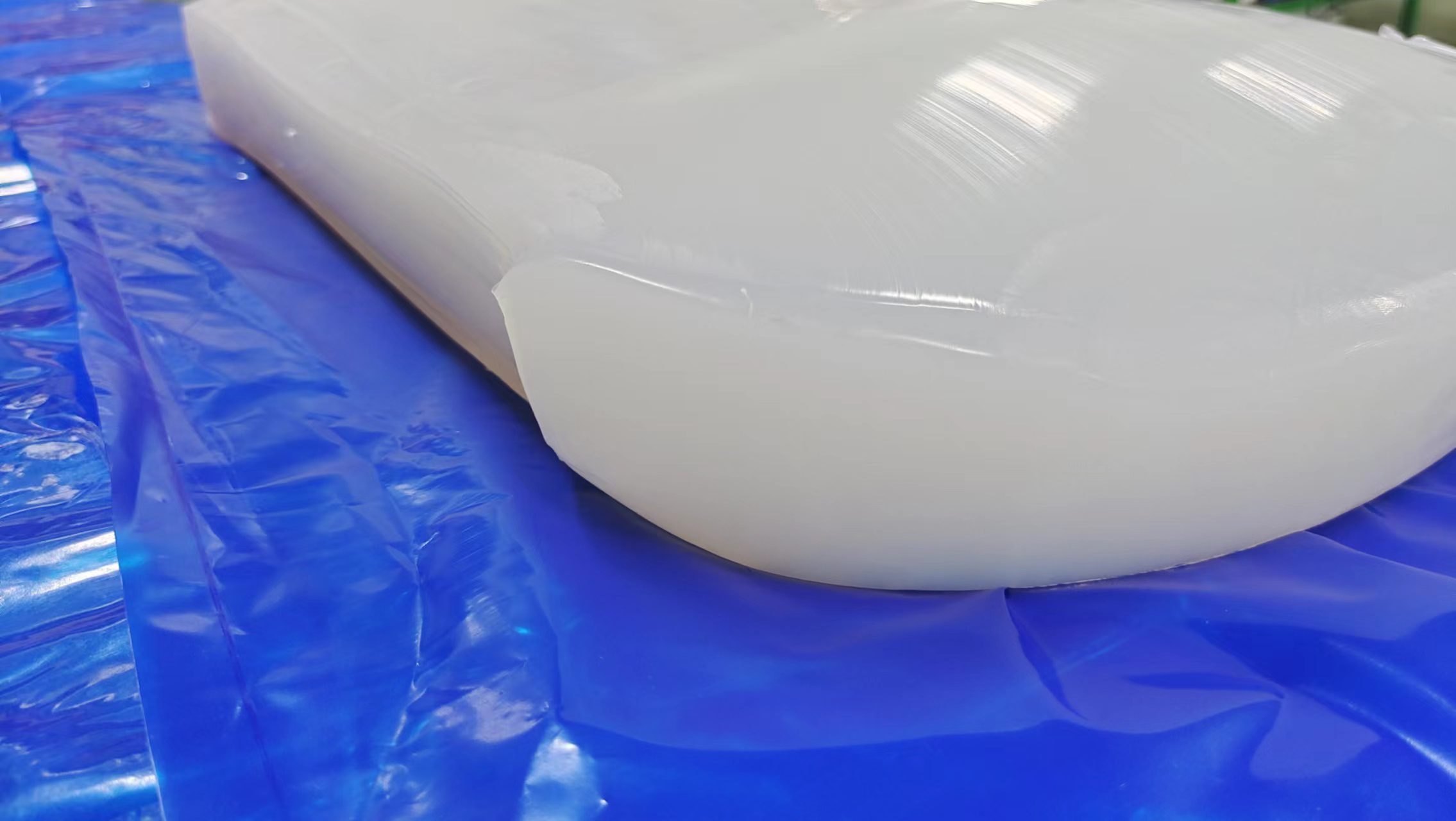
Los aditivos conductores afectan el rendimiento y la durabilidad de las mezclas de NBR/PVC al formar un camino eléctrico. Aunque son esenciales para la función antiestática, su tipo y concentración deben equilibrarse cuidadosamente. Las altas cargas de ciertos aditivos, especialmente negro de carbón, pueden comprometer a veces la resistencia mecánica o flexibilidad de la mezcla. Los avances en ciencia de materiales, como el uso de nanotubos de carbono, permiten niveles de carga más bajos para lograr alta conductividad, preservando así la durabilidad inherente y las propiedades físicas de la mezcla.
Cómo la dureza Shore A afecta la durabilidad y comodidad en suelos de NBR/PVC
La dureza Shore A es un parámetro crítico para suelos antiestáticos de NBR/PVC, definiendo su resistencia a la indentación y su sensación general al pisar. Esta medición, obtenida mediante prueba de durómetro, influye directamente en la durabilidad del suelo, resistencia al desgaste y comodidad del usuario. Elegir la dureza Shore A adecuada implica equilibrar la necesidad de una superficie resistente que pueda soportar cargas pesadas y abrasión, frente al deseo de una superficie cómoda para caminar o estar de pie. Un suelo más duro generalmente ofrece mayor resistencia a perforaciones e impactos, mientras que uno más blando proporciona mejor amortiguación y reduce la fatiga del personal.
La dureza Shore A ideal para suelos antiestáticos varía significativamente según el entorno industrial. Una planta de fabricación con maquinaria pesada y tráfico de carretillas requiere un material más duro para resistir la indentación y el desgaste. Un laboratorio o sala limpia donde el personal permanezca de pie durante largos períodos puede beneficiarse de una mezcla ligeramente más blanda para mejorar la comodidad.
| Área de aplicación | Rango típico de Shore A | Consideraciones clave |
|---|---|---|
| Industria pesada | 80-90A | Alta resistencia a la abrasión, impacto y productos químicos |
| Manufactura/Ensamblaje ligero | 70-80A | Equilibrio entre durabilidad y comodidad para el trabajador |
| Laboratorios/Salas limpias | 60-70A | Confort, resistencia química, control preciso de ESD |
| Centros de Datos | 65-75A | Disipación estática, generación mínima de partículas |
Cómo formular compuestos NBR/PVC para una conductividad consistente
Lograr propiedades antiestáticas consistentes y duraderas en suelos de NBR/PVC requiere técnicas meticulosas de formulación y una cuidadosa consideración de la compatibilidad de materiales. El proceso de formulación implica varios pasos para garantizar una dispersión uniforme de aditivos conductores dentro de la matriz polimérica.
- Selección de Materiales: Elegir grados adecuados de NBR y PVC, plastificantes, estabilizadores y rellenos conductores según las propiedades deseadas.
- Mezcla: Combinar todas las materias primas en un mezclador interno o en un molino de dos rodillos. Asegurar una dispersión completa de los aditivos conductores para crear una red conductora continua.
- Molienda/Calandrado: Procesar la mezcla para lograr un grosor uniforme y un acabado superficial de calidad.
- Curado/Vulcanización: Aplicar calor y presión para entrecruzar el NBR, mejorando sus propiedades mecánicas y resistencia química.
- Control de Calidad: Probar el producto terminado en resistividad eléctrica, dureza, resistencia a la tracción y otros parámetros críticos.
Esta formulación precisa asegura que los compuestos de NBR/PVC no solo cumplan con requisitos antiestáticos específicos, sino que también ofrezcan una excelente estabilidad térmica y resistencia química. Nuestra experiencia en Sane Zenchem consiste en proporcionar materias primas de caucho y compuestos de alta calidad, permitiendo una formulación precisa para requisitos antiestáticos específicos. Colaboramos estrechamente con nuestros socios para adaptar soluciones que optimicen tanto el rendimiento como la longevidad.
¿Qué estándares se aplican a los suelos antiestáticos y cómo mantener el cumplimiento?
La adhesión a estándares internacionales y las pruebas regulares son esenciales para garantizar la eficacia y seguridad continuas de los sistemas de pavimentos antiestáticos. Las áreas de protección electrostática dependen de un pavimento que cumpla consistentemente con los rangos especificados de resistividad superficial para prevenir daños a componentes electrónicos sensibles y garantizar la seguridad del personal. Normas como las de la Asociación de Descarga Electroestática proporcionan directrices para las pruebas y el mantenimiento.
| Organismo Estándar | Nombre del Estándar | Enfoque Clave | Rango típico de Resistividad (Ω) |
|---|---|---|---|
| ESDA | ANSI/ESD S20.20 | Protección de Partes Eléctricas y Electrónicas | 10^4 – 10^9 |
| IEC | IEC 61340-5-1 | Protección de dispositivos electrónicos contra la electrostática | 10^4 – 10^9 |
| ASTM | ASTM F150 | Resistencia eléctrica de pavimentos conductores resilientes | Varía según la aplicación |
En Sane Zenchem, colaboramos con socios para optimizar los procesos de producción, asegurando que sus compuestos NBR/PVC cumplan con estrictas normas de seguridad y ofrezcan propiedades antiestáticas duraderas. Este compromiso se extiende a apoyar protocolos de pruebas regulares, verificando que el pavimento mantenga sus propiedades disipativas o conductoras está lo largo de su vida útil. Este enfoque proactivo ayuda a prevenir fallos costosos en el equipo y garantiza un entorno de trabajo seguro.
Si su instalación enfrenta objetivos específicos de resistividad o requisitos de cumplimiento para pavimentos antiestáticos, vale la pena discutir las opciones de formulación de compuestos antes de finalizar la especificación de su material.
Listo para optimizar sus soluciones de pavimentos antiestáticos
El rendimiento inconsistente de los pavimentos antiestáticos y los problemas de cumplimiento no tienen que obstaculizar sus operaciones. Sane Zenchem (Shanghai) Co., Ltd ayuda a ingenieros de materiales y especialistas en compras a lograr un control confiable de ESD mediante soluciones integrales en materias primas y compuestos de caucho. Para discutir necesidades específicas de compuestos para pavimentos antiestáticos, contáctenos en yorichen@sanezen.com o +86 136 7164 1995.
Preguntas frecuentes
¿Con qué frecuencia se debe probar la conductividad de los pavimentos antiestáticos?
Los pavimentos antiestáticos deben ser probados regularmente, típicamente trimestral o semestralmente, para asegurar que sus propiedades conductoras permanezcan dentro de los requisitos especificados para pavimentos ESD. Los factores ambientales y el desgaste pueden afectar el rendimiento con el tiempo, por lo que es necesario un monitoreo constante para garantizar la seguridad y el cumplimiento. Esta verificación rutinaria ayuda a mantener un área de protección electrostática efectiva.
¿Se pueden personalizar los compuestos antiestáticos de NBR/PVC para resistencias químicas específicas?
Sí, los compuestos de NBR/PVC pueden ser adaptados para mejorar su resistencia química ajustando la proporción de la mezcla e incorporando aditivos específicos. Esta personalización es fundamental para entornos expuestos a solventes particulares o sustancias corrosivas, garantizando la durabilidad a largo plazo del suelo y su función protectora frente a diversas sustancias químicas industriales.
¿Cuáles son las principales ventajas del NBR/PVC sobre otros materiales para suelos antiestáticos?
El NBR/PVC ofrece un equilibrio superior de flexibilidad, resistencia a la abrasión y estabilidad química en comparación con muchos otros materiales antiestáticos. Sus propiedades inherentes, combinadas con aditivos conductores, proporcionan una excelente protección contra descargas electrostáticas y una vida útil más prolongada en aplicaciones industriales exigentes. Si está evaluando materiales para una nueva instalación o proyecto de reemplazo, contacte para discutir cómo las formulaciones de NBR/PVC podrían adaptarse a sus condiciones operativas específicas.
Si estás interesado, consulta estos artículos relacionados:
investigación sobre el progreso tecnológico en la aplicación de compuestos de caucho nitrilo hydrogenado en campos de sellado a altas temperaturas y altas presiones
Fabricante de relleno funcional de caucho, junta de lavadora, compuesto
Revolucionando las formulaciones de caucho: Relleno nano de alto rendimiento y alta barrera de gases para aplicaciones exigentes
 Spanish
  English
  Russian