
Los elastómeros de silicona se han convertido en la opción predeterminada para componentes de dispositivos portátiles que permanecen en contacto con la piel durante horas. La combinación de biocompatibilidad, estabilidad química y flexibilidad mecánica aborda los principales desafíos de ingeniería en este ámbito: los materiales no deben irritar el tejido, deben resistir la exposición al sudor y a los rayos UV, y deben adaptarse a las contornos del cuerpo sin perder integridad estructural. Para los fabricantes que adquieren estos materiales, entender cómo diferentes grados de silicona funcionan en condiciones reales determina si un producto dura seis meses o tres años.
Por qué la silicona funciona para contacto prolongado con la piel
El requisito principal para cualquier material portátil es que no provoque una respuesta inmunitaria ni cause irritación durante su uso continuo. La estructura molecular de la silicona, basada en una columna vertebral de silicio y oxígeno, es químicamente inerte. No reacciona con los tejidos humanos ni con los fluidos corporales, y no libera plastificantes u otros aditivos que puedan desencadenar respuestas alérgicas. Este es un modo de fallo común con el PVC y ciertos elastómeros termoplásticos, donde la migración de plastificantes con el tiempo genera problemas de sensibilidad en la piel que aparecen en reclamaciones de garantía meses después de la compra.
El acabado superficial alcanzable con moldeo por inyección de silicona también importa. Una superficie lisa y no porosa reduce la fricción contra la piel durante el movimiento, lo cual es importante para dispositivos usados durante actividad física. Los rastreadores de actividad y los monitores de glucosa en sangre, por ejemplo, experimentan micro-movimientos constantes contra la muñeca o el brazo. Las superficies rugosas o pegajosas generan irritación acumulativa que los usuarios notan en pocos días.
| Estándar | Descripción | Relevancia para dispositivos portátiles |
|---|---|---|
| ISO 10993-5 | Citotoxicidad | Asegura que el material no dañe las células |
| ISO 10993-10 | Irritación y Sensibilización | Confirma que no causa irritación cutánea ni reacciones alérgicas |
| ISO 10993-11 | Toxicidad Sistémica | Verifica que no tenga efectos nocivos en los sistemas del cuerpo |
Las formulaciones de silicona de grado médico se prueban según estos estándares ISO 10993. Incluso para dispositivos portátiles de consumo que no requieren clasificación como dispositivos médicos, especificar materiales que cumplan con estos criterios de biocompatibilidad reduce el riesgo. Los protocolos de prueba están bien establecidos, y los proveedores que pueden aportar documentación de estos estándares ya han realizado el trabajo de validar sus formulaciones para aplicaciones en contacto con la piel.


Rendimiento frente a sudor, UV y exposición ambiental
Los dispositivos portátiles operan en condiciones que aceleran la degradación del material. El sudor contiene sales, urea, ácido láctico y aceites sebáceos. La exposición a los rayos UV del sol provoca fotodegradación en muchos polímeros. Los ciclos de temperatura entre el calor corporal y las condiciones ambientales generan estrés mecánico. Una silicona que funciona bien en condiciones de laboratorio puede fallar en el campo si estos factores ambientales no se consideran en la selección del material.
La naturaleza hidrofóbica de la silicona proporciona resistencia básica a la absorción de humedad, pero la resistencia al sudor requiere específicamente estabilidad a la hidrólisis. Los enlaces silicio-oxígeno en la columna vertebral del polímero son resistentes a la escisión hidrolítica, a diferencia de los polímeros basados en éster que se descomponen en presencia de agua y ácidos. Para aplicaciones de alto rendimiento, he visto formulaciones que mantienen más del 95% de la resistencia a la tracción y la elongación en rotura originales después de 500 horas de exposición continua a soluciones de sudor simuladas. Ese nivel de retención se traduce directamente en la vida útil del producto y en las tasas de reclamaciones de garantía.
La estabilidad UV se logra mediante aditivos en la formulación en lugar del polímero base. La silicona estándar se amarillea y se vuelve frágil con una exposición prolongada al sol. Las variedades estabilizadas contra UV incorporan estabilizadores de luz amina hinderida o absorbentes UV que protegen la matriz del polímero. Para dispositivos portátiles de exterior como relojes deportivos o ciclocomputadoras, especificar silicona estabilizada contra UV no es opcional.
Selección de flexibilidad y dureza Shore A
La flexibilidad mecánica del silicona permite a los diseñadores crear componentes que se ajustan a los contornos del cuerpo mientras mantienen la integridad estructural. Líquido caucho de silicona (LSR) es particularmente adecuado para moldeo por inyección de geometrías complejas con paredes delgadas, que suelen requerir los dispositivos portátiles compactos. La baja viscosidad del LSR durante el procesamiento permite una reproducción precisa de los detalles del molde, incluyendo texturas finas y contrafuertes que serían difíciles de lograr con materiales de mayor viscosidad.
La dureza Shore A es la especificación principal para controlar la sensación táctil y el comportamiento mecánico. Las graduaciones más blandas (Shore A 20-40) proporcionan amortiguación y se conforman fácilmente a los contornos de la piel, lo que las hace adecuadas para carcasas de sensores que necesitan presión constante contra el tejido para lecturas precisas. Las graduaciones más firmes (Shore A 50-70) ofrecen mejor resistencia a la abrasión y soporte estructural, que requieren las correas de reloj y las carcasas de dispositivos. La compensación es sencilla: los materiales más blandos son más cómodos pero se desgastan más rápido; los materiales más duros duran más pero pueden crear puntos de presión durante un uso prolongado.
El conjunto de compresión es otra propiedad crítica para aplicaciones donde el silicona debe mantener un sello o presión constante con el tiempo. Un valor bajo de conjunto de compresión significa que el material vuelve a su forma original después de ser comprimido, lo cual es importante para carcasas de sensores y juntas. Un alto conjunto de compresión conduce a deformaciones permanentes y eventual fallo del sello o presión de contacto.
Requisitos regulatorios y selección de grado
La selección de materiales para dispositivos portátiles implica navegar por requisitos regulatorios que varían según el mercado y la clasificación del dispositivo. El silicona de grado médico cumple con las normas de biocompatibilidad ISO 10993 y, en algunos casos, con regulaciones de la FDA para materiales en contacto con alimentos (21 CFR 177.2600). Incluso para dispositivos de consumo que no requieren aprobación de dispositivos médicos, especificar materiales de grado médico proporciona un perfil de seguridad documentado que simplifica las presentaciones regulatorias y reduce la exposición a responsabilidades.
La diferencia entre silicona de grado médico y de grado industrial es principalmente sobre trazabilidad y documentación de pruebas en lugar de diferencias fundamentales en el material. Los proveedores de grado médico mantienen la trazabilidad de lotes, proporcionan certificados de análisis para cada lote y realizan pruebas según estándares de biocompatibilidad definidos. Los materiales de grado industrial pueden usar polímeros base similares pero carecen de la documentación que requieren las presentaciones regulatorias.
| Requisito | Descripción | Grado típico de silicona |
|---|---|---|
| Biocompatibilidad | No tóxico, no irritante | Silicona de grado médico |
| Durabilidad | Resistencia al desgaste, rotura, químicos | Silicona de alta resistencia a la rotura |
| Flexibilidad | Se ajusta a los contornos del cuerpo | Baja dureza Shore A del LSR |
| Resistencia a los rayos UV | Previene la degradación por la luz solar | Silicona estabilizada contra UV |
| Resistencia al Sudor | Mantiene propiedades con humedad | Silicona Resistente a la Hidrólisis |
Para los fabricantes que ingresan a nuevos mercados, comprender el panorama regulatorio desde temprano en el proceso de diseño evita reformulaciones costosas posteriormente. La marcado CE europeo, el registro en la FDA de EE. UU. y la aprobación de la NMPA en China tienen requisitos específicos de documentación de materiales. Comenzar con una silicona de grado médico que ya cuenta con los datos de prueba necesarios simplifica el camino hacia el cumplimiento.
Formulaciones antimicrobianas y transpirables para uso prolongado
Las aplicaciones emergentes de dispositivos portátiles están impulsando los requisitos de materiales más allá de la biocompatibilidad básica. Las formulaciones de silicona antimicrobiana incorporan iones de plata, óxido de zinc o biocidas orgánicos que inhiben el crecimiento bacteriano y fúngico en la superficie del material. Para dispositivos usados durante actividad física o en climas húmedos, la colonización microbiana genera olores y problemas de higiene que afectan la aceptación del usuario. Los aditivos antimicrobianos no eliminan la necesidad de limpiar, pero ralentizan el crecimiento microbiano entre limpiezas y extienden el período antes de que los usuarios perciban el dispositivo como “sucio”.
Las estructuras de silicona transpirables abordan la acumulación de humedad entre el dispositivo y la piel. Las formulaciones de silicona porosa o estructuras con espuma permiten la circulación del aire mientras mantienen las propiedades mecánicas necesarias para el funcionamiento del dispositivo. Los forros protésicos y los dispositivos médicos de uso continuo han utilizado silicona transpirable durante años; la tecnología ahora se está trasladando a los wearables de consumo a medida que los tiempos de uso se prolongan y las expectativas de comodidad del usuario aumentan.
Estas formulaciones avanzadas conllevan compromisos. Los aditivos antimicrobianos pueden afectar las propiedades mecánicas y pueden requerir pruebas regulatorias adicionales para documentar la seguridad. Las estructuras porosas reducen la resistencia a la tracción y pueden no ser adecuadas para aplicaciones que requieran alta durabilidad. Si su aplicación implica tiempos de uso prolongados o entornos de alta humedad, vale la pena discutir estas opciones de formulación con su proveedor de materiales antes de finalizar las especificaciones.
Vinculando las Especificaciones del Material con los Resultados del Producto
La relación entre la selección del grado de silicona y el rendimiento del producto es directa y medible. La resistencia a la tracción determina cuánto tiempo dura una correa de reloj antes de desarrollar grietas en puntos de concentración de estrés. La deformación por compresión determina si una carcasa de sensor mantiene una presión de contacto constante durante toda la vida útil del producto. La resistencia a la hidrólisis determina si la exposición al sudor causa degradación de propiedades que se manifiesta como fallos prematuros en el campo.
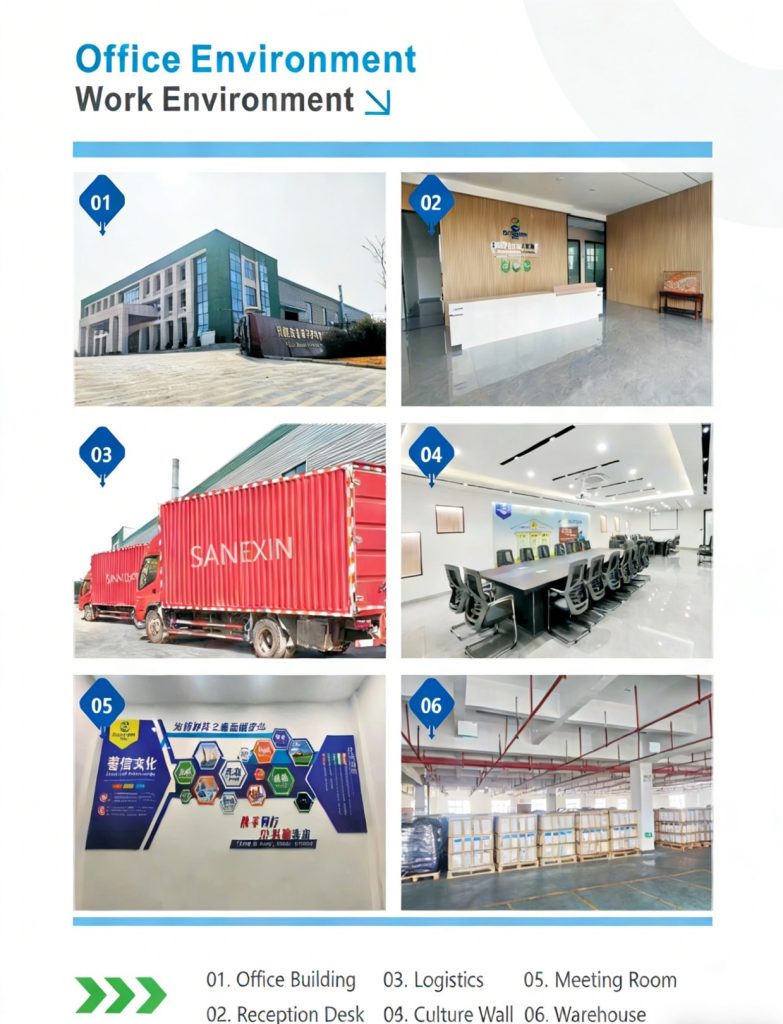
Sane Zenchem (Shanghai) Co., Ltd proporciona materias primas de caucho de silicona y soporte técnico para aplicaciones en dispositivos portátiles. Para recomendaciones específicas de formulación basadas en los requisitos de su aplicación, contacte a yorichen@sanezen.com o al +86 136 7164 1995.
Preguntas frecuentes
¿Todos los cauchos de silicona son adecuados para aplicaciones de contacto prolongado con la piel en wearables?
No. Solo los grados probados para biocompatibilidad bajo la norma ISO 10993 o estándares equivalentes son apropiados para contacto prolongado con la piel. Las formulaciones de silicona de grado médico pasan pruebas de citotoxicidad, irritación y sensibilización que confirman su seguridad para la interacción con tejidos humanos. La silicona de grado industrial puede usar polímeros base similares, pero carece de la documentación de pruebas y trazabilidad que requieren las aplicaciones de contacto con la piel.
¿Qué pruebas son cruciales para garantizar la resistencia al sudor de la silicona en wearables?
Las pruebas de inmersión en soluciones de sudor artificial (generalmente formuladas según ISO 105-E04) combinadas con envejecimiento acelerado proporcionan los datos más relevantes. Las métricas clave son la retención de la resistencia a la tracción, la elongación a la rotura y la dureza Shore A después de la exposición. Un material que pierde más del 10-15% de sus propiedades mecánicas originales después de 500 horas de exposición al sudor probablemente mostrará fallos prematuros en aplicaciones de alta actividad.
¿Se puede personalizar la silicona para requisitos específicos de flexibilidad en dispositivos portátiles?
Las formulaciones de silicona son altamente ajustables. La dureza Shore A puede especificarse desde muy suave (Shore A 10-20) hasta firme (Shore A 70-80) variando la densidad de reticulación y la carga de relleno. La longitud de la cadena polimérica afecta tanto a la flexibilidad como a la resistencia a la tracción. Para aplicaciones con requisitos táctiles específicos, los proveedores de materiales pueden ofrecer muestras en una gama de valores de dureza para pruebas por parte del usuario antes de finalizar la especificación. Si su diseño requiere una combinación inusual de propiedades, discutir la aplicación con su proveedor desde temprano en el proceso de desarrollo ayuda a identificar si las grades estándar funcionarán o si se necesita una formulación personalizada.
Si está interesado, puede leer los siguientes artículos:
popularización de la ciencia del caucho fórmula de caucho de polietileno clorado
agente antirreversión de caucho de alto rendimiento, mejorador de durabilidad de amortiguadores de neumáticos
Revolucionando las formulaciones de caucho: Relleno nano de alto rendimiento y alta barrera de gases para aplicaciones exigentes
resolviendo el desafío del desgaste, análisis de condiciones operativas del caucho nitrilo, solución de mezcla de alto rendimiento
Innovador en Tecnología de Compounding de Caucho: Empresa Líder en Soluciones de Caucho Especial de Alto Rendimiento
 Spanish
  English
  Russian