Региональные сети распределения определяют, работают ли цепочки поставок каучуковых химикатов на практике. Бизнесы, стремящиеся стать сертифицированными дистрибьюторами каучуковых химикатов, получают измеримые преимущества при партнерстве с поставщиками, предлагающими техническую глубину наряду с логистической инфраструктурой. Такое согласование позволяет региональным партнерам реагировать на местные спросовые модели без пробелов в запасах или волатильности сроков поставки, которые характерны для слабо координированных схем поставок. Цель здесь проста: строить партнерства по дистрибуции, которые функционируют как расширение производственных возможностей, а не как транзакционные передачи.
Почему региональные дистрибьюторы важнее централизованных операций для каучуковых химикатов
Региональные дистрибьюторы справляются с последним этапом сложности, который не может решить централизованная система. Для каучуковых химикатов, где требования к формуляции меняются в зависимости от применения, а окна доставки сжимаются в производственных циклах, хорошо организованная сеть распределения химикатов закрывает разрыв между производственным выпуском и потребностями на производственной площадке. Дистрибьюторы с налаженными местными связями раньше считывают рыночные сигналы. Они замечают изменения спроса до того, как паттерны заказов станут очевидными. Эта оперативность проявляется в сокращении сроков поставки и меньшем числе отсутствующих товаров, что важнее для клиентов, чем разница в цене в несколько процентов. Централизованные центры оптимизируют пропускную способность. Региональные партнеры оптимизируют соответствие.
Что делает программу партнерства по каучуковым химикатам эффективной
Программа партнерства, которая действительно работает, выходит за рамки заказов и схем возврата. Она создает совместную инфраструктуру: технические ресурсы, которые взаимодействуют в обе стороны, рыночную разведку, которая информирует о разработке продуктов, и логистическую координацию, которая рассматривает склад дистрибьютора как часть цепочки поставок, а не как конечную точку клиента. Для регионального дистрибьютора это означает доступ к формуляциям и данным по применению, которые иначе потребовали бы многолетней внутренней разработки. Структура программы важна, потому что она определяет, будет ли отношение со временем накапливаться или оставаться транзакционным.
Какие требования необходимо выполнить, чтобы стать сертифицированным дистрибьютором каучуковых химикатов?
Сертификация у Sane Zenchem (Shanghai) Co., Ltd требует наличия подтвержденного присутствия на региональном рынке, логистических возможностей для хранения и обработки химикатов, а также технической компетентности в области применения каучуков. Мы оцениваем существующие отношения с клиентами, инфраструктуру склада и способность команды предоставлять поддержку по применению. Важны соответствие нормативным требованиям и системы управления качеством. Планка установлена на необходимом уровне: достаточно высока, чтобы обеспечить выполнение обязательств партнерами, и достаточно практична, чтобы способные дистрибьюторы могли ее выполнить.
Как программа партнерства может принести пользу моему бизнесу по дистрибуции химикатов?
Партнерство открывает доступ к более широкому портфелю каучуковых химикатов, поддерживаемому формуляционной поддержкой и инженерией по применению. Это расширяет возможности для обслуживания существующих клиентов и создает точки входа в новые аккаунты, которые ранее были недоступны. Интеграция цепочки поставок снижает административную нагрузку, которая съедает маржу при дистрибуции специальных химикатов. Мы предоставляем маркетинговые ресурсы и обучение продажам, которые помогают партнерам донести техническую ценность, а не конкурировать только по цене. Польза накапливается: лучшие продукты, лучшая поддержка, лучшее позиционирование.
| Характеристика | Базовые отношения с поставщиками | Программа сертифицированного партнерства |
|---|---|---|
| Ассортимент продукции | Стандартные предложения | Расширенный, специализированный портфель |
| Техническая поддержка | Ограниченный, реактивный | Проактивные, преданные эксперты |
| Маркетинговая поддержка | Нет | Совместные кампании, инструменты продаж |
| Цепочка поставок | Транзакционный | Интегрированный, оптимизированный |
| Доступ к рынкам | Самостоятельный | Совместный, стратегический |
Как контроль качества формирует надежность распределения химикатов для резины
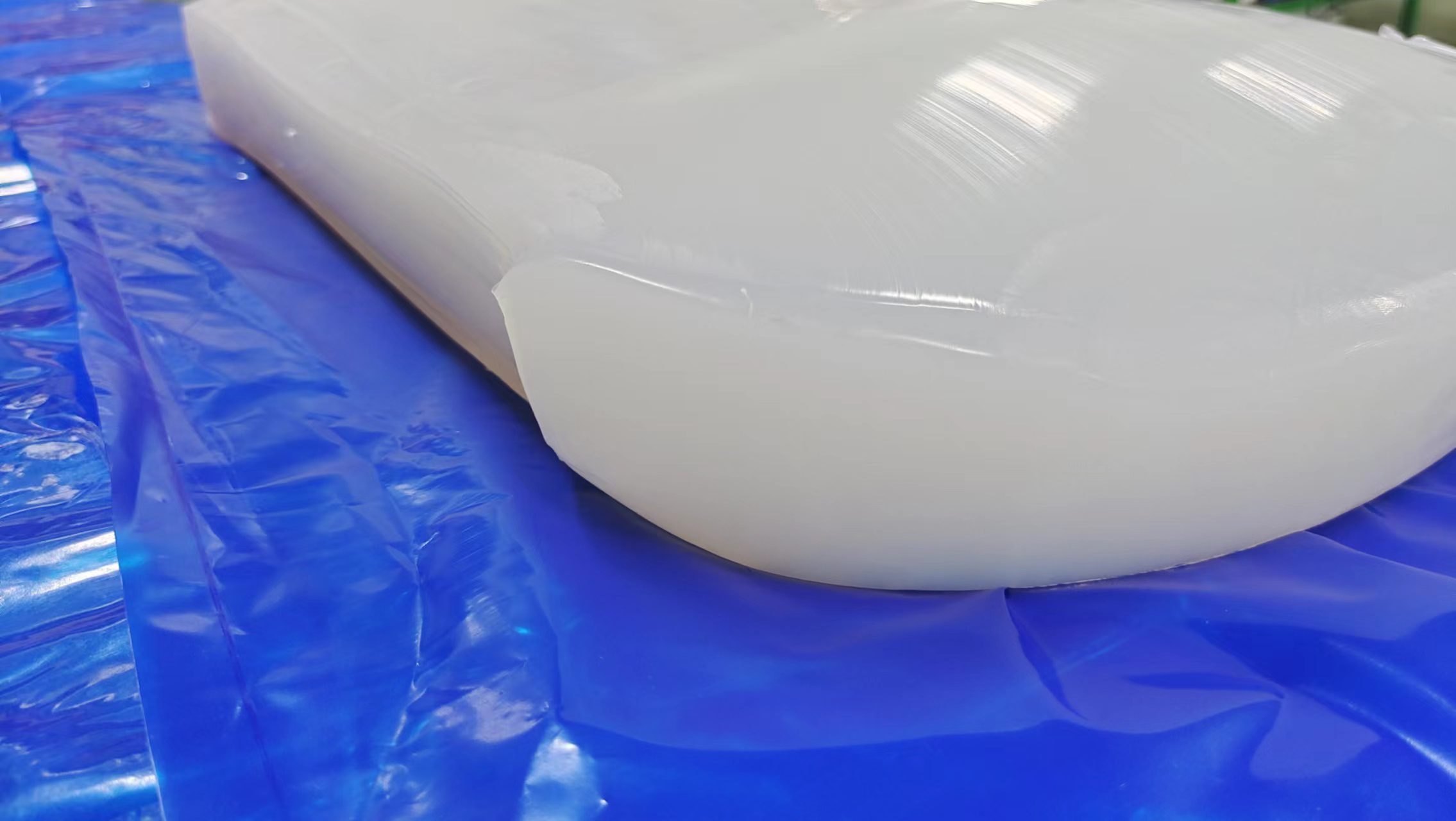
Целостность продукта определяет, смогут ли производители на downstream-уровне соблюдать допуски и соответствовать требованиям безопасности. Контроль качества в цепочках поставок химикатов для резины — это не просто пункт для соблюдения нормативов. Это основа, которая делает устойчивыми отношения в распределении. Каждый партию должен соответствовать спецификациям, начиная с закупки сырья и до выпуска конечного продукта. Методологии бережливого производства, разработанные в сотрудничестве с признанными отраслевыми партнерами, поддерживают стабильность при одновременном сокращении отходов. Эта дисциплина означает, что дистрибьюторы получают сырье для резины, которое соответствует заявленным характеристикам, что напрямую влияет на доверие клиентов и повторные заказы.
Как региональные дистрибьюторы используют рыночные возможности, которые упускают глобальные поставщики
Знание местного рынка в сочетании с возможностями глобальных поставок создает возможности, которых ни одна из сторон не могла бы достичь самостоятельно. Региональные дистрибьюторы через стратегическую химическую дистрибуцию заполняют пробел между инновациями в производстве и конкретными требованиями местных производителей. Такой локализованный подход позволяет разрабатывать индивидуальные решения, учитывающие региональные предпочтения в формулировках, нормативные требования и ограничения по доставке. Недавний проект иллюстрирует этот подход. Новый дистрибьютор в Юго-Восточной Азии столкнулся с нестабильностью цепочки поставок, что подрывало их сервис для местных производителей шин. Интеграция в нашу логистическую сеть и прямое техническое консультирование их клиентов сократили сроки доставки на 201ТП3Т и увеличили их долю на рынке за шесть месяцев. Сочетание глобальных ресурсов и региональной гибкости дало результаты, которых ни одна из сторон не могла бы достичь самостоятельно.
Если ваша ситуация связана с расширением на новые региональные рынки или улучшением надежности обслуживания существующих клиентов, стоит обсудить структуру партнерства до заключения соглашения с поставщиком.
Какую поддержку предлагает SaneZen своим региональным дистрибьюторам?
SaneZen предоставляет техническую помощь, обучение продуктам и совместные маркетинговые программы. Мы предоставляем рекомендации по применению, которые помогают партнерам решать конкретные задачи клиентов, а не просто реализовывать продукт. Логистические решения оптимизируют доставку по всей территории. Анализ рынка выявляет возможности роста, которые могут быть не очевидны для текущей клиентской базы дистрибьютора. Система поддержки предназначена для повышения возможностей партнеров со временем, а не для их зависимости.
Куда движется распределение химикатов для резины
Рынок резиновой промышленности продолжает меняться. Новые материалы, интеграция интеллектуального производства и требования к устойчивому развитию меняют потребности клиентов к их химическим поставщикам. Дистрибьюторы, чтобы оставаться конкурентоспособными, должны адаптироваться к этим изменениям, а не ждать, пока рынок заставит их действовать. Постоянные инвестиции в исследования и разработки в области передовых материалов и решений с низким уровнем выбросов углерода формируют наш портфель продукции в соответствии с тенденциями спроса. Совместные отношения с дистрибьюторами обеспечивают эффективную доставку этих инноваций конечным пользователям. Цель — совместно формировать будущее поставок химикатов для резины, двигаясь к более эффективным и экологически ответственным практикам.
Начните диалог о партнерстве в области дистрибуции
Найти надежных поставщиков химикатов для резины с технической экспертизой и логистическими возможностями для поддержки регионального роста сложнее, чем должно быть. Sane Zenchem (Шанхай) Co., Ltd помогает региональным партнерам достигать стабильных поставок и расширения рынка через свою сертифицированную программу дистрибьюторов.
Для обсуждения конкретных требований свяжитесь с нами по адресу yorichen@sanezen.com или по телефону +86 136 7164 1995.
Часто задаваемые вопросы
Каков типичный процесс внедрения для новых дистрибьюторов SaneZen?
Внедрение начинается с рассмотрения заявки и оценки регионального рынка, за которым следуют переговоры по контракту и всестороннее обучение продуктам и системам технической поддержки. Мы придаем большое значение ясной коммуникации на всех этапах процесса. Большинство новых партнеров завершают внедрение в течение 60-90 дней, в зависимости от сложности территории и готовности существующей инфраструктуры.
Существуют ли конкретные требования к региональному рынку для программы партнерства?
Требования варьируются в зависимости от территории, исходя из структуры местной резиновой промышленности, существующего охвата дистрибуции и логистической инфраструктуры. Мы оцениваем модели спроса в промышленности, нормативную среду и конкурентную обстановку при определении соответствия региона. Подход адаптируется к каждому рынку, а не применяется единый шаблон для разных условий.
Как SaneZen обеспечивает качество и стабильность продукции для своих партнеров?
Протоколы контроля качества реализуются на всем протяжении производственного процесса, от квалификации сырья до финального тестирования продукции. Сотрудничество с признанными отраслевыми партнерами поддерживает стандарты производства, соответствующие международным спецификациям. Каждая партия поставляется с документацией, которая позволяет дистрибьюторам проверить соответствие перед доставкой клиентам.
Если вас заинтересовали, ознакомьтесь с этими связанными статьями:
строительный химический мост, как добавки улучшают демпфирование вибрации резины, предотвращают реверсию натуральных резиновых смесей
ваш источник экономичных материалов, соответствующих RoHS, огнестойких материалов для резиновой промышленности
Добавка для резиновых составов, устойчивых к теплу и реверсии: средство для требовательных резиновых применений
Термостойкий сшивающий агент, революционизирующий технологию непневматических шин
механизм применения противоусталостных добавок в резиновой промышленности
 Russian
  English
  Spanish