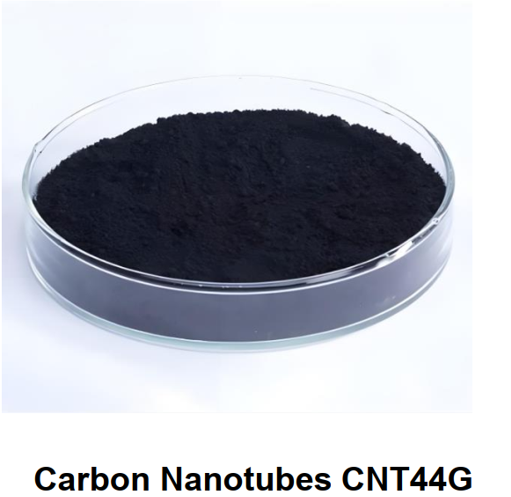
Углеродные нанотрубкис меняют представление производителей оригинального оборудования о том, чего можно ожидать от их резиновых смесей. Этот материал обеспечивает измеримые преимущества в износостойкости, сопротивлении качению и тепловом управлении — областях, где традиционные наполнители достигли пределов эффективности много лет назад. Для производителей, испытывающих давление на рынке по поводу различий в долговечности и эффективности, CNT предлагают путь вперед, который не может сравниться с обычным компаундированием.
Почему углеродные нанотрубки превосходят традиционные наполнители для шин
Углеродные нанотрубки — это цилиндрические наноразмерные структуры с механической прочностью и электропроводностью, которые значительно превосходят по характеристикам углеродный черный и диоксид кремния. При равномерном распределении в резиновых смесях CNT создают армирующую сеть, которая более равномерно распределяет напряжение по всей структуре шины. Этот эффект сети напрямую приводит к улучшению износостойкости, что увеличивает срок службы протектора при реальных условиях эксплуатации.
Теплопроводность CNT решает постоянную проблему в проектировании шин высокой производительности: накопление тепла во время длительной эксплуатации. Шины нагреваются за счет гистерезиса, когда резина деформируется и восстанавливается при каждом вращении. Традиционные смеси задерживают это тепло, ускоряя деградацию полимера и сокращая срок службы. Смеси с усилением из CNT более эффективно рассеивают тепло, поддерживая более низкие рабочие температуры и сохраняя целостность смеси на длительный срок.
Снижение сопротивления качению — это область, где преимущества в топливной эффективности становятся измеримыми. В контролируемых тестах шины с формулой на основе CNT показали снижение сопротивления качению на 151ТП3Т по сравнению с обычными смесями при использовании одинаковых нагрузок наполнителя. Для операторов автопарков и потребителей, отслеживающих расходы на топливо, это улучшение накапливается за весь срок службы шины. Повышение электропроводности также важно для статического разряда, особенно в случаях, когда накопление заряда создает проблемы с управляемостью или безопасностью.
Как качество дисперсии CNT определяет характеристики смеси
Потолок производительности любой смеси с усилением из CNT зависит от качества дисперсии. Плохо распределенные нанотрубки собираются в агрегаты, которые действуют как концентрационные точки напряжения, а не как армирующие элементы. Достижение равномерного распределения требует специальных методов смешивания и технологий диспергирования, учитывающих высокий аспектный коэффициент и поверхностную энергию углеродных нанотрубок.
Эффективное диспергирование начинается с обработки поверхности самих CNT. Процессы функционализации изменяют поверхность нанотрубок для улучшения совместимости с конкретными эластомерами. Выбор химии функционализации зависит от базового полимера — натуральной резины, синтетической резины и силиконовых смесей, каждая из которых требует различных подходов для достижения оптимального межфазного сцепления.
Последовательность смешивания и ввод shear-энергии во время компаундирования также определяют качество конечной дисперсии. Введение CNT слишком рано в цикл смешивания может привести к повторной агломерации до достижения окончательной вязкости смеси. Введение слишком поздно — они могут не получить достаточной shear-энергии для разрушения начальных кластеров. Оптимальный протокол варьируется в зависимости от формулы смеси, поэтому техническая консультация во время этапа интеграции помогает избежать дорогостоящих циклов проб и ошибок на производственном оборудовании.
Что должны учитывать OEM перед заключением договоров на поставку CNT
Надежность цепочки поставок становится критической, когда CNT переходят из лабораторных испытаний в массовое производство. Материал, который хорошо показывает себя в лабораторных партиях, но не может быть стабильно поставлен в больших объемах, создает больше проблем, чем решает. Производители оригинального оборудования должны изучить производственные мощности, системы контроля качества и репутацию поставщика по аналогичным объемам поставок.
Последовательность партий так же важна, как и пиковая производительность. Вариации в длине нанотрубок, уровнях чистоты или качестве обработки поверхности могут проявиться в процессе компаундирования и сказаться на характеристиках готовой шины. Поставщики с надежными протоколами контроля качества предоставляют сертификаты анализа с каждым отгрузкой, документируя параметры, влияющие на поведение смеси.
Масштабируемость производства заслуживает внимания, помимо текущих объемов. Если шины с усилением из CNT успешно выйдут на рынок, спрос увеличится. Поставщики, работающие на пределе своих мощностей, могут столкнуться с трудностями при выполнении расширенных заказов без ухудшения качества или сроков поставки. Понимание планов расширения и инвестиционной стратегии поставщика помогает OEM оценить долгосрочную перспективу партнерства.
Если ваши объемы производства требуют специальных договоров на поставку, раннее обсуждение гарантий распределения и резервных запасов поможет избежать сбоев при колебаниях спроса.
Как техническая поддержка ускоряет интеграцию CNT без нарушения производства
Интеграция нового материала в существующие производственные линии сопряжена с рисками. Настройки оборудования, оптимизированные для обычных смесей, могут не подходить для формул с усилением из CNT. Время смешивания, температурные режимы и параметры отверждения часто требуют корректировки. Техническая поддержка, выходящая за рамки поставки материалов, сокращает кривую обучения и защищает графики производства.
Эффективное техническое консультирование начинается с понимания существующих формул смесей и оборудования OEM. Интеграция CNT редко требует кардинальных изменений инфраструктуры, но требует целенаправленных модификаций. Техническая команда поставщика должна уметь определить, какие параметры требуют корректировки, и дать рекомендации исходя из опыта работы с аналогичными применениями.
Возможности совместной разработки позволяют OEM создавать индивидуальные формулы без полного риска и затрат на самостоятельную разработку. Совместные проекты могут исследовать конкретные показатели — будь то максимизация влажной сцепляемости для определенной серии шин или оптимизация теплопередачи для коммерческих приложений с высокой нагрузкой. Такой совместный подход использует научный опыт поставщика и знания OEM о применениях.
Поддержка по оптимизации процессов продолжается и после начальной интеграции. По мере накопления опыта команда производства выявляет возможности для дальнейшего совершенствования. Постоянный доступ к технической информации обеспечивает внедрение улучшений без необходимости начинать обучение заново.
Где соответствуют CNT-усиленные шины требованиям устойчивого развития
Долговечность шин напрямую влияет на экологический след. Шины, служащие дольше, уменьшают частоту замены, сокращая потребление сырья и объем отходов на конце срока службы. Улучшение топливной эффективности за счет снижения сопротивления качению усиливает эту выгоду на протяжении срока службы шины, уменьшая выбросы транспортных средств во время эксплуатации.
Соответствие нормативным требованиям к материалам требует документации, которую многие производители оригинального оборудования теперь рассматривают как базовое требование, а не как дополнительную опцию. Паспорт безопасности материалов и нормативные сертификаты должны быть доступны для любого продукта CNT, входящего в цепочки поставок автотранспорта. Поставщики, не способные предоставить такую документацию, создают риск несоответствия, который распространяется не только на сам материал, но и на готовую шину и транспортные средства, которые она оснащает.
Аргументы в пользу устойчивого развития CNT усиливаются по мере перехода автомобильной промышленности к электромобилям. Электромобили предъявляют к шинам иные требования, чем автомобили с внутренним сгоранием — более высокие крутящие моменты, больший вес из-за аккумуляторных блоков и повышенная чувствительность к сопротивлению качению, так как оно напрямую влияет на запас хода. Композиты с CNT отвечают этим требованиям, одновременно поддерживая более широкие экологические цели, стимулирующие внедрение электромобилей.
| Характеристика | Традиционные наполнители | Композиты с CNT |
|---|---|---|
| Износостойкость | Умеренный | Высокий |
| Сопротивление качению | Стандарт | Низкий |
| Теплопроводность | Низкий | Высокий |
| Топливная эффективность | Стандарт | Улучшенная |
| Долговечность | Стандарт | Продленная |
Какие измеримые преимущества могут ожидать OEM от компаундов шин с CNT
Квантование улучшений в производительности требует испытаний в условиях, отражающих реальное использование. Лабораторные измерения дают базовые сравнения, но полная проверка на месте подтверждает, соответствуют ли эти преимущества реальным результатам. Снижение сопротивления качению на 15%, зафиксированное в контролируемых тестах, является отправной точкой; реальные результаты зависят от состава компаунда, конструкции шины и условий эксплуатации.
Улучшение сцепления на мокрой дороге и характеристики управления на сухой поверхности оба выигрывают за счет армирующей сети, которую создают CNT внутри резиновой матрицы. Повышенное соотношение жесткости к гистерезису позволяет инженерам по составам достигать уровней сцепления, которые обычно требуют жертвовать сопротивлением качению. Это снижение компромисса открывает новые возможности для формулировок, недоступные при использовании обычных наполнителей.
Улучшения в теплоотводе выходят за рамки лабораторных измерений теплопроводности. В условиях высокой скорости или высокой нагрузки способность быстрее рассеивать тепло позволяет компаунду работать в оптимальном температурном диапазоне. Эта тепловая стабильность сохраняет механические свойства, определяющие управляемость и износостойкость шины на протяжении всего срока службы.
Почему важен опыт в области материаловедения при выборе поставщика CNT
Технология углеродных нанотрубок продолжает развиваться. Поставщики с активными программами НИОКР постоянно улучшают свои продукты — лучшее распределение, усовершенствованные обработки поверхности и формулы, оптимизированные для конкретных систем эластомеров. Сотрудничество с поставщиком, приверженным развитию материалов, обеспечивает доступ к этим улучшениям по мере их появления.
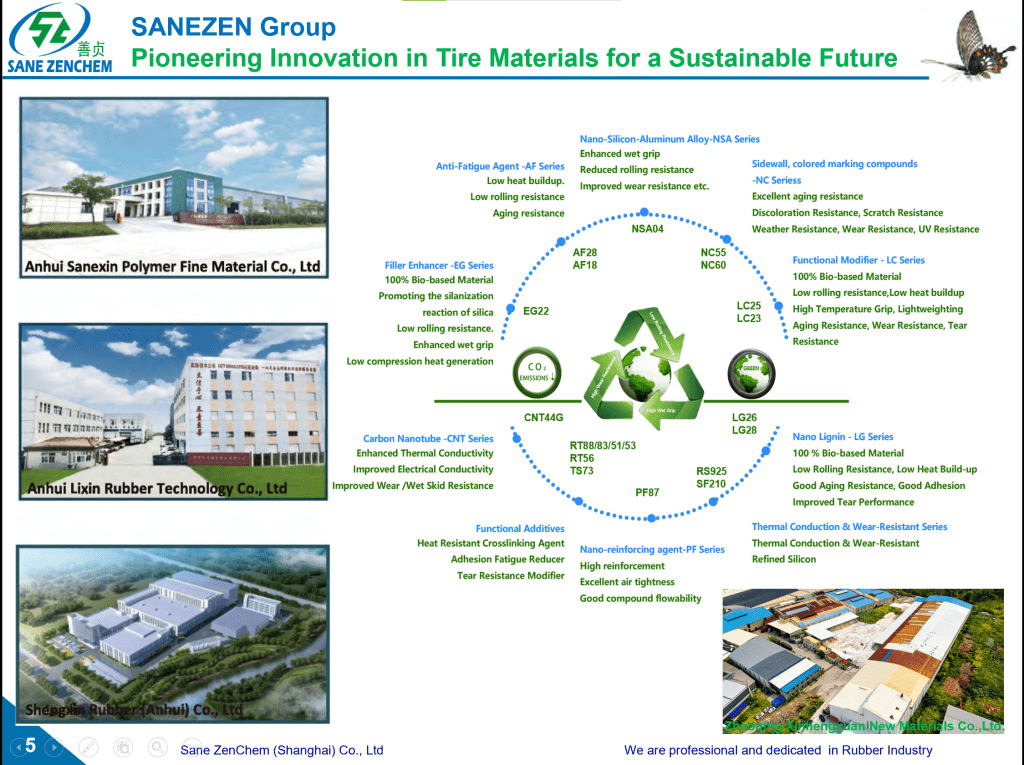
Опыт работы с каучуковыми сырьевыми материалами дает контекст, которого могут не иметь чистые производители CNT. Понимание взаимодействия нанотрубок со всеми компонентами компаунда — ускорителями, антиоксидантами, вспомогательными веществами — требует знания химии каучука, выходящего за рамки самого наноматериала. Эта более широкая экспертиза обеспечивает более эффективную техническую поддержку и более практичные рекомендации по формулировкам.
Сотрудничество с устоявшимися отраслевыми партнерами подтверждает возможности поставщика и предоставляет ориентиры для OEM, проводящих проверку. Поставщики, работающие с признанными именами в шинной индустрии, продемонстрировали свою способность соответствовать стандартам качества и надежности, требуемым в производственной среде.
Для обсуждения конкретных требований к объему и технической поддержки интеграции свяжитесь с yorichen@sanezen.com или позвоните по номеру +86 136 7164 1995.
Часто задаваемые вопросы о углеродных нанотрубках в производстве шин
Какого реально снижения сопротивления качению можно ожидать от компаундов с CNT?
Контрольные испытания показали снижение сопротивления качению 15% по сравнению с традиционными формулами при одинаковой нагрузке наполнителя. Реальные результаты зависят от формулы компаунда, конструкции шины и конкретных целей по характеристикам. Улучшение обусловлено меньшими характеристиками гистерезиса у компаундов с усилением CNT, которые теряют меньше энергии в виде тепла во время каждого цикла деформации.
Какие изменения в нашем оборудовании для смешивания и протоколах потребуются для интеграции CNT?
Большинство OEM могут интегрировать CNT без значительных модификаций оборудования. Основные изменения касаются последовательности смешивания, подачи энергии сдвига и управления температурой во время компаундирования. Техническая консультация в процессе интеграции помогает определить конкретные параметры, необходимые для вашего оборудования и формул, минимизируя циклы проб и ошибок на производственных линиях.
Как компаунды с CNT поддерживают наши требования к отчетности по устойчивому развитию?
Компауны с CNT способствуют показателям устойчивого развития за счет увеличения срока службы шины и повышения топливной эффективности. Более долговечные шины уменьшают частоту замены и объем отходов в конце срока службы. Меньшее сопротивление качению снижает расход топлива и связанные с этим выбросы на протяжении эксплуатации шины. Полная документация по безопасности материалов и сертификаты соответствия нормативам поддерживают требования отчетности, с которыми сталкиваются OEM от клиентов и регулирующих органов. Для получения конкретных документов свяжитесь, чтобы обсудить доступные сертификаты и технические листы для вашего применения.
Если вас заинтересовало, вы можете ознакомиться со следующими статьями:
Добавка для резиновых составов, устойчивых к теплу и реверсии: средство для требовательных резиновых применений
решение проблем плохой износостойкости, тепловых опасностей, резиновой промышленности, систематическое использование высокопроизводительного кремнеземного микро порошка, руководство по применению
 Russian
  English
  Spanish