Требования к автомобильной уплотнительной резине предъявляют необходимость использования материалов, способных выдерживать экстремальные условия, обеспечивая долгосрочную герметичность и безопасность пассажиров. Смеси NBR/PVC представляют собой важное решение, предлагая уникальное сочетание свойств, адаптированных для этих строгих условий эксплуатации. Эти специализированные эластомерные соединения обеспечивают превосходную огнестойкость и устойчивость к маслам, что является обязательным требованием для компонентов, работающих вблизи моторных отсеков или в зонах, подверженных воздействию различных жидкостей. Понимание их синергического состава является ключом к оптимизации их характеристик в современных конструкциях транспортных средств.
Понимание состава и синергии смеси NBR/PVC
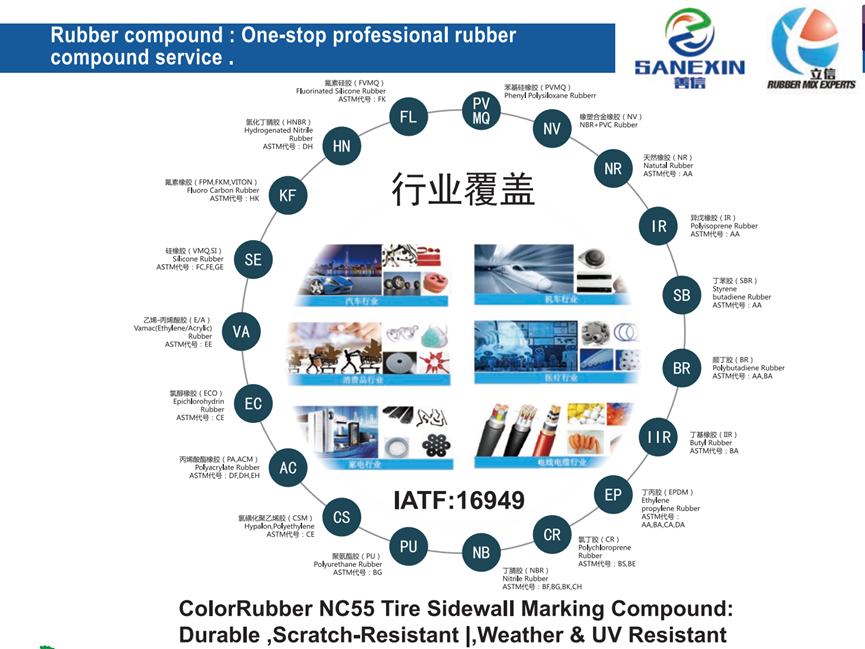
Смеси NBR/PVC — это сложные полимерные комбинации, использующие преимущества нитрильного каучука (NBR) и поливинилхлорида (PVC). NBR, синтетический каучук, славится своей отличной стойкостью к маслам, топливам и другим нефтепродуктам. Эта характеристика делает его незаменимым для применения в условиях контакта с автомобильными жидкостями. Однако у NBR есть ограничения по стойкости к озону и погодным условиям, что важно для внешних автомобильных компонентов.
Поливинилхлорид, термопластичный полимер, значительно влияет на общие характеристики смеси. PVC обеспечивает исключительную стойкость к озону, погодным условиям и огню, повышая долговечность конечного материала при воздействии окружающей среды. При смешивании NBR и PVC образуется полусовместимая система, где PVC выступает в роли армирующего наполнителя и улучшает технологические свойства NBR. Такое синергетическое взаимодействие дает материал, который не только сохраняет маслостойкость NBR, но и приобретает превосходные экологические и огнеупорные свойства PVC. Важным аспектом является тщательный подбор соотношения компонентов и добавок для достижения оптимального баланса свойств для конкретных автомобильных уплотнений.
Достижение двойной стойкости с помощью смесей NBR/PVC
Способность смесей NBR/PVC обеспечивать одновременно огнестойкость и стойкость к маслам — основная причина их использования в автомобильных уплотнительных резинах. Эта двойная функция отвечает важным требованиям безопасности и эксплуатационной надежности. Компонент PVC по умолчанию способствует огнестойкости, а при необходимости его можно дополнительно усилить специальными огнеупорными добавками при производстве. Эти добавки работают, высвобождая негорючие газы или образуя слой шлака, который изолирует материал от тепла, замедляя или предотвращая воспламенение.
Маслостойкость, в основном обусловленная компонентом NBR, обеспечивает сохранение физических свойств и герметичности уплотнений даже после длительного контакта с моторными маслами, трансмиссионными жидкостями и бензином. Это предотвращает деградацию материала, набухание или затвердевание, что может привести к утечкам или преждевременному выходу из строя. Точная формулировка этих смесей позволяет инженерам соответствовать строгим отраслевым стандартам по пожарной безопасности и химической совместимости.
Как измеряется огнестойкость в уплотнительных резинах?
Огнестойкость в уплотнительных резинах обычно измеряется с помощью стандартизированных тестов, моделирующих условия воздействия огня. Распространенные методы включают горизонтальные и вертикальные испытания на горение, такие как стандарты UL 94 или различные стандарты OEM для автомобильной промышленности. Эти тесты оценивают время воспламенения, скорость горения и самозатухание материала, предоставляя важные данные о его пожарной безопасности.
Почему маслостойкость важна для уплотнений вблизи моторных отсеков?
Маслостойкость критична для уплотнений вблизи моторных отсеков, поскольку эти зоны постоянно подвергаются воздействию различных автомобильных жидкостей, включая моторное масло, смазки и пары топлива. Материалы, не обладающие достаточной маслостойкостью, быстро деградируют, набухают или затвердевают. Такая деградация нарушает герметичность, может привести к утечкам, снижению уровня шумоподавления и вибрации, а также сокращает срок службы компонента.
Показатели эффективности для автомобильных NBR/PVC уплотнений
Автомобильные уплотнения работают под постоянным воздействием окружающей среды и механических нагрузок. Материалы должны сохранять свои свойства при широких колебаниях температуры, под воздействием ультрафиолетового излучения, озона и при многократных механических циклах. Смеси NBR/PVC разработаны для соответствия этим строгим стандартам OEM, предлагая сбалансированный профиль характеристик. Основные показатели эффективности включают прочность на разрыв, которая измеряет сопротивление материала разрыву при растяжении, и твердость по Шору, указывающую на сопротивление материалу при вдавливании. Параметр «усадка при сжатии» также важен, он показывает способность материала возвращаться к исходной толщине после длительного сжатия, что напрямую влияет на эффективность герметизации со временем.
Я вспоминаю проект, в рамках которого нам нужно было разработать смесь NBR/PVC для конкретного применения в автомобильных дверных уплотнениях. Первоначальная формула показала отличную огнестойкость, но имела более высокий допустимый показатель усадки при повышенных температурах, что означало бы потерю герметизирующей силы со временем. Наша команда скорректировала содержание пластификатора и оптимизировала систему вулканизации, что привело к улучшению показателя усадки на 30% при сохранении требуемой огнестойкости и маслостойкости. Эта доработка обеспечила долгосрочную надежность, необходимую автопроизводителю.
Если ваша задача предполагает аналогичные компромиссы по характеристикам, рекомендуется обсудить конкретные требования к усадке при сжатии и температуре перед окончательным выбором формулы.
| Недвижимость | Типичная смесь NBR/PVC | EPDM (сравнение) |
|---|---|---|
| Масло |
Если вас заинтересовали, ознакомьтесь с этими связанными статьями:
выбор правильного производителя безгалогенных огнезащитных материалов, который переопределяет резиновые компаунды с огнезащитными свойствами для железнодорожных применений
фенилсилicone резина PVMQ, китайская инновация, высокопроизводительные герметичные материалы
 Russian
  English
  Spanish