Выбор правильной стойкости к маслам силиконовая резина класс определяет, прослужат ли уплотнения в требовательных промышленных условиях годы или выйдут из строя в течение месяцев. Инженеры и разработчики продукции сталкиваются с постоянной задачей: подобрать материалы, свойства которых соответствуют конкретным условиям эксплуатации, где постоянное воздействие различных масел и жидкостей является нормой. Точное понимание того, как разные формулы силикона ведут себя при таких условиях, предотвращает преждевременный отказ уплотнений и поддерживает эффективность системы.
Почему силиконовая резина устойчива к разложению масла
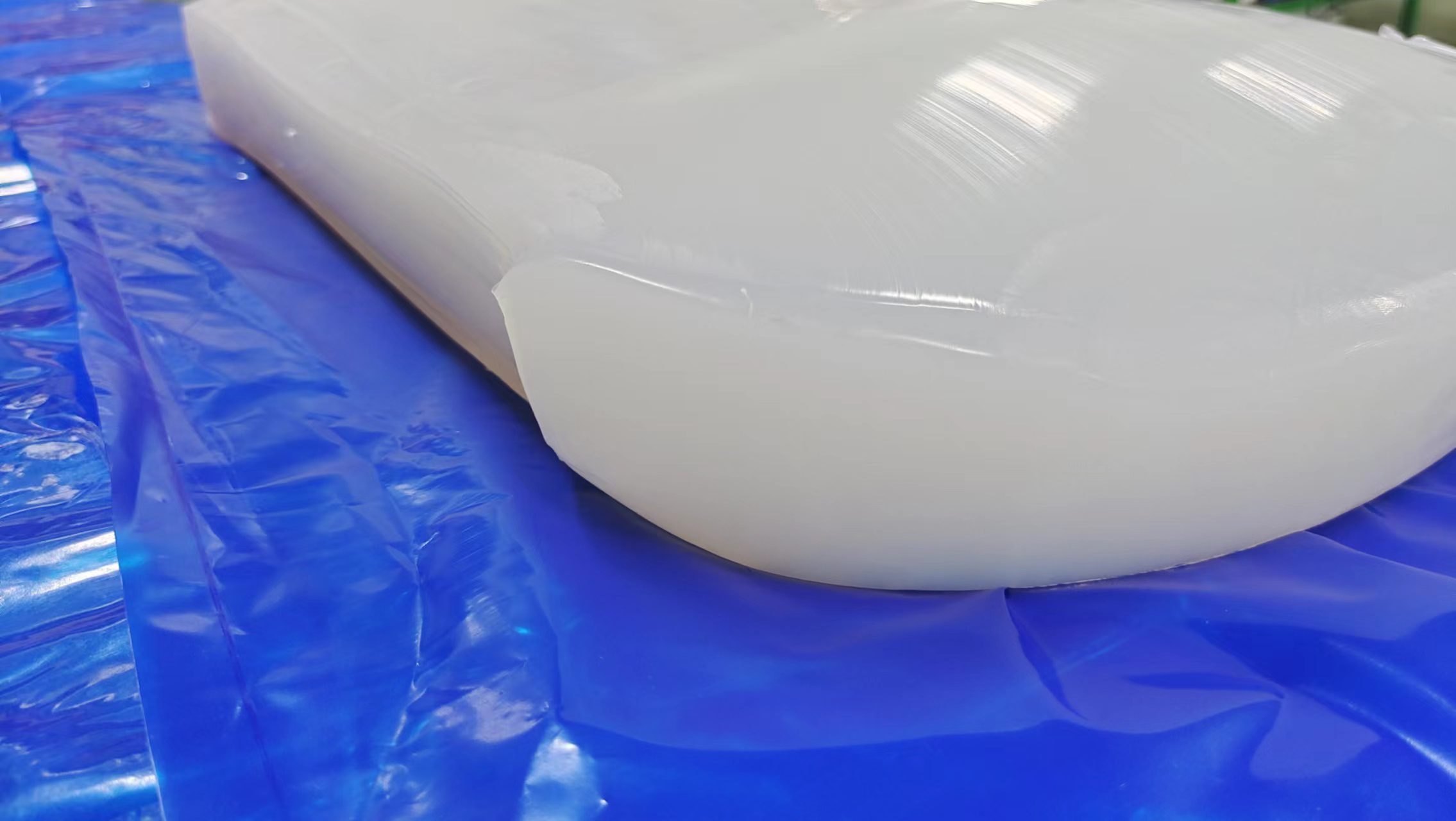
Способность силиконовой резины сопротивляться разложению масла обусловлена её уникальной молекулярной структурой, в первую очередь основой из кремний-кислородных связей. Истинная стойкость к маслам не является свойством всех типов силикона по умолчанию. Это тщательно разработанное свойство. Конкретная формула, включая тип силиконового полимера, агенты сшивки и армирующие наполнители, определяет её химическую стойкость и совместимость с жидкостями.
Различные добавки улучшают сопротивляемость определённым типам масел. Моторные масла, трансмиссионные жидкости и гидравлические масла часто содержат различные химические соединения, которые атакуют менее устойчивые эластомеры. Диапазон температур также играет важную роль. Повышенные температуры ускоряют химические реакции между эластомером и жидкостью, что приводит к деградации материала. Соблюдение стандартов ASTM для испытаний материалов служит ориентиром для оценки этих свойств.
Что делает силиконовую резину устойчивой к маслам?
Маслостойкая силиконовая резина достигает своих свойств за счёт специальных модификаций базового силиконового полимера, часто включающих фторирование или добавление специальных добавок. Эти модификации создают более стабильную полимерную сеть, которая сопротивляется набуханию, затвердеванию или размягчению при воздействии различных масел и химикатов. Плотность сшивки и тип наполнителя также влияют на способность материала сохранять свои физические свойства при погружении в жидкость.
| Тип масла | Стандартный силикон | Фторсиликон (FVMQ) | Силикон с высоким содержанием фенилов |
|---|---|---|---|
| Моторное масло | Удовлетворительная | Отличный | Хороший |
| Трансмиссионная жидкость | Удовлетворительная | Отличный | Хороший |
| Гидравлическая жидкость | Удовлетворительная | Отличный | Хороший |
| Ароматическое топливо | Плохой | Хороший | Удовлетворительная |
| Минеральное масло | Хороший | Отличный | Хороший |
| Силиконовое масло | Отличный | Отличный | Отличный |
Механические и тепловые свойства, определяющие работу уплотнения
Помимо химической стойкости, механические и тепловые свойства классов силиконовой резины имеют решающее значение для работы уплотнений. Прочность на растяжение, максимальное напряжение, которое материал может выдержать до разрыва, показывает его прочность при растяжении. Удлинение, процентное увеличение длины перед разрывом, отражает его гибкость и способность растягиваться без постоянных деформаций.
Измерение прочности на разрыв показывает сопротивляемость росту разреза или зарубки. Эта характеристика жизненно важна для уплотнений, подвергающихся абразивным силам или монтажным нагрузкам. Твердость, обычно измеряемая дюрометром, определяет сопротивление материала вдавливанию, влияя на эффективность уплотнения при сжатии. Установка после сжатия — это постоянная деформация, остающаяся после удаления сжимающей силы. Низкая установка после сжатия важна для долгосрочной целостности уплотнения, особенно в статических приложениях.
Какой класс силиконовой резины лучше всего подходит для высокотемпературных масел?
Для высокотемпературных масел обычно лучше всего подходят фторсиликоновые (FVMQ) марки. Их уникальная химическая структура обеспечивает отличную стойкость к широкому спектру топлива, масел и растворителей, в сочетании с широкой температурной стабильностью силиконов. Высокопланельный силикон — еще один сильный кандидат, предлагающий повышенную гибкость при низких температурах и устойчивость к радиации, а также хорошую стойкость к маслам при повышенных температурах.
| Недвижимость | Общего назначения силикон | Фторсиликон (FVMQ) | Силикон с высоким содержанием фенилов |
|---|---|---|---|
| Диапазон температур | -50°C до +200°C | -60°C до +200°C | -100°C до +250°C |
| Устойчивость к воздействию масла | Удовлетворительная | Отличный | Хороший |
| Прочность на разрыв | 5-10 МПа | 6-12 МПа | 5-10 МПа |
| Удлинение при разрыве | 200-500% | 150-350% | 200-400% |
| Комплект для сжатия | Хороший | Отличный | Хороший |
| Твердость (по Шору A) | 30-80 | 40-80 | 30-70 |
Как подобрать классы силикона для вашей рабочей среды
Процесс выбора материала включает тщательную оценку требований применения в соответствии с возможностями материала. Это включает понимание рабочей среды, типов жидкостей, экстремальных температур, давления и динамических сил. Для автомобильных уплотнений, аэрокосмических уплотнений или промышленных прокладок последствия отказа материала могут быть серьезными. Строгий подбор является обязательным.
Как стандартные, так и индивидуальные формулы могут соответствовать точным спецификациям. Такой подход обеспечивает оптимальную работу и учитывает долгосрочные затраты, продлевая срок службы и снижая расходы на обслуживание. Если ваше применение связано с агрессивными жидкостями или циклическими температурами за пределами стандартных диапазонов, стоит обсудить возможность индивидуальной формулировки перед выбором стандартной марки.
Как я могу протестировать образцы силиконовой резины для моего конкретного дизайна уплотнения?
Для тестирования образцов силиконовой резины для вашего конкретного дизайна уплотнения сначала определите точные условия эксплуатации, включая типы жидкостей, температуры и давления. Получите образцы соответствующих марок и проведите погружные испытания согласно ASTM D471, измеряя изменения объема, твердости и механических свойств. Выполните функциональные тесты, интегрируя образцы в прототипы уплотнений и подвергая их моделируемым рабочим циклам, наблюдая за утечками, износом или деградацией.
Что показывает тестирование образцов перед полномасштабным производством
Получение и тщательная оценка образцов материала — практический шаг перед полномасштабной реализацией. Набор образцов позволяет инженерам проводить тестирование материала в условиях конкретного применения, подтверждая теоретические данные. Этот процесс включает изучение технических характеристик, которые предоставляют подробные сведения о механических свойствах, химической стойкости и тепловых характеристиках. Сравнение различных марок помогает определить наиболее подходящий материал. Надежный выбор поставщика очень важен, поскольку их техническая поддержка и способность обеспечивать стабильное качество материала напрямую влияют на успех проекта.
Я помню проект, в рамках которого мы разрабатывали новое решение для уплотнения для высокопроизводительного промышленного насоса, работающего с агрессивной гидравлической жидкостью при повышенных температурах. Наш первоначальный выбор материала — стандартный силикон — показал неприемлемое набухание и значительное увеличение установки после 500 часов испытаний прототипа. Мы запросили набор образцов у Sane Zenchem, специально включающий фторсиликоновые (FVMQ) марки.
После проведения погружных испытаний и функциональных тестов новых образцов мы заметили значительное улучшение: марка FVMQ показала менее 5% набухания объема и установку ниже 15% после 1000 часов, что соответствует строгим требованиям по долговечности и надежности. Это прямое сравнение позволило нам уверенно выбрать передовые фторсиликоновые материалы, предотвращая возможные полевые отказы.
Где передовые силиконовые соединения увеличивают срок службы уплотнения
Область технологий силиконовой резины постоянно развивается, движимая спросом на более высокие показатели производительности и большую долговечность в все более суровых условиях. Сотрудничество с специализированными производителями обеспечивает доступ к инновационным НИОКР и бережливым производственным процессам, что приводит к созданию превосходных, применительно-специфичных герметичных решений. Такой совместный подход гарантирует, что материалы соответствуют не только текущим нормативным стандартам, но и предвосхищают будущие требования. Оптимизация конструкции уплотнений с использованием передовых силиконовых компаундов в конечном итоге способствует повышению долговечности и общей экономической эффективности за счет снижения времени простоя и частоты замены.
Часто задаваемые вопросы о маслостойкой силиконовой резине
Какое типичное время выполнения заказа для получения набора образцов силиконовой резины?
Сроки изготовления наборов образцов силиконовой резины могут варьироваться в зависимости от поставщика и требований к индивидуализации, обычно составляют от 3 до 7 рабочих дней для стандартных марок. Для индивидуальных формул или конкретных испытаний материалов сроки могут увеличиваться до 2-4 недель, что влияет на ваш график выбора материала.
Можно ли использовать маслостойкую силиконовую резину в динамических уплотнительных применениях?
Некоторые марки маслостойкой силиконовой резины разработаны для динамических уплотнений, демонстрируя отличную гибкость и сопротивление усадке при сжатии. Важна тщательная оценка механических свойств и совместимости с жидкостями, чтобы обеспечить оптимальную долговечность и надежность при постоянных движениях.
Существуют ли отраслевые стандарты для испытаний маслостойкости силиконовой резины?
Отраслевые стандарты, такие как ASTM D471 (Стандартный метод испытаний свойств резины — влияние жидкостей), широко используются для оценки маслостойкости силиконовой резины. Эти тесты измеряют изменения объема, твердости, прочности на разрыв и удлинения после погружения в различные жидкости, предоставляя важные данные о характеристиках и требованиях к производительности.
Как соотносятся стоимость маслостойкой силиконовой резины с другими эластомерами?
Маслостойкая силиконовая резина обычно имеет более высокую начальную стоимость по сравнению с товарными эластомерами, такими как NBR или EPDM. Ее превосходный температурный диапазон, химическая стойкость и долговечность в суровых условиях часто приводят к снижению общих затрат за весь жизненный цикл, делая ее экономически выгодным решением для критичных уплотнительных применений. Чтобы запросить комплект сравнений марок и обсудить ваши конкретные требования к уплотнениям, свяжитесь с Sane Zenchem по адресу yorichen@sanezen.com или по телефону +86 136 7164 1995.
Если вас заинтересовали, ознакомьтесь с этими связанными статьями:
функциональные добавки
огнестойкая резиновая промышленность, высокопроизводительные галогенсодержащие огнестойкие материалы, разработка требовательных резиновых применений
 Russian
  English
  Spanish