Уплотнительные компоненты внутри стека водородной топливной ячейки сталкиваются с условиями, которым большинство промышленных эластомеров не могут долго противостоять. Водород проникает агрессивно, температуры работы колеблются от окружающей среды до значительно выше 80°C во время циклов нагрузки, а в качестве побочных продуктов электролитической реакции образуются следовые кислоты. Силиконовая резина для водородных топливных элементов стала практическим решением этих проблем, поскольку её молекулярная структура сопротивляется специфическим видам отказов, которые сокращают срок службы уплотнений в системах PEM и SOFC. Два свойства важнее всех остальных при оценке силикона для этого применения: химическая инертность и восстановление после сжатия. Ошибка в любом из них приведет к утечке водорода, снижению эффективности стека или преждевременной замене. В этой статье объясняется, почему эти два свойства доминируют при выборе материала, как влияние состава влияет на реальные показатели и какие протоколы тестирования действительно подтверждают надежность уплотнения.
Почему эффективность эластомеров определяет надежность стека топливных элементов
Прокладки и уплотнения в стеке топливных элементов выполняют не только функцию предотвращения утечек. Они поддерживают разделение газов между каналами водорода и кислорода, обеспечивают электрическую изоляцию между биполярными пластинами и компенсируют изменения размеров, происходящие при тепловом циклировании. Уплотнение, которое набухает, затвердевает или принимает постоянную деформацию при сжатии, со временем позволит межконтактному загрязнению между потоками реагентов. Как только водород мигрирует на сторону кислорода (или наоборот), образуются локальные горячие точки, ускоряется деградация мембраны, падает напряжение в стеке. В тяжелых случаях неконтролируемая утечка водорода создает опасность для безопасности.
Биполярные пластины, распределяющие реагенты и собирающие ток, находятся в прямом контакте с этими уплотнениями. Любой продукт деградации, мигрирующий из эластомера в мембранно-электродный узел, может отравлять слой катализатора. Поэтому чистота материалов и химическая стабильность — это не абстрактные показатели качества. Они напрямую влияют на долговечность стека и гарантийные обязательства.
Как химическая инертность защищает уплотнения от деградации
Химическая инертность описывает способность материала сопротивляться реакции с веществами, с которыми он контактирует. В топливных элементах этими веществами являются высокочистый водород, увлажненный воздух, деионизированная вода и кислое окружение, создаваемое протонным обменом через мембрану. Мембраны на основе перфторсульфоновой кислоты (самая распространенная химия PEM) создают локальный pH, который может опускаться ниже 2 при определенных условиях эксплуатации. Эластомеры, поглощающие воду или реагирующие с следовыми кислотами, со временем набухают, размягчаются или трескаются.
Силиконовая резина противостоит этим механизмам атаки благодаря своему кремний-кислородному каркасу. В отличие от углеродных эластомеров, связь Si-O не склонна к окислению или гидролизу при условиях топливных элементов. Эта электрокомическая стабильность означает, что силиконовые уплотнения сохраняют свою исходную твердость и гибкость после тысяч часов работы. Окислительная деградация, вызывающая затвердевание и трещины у многих углеводородных резин, протекает медленно в силиконовых материалах, поскольку полимерная цепь уже находится в относительно окисленном состоянии.
Практический результат — правильно сформулированное силиконовое уплотнение не выделяет частицы или летучие соединения, загрязняющие мембрану. Это важно для производителей стеков, которым нужно соблюдать требования по чистоте, и для конечных пользователей, ожидающих стабильной работы в течение 20 000 часов или более.
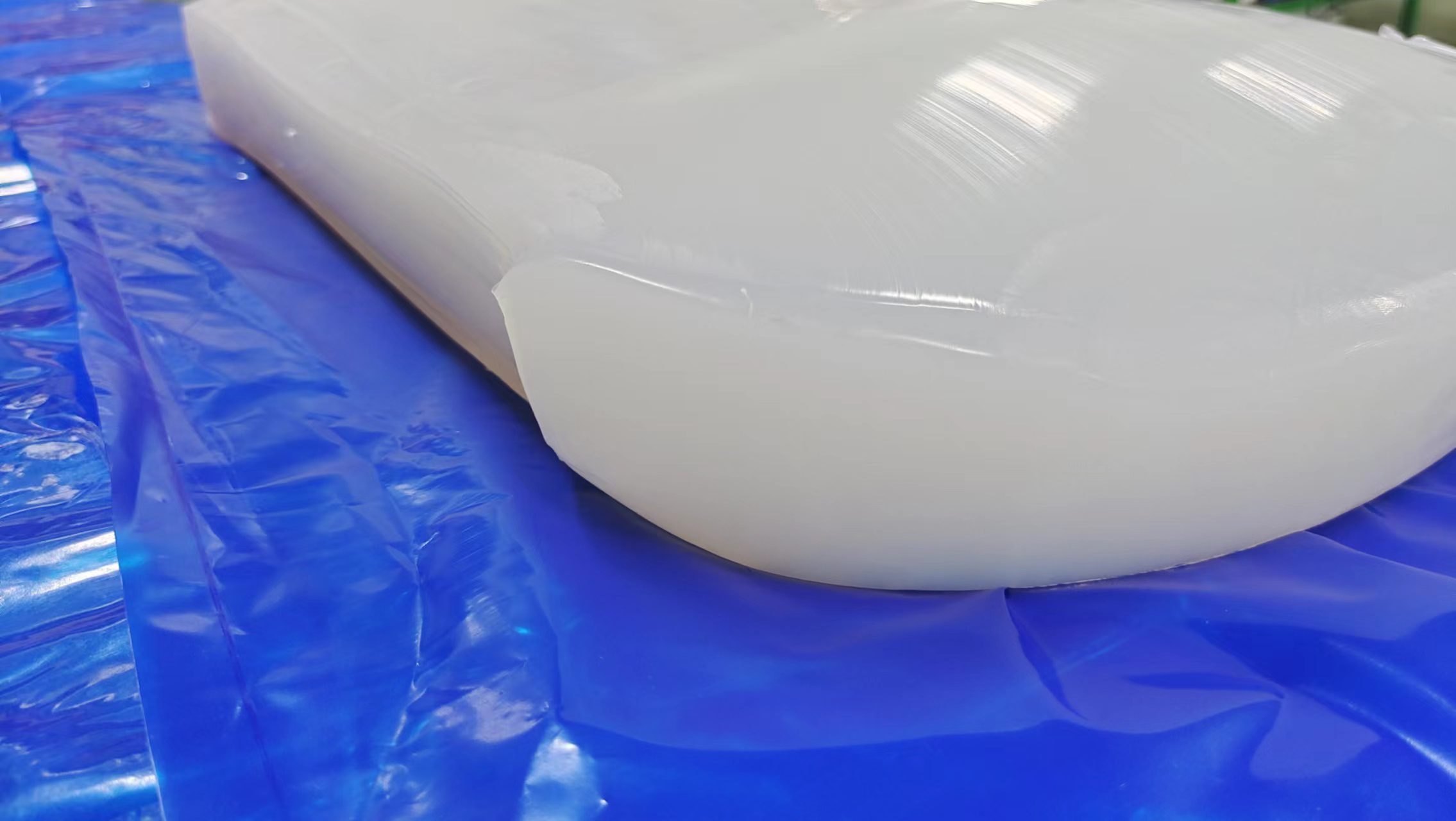
Что делает силиконовую резину химически инертной в условиях топливных элементов?
Кремний-кислородный каркас силиконовой резины по своей природе стабилен против окислительных и кислотных условий, встречающихся в PEM топливных элементах. В отличие от углеродных цепных эластомеров, силикон не образует реактивных участков, которые способствуют разрыву цепей или деградации сшивки. Эта молекулярная стабильность предотвращает затвердевание, трещинообразование или выделение загрязнений в стек, что объясняет, почему силикон сохраняет свою герметизирующую функцию на длительных сроках эксплуатации.
Почему предел восстановления после сжатия ограничивает срок службы уплотнения
Предел восстановления после сжатия измеряет, насколько сильно эластомер сохраняет постоянную деформацию после длительного сжатия при заданной температуре и времени. Уплотнение с показателем восстановления 50% потеряло половину своего исходного восстановления толщины. Это потерянное восстановление напрямую влияет на силу уплотнения. Как только сила уплотнения падает ниже необходимого уровня для герметичного контакта, начинается утечка водорода.
Стековые топливные элементы подвергаются тепловому циклированию при каждом запуске и остановке. Каждый цикл вызывает новое сжатие и расслабление уплотнений. Эластомеры с плохой стойкостью к восстановлению после сжатия накапливают постоянную деформацию с каждым циклом, и сила уплотнения постепенно уменьшается. Поэтому тестирование на восстановление после сжатия при повышенной температуре (часто 150°C и выше в течение 72 часов) является стандартным требованием к материалам уплотнений для топливных элементов.
Силиконовая резина хорошо показывает себя в тестах на восстановление после сжатия благодаря тому, что её сеть сшивки остается стабильной при высоких температурах. Полимерные цепи не проходят через релаксацию напряжения, характерную для многих других эластомеров. Эта стабильность означает, что силиконовое уплотнение, установленное при определенном сжатии, будет продолжать оказывать почти такую же силу уплотнения и через годы, при условии, что температура эксплуатации остается в пределах допустимых значений.
Что происходит, когда превышение предела восстановления после сжатия приводит к отказу уплотнения в топливном элементе?
Когда предел восстановления после сжатия превышает допустимые значения, уплотнение больше не создает достаточной силы для поддержания газонепроницаемого контакта с поверхностями биполярных пластин. Водород просачивается в камеру катода или уходит наружу. Внутренние утечки снижают электрокомическую эффективность и могут ускорить деградацию мембраны. Внешние утечки создают опасность для безопасности и обычно вызывают отключение системы. Любой из этих режимов приводит к незапланированному обслуживанию, замене стека или гарантийным претензиям.
Как выбор формулы влияет на работу уплотнения
Не все силиконовые каучуки одинаково хорошо работают в приложениях для топливных элементов. Стандартный VMQ (винилметилсилоксан) предлагает широкий диапазон рабочих температур, обычно от -60°C до 200°C, и хорошую общую химическую стойкость. Для большинства применений уплотнений в PEM-топливных элементах, составы VMQ, разработанные с низковолатильными добавками и высокочистыми наполнителями, соответствуют требованиям по производительности.
Фторсиликон (FVMQ) добавляет фторные группы к основе силикона, что повышает стойкость к топливам, маслам и некоторым растворителям. Эта химия более актуальна для компонентов балансировочного оборудования (топливопроводы, уплотнения системы охлаждения), чем для самой сборки, но некоторые системные интеграторы указывают FVMQ для вспомогательных уплотнений, где возможен контакт с углеводородами.
Перфторэластомеры (FFKM) представляют собой высший уровень химической и термической стойкости. Эти материалы выдерживают условия, разрушающие любой силикон, но они значительно дороже и требуют иных технологий обработки. FFKM обычно предназначены для самых агрессивных условий, таких как системы высокотемпературных SOFC или применения, где уплотнение контактирует с концентрированными кислотами.
Ниже приведена таблица, которая подытоживает компромиссы:
| Тип эластомера | Ключевое преимущество | Типичный диапазон рабочих температур | Химическая стойкость |
|---|---|---|---|
| VMQ силикон | Широкий температурный диапазон | -60°C до 200°C | Хороший |
| FVMQ силикон | Стойкость к топливам/маслам | -50°C до 180°C | Отличный |
| FFKM | Экстремальная химическая/термическая стойкость | -20°C до 300°C | Превосходно |
Индивидуальное смешивание позволяет разработчикам регулировать твердость по шкале дурометра, прочность на растяжение и сопротивление усадке при сжатии для соответствия конкретным конструкциям сборки. Уплотнение, которое должно соответствовать неровной поверхности биполярной пластины, может потребовать более мягкого состава, в то время как уплотнение под высоким затягивающим усилием может нуждаться в более высокой твердости для сопротивления выдавливанию. Именно эти компромиссы делают выбор материала для уплотнений топливных элементов редко простым каталогом.
Какие марки силикона лучше всего подходят для уплотнения водородных топливных элементов?
Силиконовые соединения VMQ, разработанные для низкого компрессионного остатка и высокой чистоты, являются стандартным выбором для большинства уплотнений стека топливных элементов PEM. FVMQ подходит, когда уплотнение контактирует с топливами или маслами в вспомогательных системах. Конкретный сорт зависит от рабочей температуры, затяжного давления и химического воздействия. Проектировщики стеков обычно работают с поставщиками материалов для квалификации соединения по их конкретным тестовым протоколам, а не выбирают из стандартных сортов.
Какие тестовые протоколы действительно подтверждают надежность уплотнения
Квалификационные испытания для уплотнений топливных элементов выходят за рамки стандартных измерений свойств эластомеров. Прочность на растяжение, удлинение и сопротивление разрыву устанавливают базовые механические показатели, но не предсказывают поведение уплотнения после 10 000 часов работы в стеке. Самые важные тесты для приложений топливных элементов включают:
Тест на компрессионный остаток при повышенной температуре, обычно 150°C в течение 72 часов или дольше. Этот тест ускоряет старение, происходящее при тепловом циклировании, и показывает, сколько сил уплотнения материал сохранит со временем.
Испытание проницаемости водорода, которое измеряет скорость диффузии водорода через материал уплотнения. Даже химически инертное уплотнение позволит проникать некоторому количеству водорода. Вопрос в том, достаточно ли низка скорость проникновения для соответствия требованиям эффективности и безопасности системы.
Ускоренное старение в моделируемой среде топливного элемента, которое подвергает материал воздействию деионизированной воды, влажного воздуха или кислых растворов при повышенной температуре. Изменение веса, изменение твердости и визуальный осмотр после старения показывают, будет ли материал деградировать в эксплуатации.
Испытания на выделение газов и извлекаемых веществ, которые выявляют летучие соединения или растворимые вещества, способные мигрировать из уплотнения в стек. Загрязнение мембраны или каталитического слоя — это режим отказа, который не проявляется в механических тестах.
Если ваше применение уплотнения связано с необычными условиями эксплуатации или требует квалификации по конкретному протоколу OEM, стоит обсудить требования к тестам с поставщиком материалов до выбора формулы.
Как Sane Zenchem подходит к разработке уплотнений для топливных элементов
Sane Zenchem работает как поставщик сырья и соединений для резины с акцентом на индивидуальные формулы для требовательных применений. Возможности R&D компании позволяют ей корректировать полимерную химию, системы наполнителей и комплекты отверждения для достижения конкретных целей по характеристикам. Для приложений топливных элементов это означает разработку силиконовых соединений, сочетающих химическую инертность, низкий компрессионный остаток и характеристики обработки, подходящие для массового производства прокладок.
Сотрудничество с производителями стеков и системными интеграторами является частью процесса разработки. Квалификация материалов в топливных элементах требует итеративных испытаний, а корректировки формулы часто следуют за результатами первых проб. Техническая поддержка Sane Zenchem распространяется на весь цикл квалификации, предоставляя пакеты данных и образцы для прототипных сборок.
Часто задаваемые вопросы о герметизации топливных элементов
Почему низкий компрессионный остаток критичен для силиконовых уплотнений в водородных топливных элементах?
Низкий компрессионный остаток обеспечивает продолжение приложения достаточной силы к поверхностям биполярной пластины на протяжении всего срока службы стека. Топливные элементы проходят повторные тепловые циклы при запуске и остановке. Каждый цикл создает нагрузку на уплотнение, и материалы с плохой стойкостью к компрессионному остатку накапливают постоянную деформацию. Как только сила уплотнения падает ниже порога герметичного контакта, происходит утечка водорода внутри или снаружи. Низкий компрессионный остаток напрямую продлевает срок службы уплотнения и снижает риск незапланированного обслуживания.
Как Sane Zenchem обеспечивает химическую инертность своих силиконовых резин для приложений топливных элементов?
Компания начинает с высокочистых базовых полимеров и выбирает наполнители и добавки, не вызывающие реактивных веществ или извлекаемых загрязнений. Разработка формулы включает испытания на воздействие в моделируемых условиях топливных элементов, с измерениями изменения веса, твердости и состояния поверхности после старения. Эти тесты подтверждают, что соединение не будет деградировать или выделять вещества, способные повредить мембрану или каталитический слой.
Существуют ли конкретные отраслевые стандарты для силиконовых резин, используемых в герметизации водородных топливных элементов?
Нет единого стандарта, регулирующего все материалы для уплотнений топливных элементов. Свойства эластомеров обычно оцениваются по методам ASTM или ISO для прочности на растяжение, удлинения, компрессионного остатка и химической стойкости. Отдельные OEM добавляют дополнительные требования, устанавливая лимиты проницаемости, пороги выделения газов и ускоренные протоколы старения, адаптированные к их конструкциям стеков. Поставщики материалов должны быть готовы тестировать как по общим стандартам, так и по требованиям заказчика. Чтобы обсудить, как эти требования применимы к вашему проекту, свяжитесь с Sane Zenchem по телефону +86 136 7164 1995 или по электронной почте yorichen@sanezen.com.
Если вас заинтересовало, вы можете ознакомиться со следующими статьями:
добавка для биотоплива LC Bio Tire, устойчивое решение для шин, нанотехнология лигнина, низкое сопротивление качению, высокая сцепляемость на мокрой дороге
специальный резиновый химикат Китай ef bc 9aadditive NR соединение для производства бескамерных шин
 Russian
  English
  Spanish