
The global flame retardant elastomer market reached USD 2.84 billion in 2025 and is projected to expand to USD 4.62 billion by 2033, representing a compound annual growth rate of 6.2%. Behind this growth lies a fundamental industry challenge: how to achieve UL94 V-0 flame retardancy in rubber compounds and silicone sealants without sacrificing tensile strength, heat aging resistance, compression set, or processability.
Traditional halogenated flame retardants deliver high efficiency but face increasing regulatory restrictions under REACH and RoHS. Conventional halogen-free alternatives often require loadings of 80–130 phr, degrading mechanical properties and compromising extrusion quality. As a leading Halogen Free Flame Retardant factory, Sanexin Polymer has developed the GreenThinking® FR Series to address these challenges through three distinct technological approaches: ultra-fine processing, surface modification, and synergistic compounding.
Sanexin Polymer’s GreenThinking® FR Series—comprising FR99RP, FR98RP, and FR76RP—addresses this challenge through three distinct technological approaches: ultra-fine processing, surface modification, and synergistic compounding. As a recognized UL94 V0 Flame Retardant Manufacturer in China, Sanexin delivers proven performance across EPDM, NBR, and silicone sealant formulations. This technical report presents comparative performance data across EPDM, NBR, and silicone sealant formulations, enabling compounders and manufacturers to select the optimal flame retardant for their specific application requirements.
1. What Is the Halogen-Free Flame Retardant Challenge in Rubber Compounding?
Definition: The halogen-free flame retardant challenge refers to the technical difficulty of achieving high-level flame retardancy (UL94 V-0) in rubber and elastomer compounds without using halogenated chemicals (PBBs, PBDEs, chlorine, fluorine, or antimony trioxide), while simultaneously maintaining mechanical properties, processability, and long-term durability.
1.1 Why Are Halogenated Flame Retardants Being Phased Out?
Halogenated flame retardants—particularly brominated and chlorinated compounds—have been the industry standard for decades due to their high efficiency at low loadings. However, their combustion releases toxic and corrosive byproducts including hydrogen halides, dioxins, and furans. Regulatory pressure has intensified:
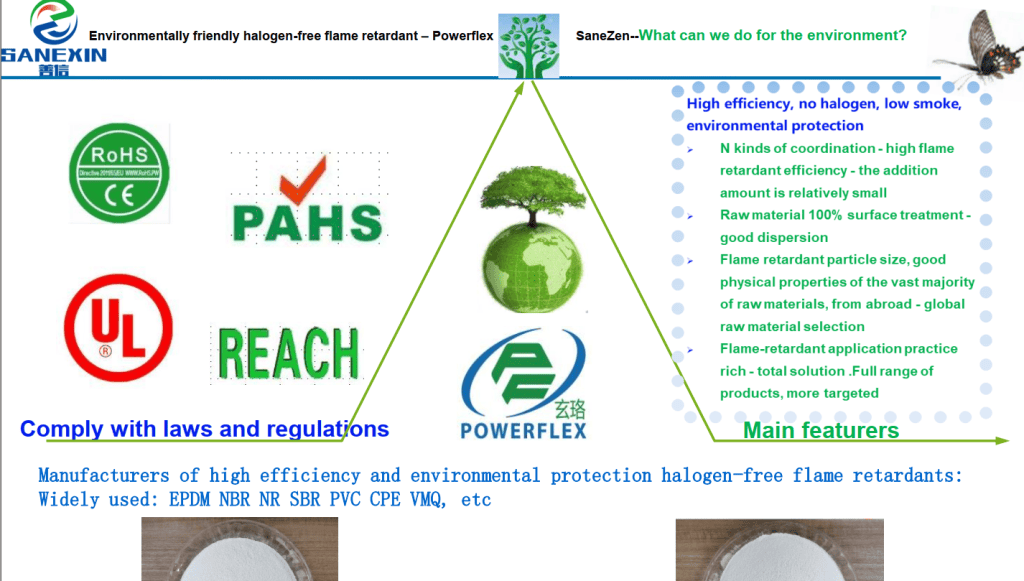
- EU REACH restricts Substances of Very High Concern (SVHC), with the candidate list reaching 241 substances as of 2025
- EU RoHS Directive (2011/65/EU) restricts halogenated flame retardants in electrical and electronic equipment
- WEEE Directive mandates recovery and recycling requirements that penalize halogenated materials
1.2 What Are the Performance Trade-Offs in Conventional Halogen-Free Systems?
Conventional halogen-free flame retardants—typically based on aluminum hydroxide, magnesium hydroxide, or phosphorus-nitrogen systems—present several limitations:
| Limitation | Impact |
| High loading requirements (80–130 phr) | Increased compound cost and density |
| Poor dispersion | Rough extrusion surfaces, inconsistent properties |
| Degraded mechanical properties | Reduced tensile strength and elongation |
| Extended cure times | Lower production throughput |
| Poor heat aging resistance | Shortened product service life |
| High smoke and soot generation | Poor fire safety profile |
1.3 What Is the Market Demand for High-Performance Halogen-Free Solutions?
The transition from “compliant” to “high-performance” is now well underway. End users across rail transit, electronics, automotive, mining, and construction are demanding flame-retardant rubber components that not only pass V-0 testing but also maintain long-term reliability in demanding service conditions. As a premier China UL94 V0 Flame Retardant Supplier, Sanexin addresses these market demands with solutions that deliver both performance and compliance. Silicone sealant manufacturers, in particular, face the dual challenge of achieving V-0 ratings while maintaining adhesion, smooth surfaces, and bubble-free extrusion.
Key Takeaways:
✓ Regulatory pressure (REACH, RoHS, WEEE) is accelerating the shift away from halogenated flame retardants
✓ Conventional halogen-free alternatives force unacceptable trade-offs between flame retardancy and mechanical properties
✓ The market increasingly demands solutions that deliver both V-0 performance and long-term durability
✓ Silicone sealant applications require additional considerations: dispersion, adhesion, and surface finish
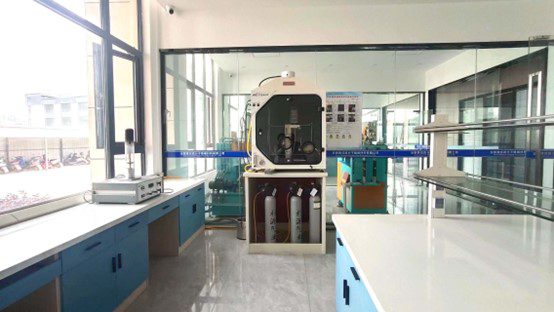
2. How Does the GreenThinking® FR Series Work?
Definition: The GreenThinking® FR Series flame retardant mechanism is a multi-modal action that combines intumescent char formation, free radical scavenging, and endothermic heat absorption to suppress combustion without halogenated chemistry.
2.1 What Is the Flame Retardant Mechanism of the FR Series?
Upon heating, the GreenThinking® FR Series decomposes on the product surface, forming a viscous, charred insulating layer that acts as a physical barrier. This barrier isolates the diffusion of oxygen, heat, and combustible small molecules during combustion.
Simultaneously, the decomposition generates free radicals that react with H· and OH· radicals—the species that propagate combustion—thereby terminating the chain reaction. The process also releases water and carbon dioxide, efficiently absorbing large amounts of heat and suppressing flame propagation.
2.2 What Distinguishes FR99RP, FR98RP, and FR76RP?
The GreenThinking® FR Series comprises three complementary technologies, each engineered for specific performance priorities:
GreenThinking® FR99RP – The Flagship Balanced Performer
FR99RP is a high-efficiency compounded flame retardant developed for applications requiring V-0 certification, excellent physical properties, superior heat aging resistance, and low compression set. It forms a dense, ceramic-like char with minimal soot and smoke. Key attributes:
- Achieves V-0 reliably across EPDM, NBR, NR, SBR, CR, IIR, ACM, and silicone
- Maintains high tensile strength and elongation at break
- Superior heat aging resistance (significantly lower property degradation after 100°C × 70h aging)
- Excellent compression set resistance at elevated temperatures (120°C × 24h)
- Halogen-free, REACH and RoHS compliant
GreenThinking® FR98RP – The High-LOI Option
FR98RP is an earlier-generation composite that achieves higher Limiting Oxygen Index (LOI) values compared to FR99RP. However, this fire-performance advantage comes with significant compromises:
- Higher LOI (up to 42.3% in EPDM formulations)
- Strong intumescent behavior with significant expansion upon combustion
- Produces substantial soot and ash
- Reduces tensile strength and crosslink density
- Prolongs curing time (higher TC90)
- Poor heat aging resistance
- Inferior compression set and resilience
GreenThinking® FR76RP – The Ultra-Fine Surface-Modified Specialist
FR76RP is distinguished by its ultra-fine particle size (D50: 2.65 μm), lamellar structure, surface modification, and superior dispersion characteristics. It is engineered for applications demanding smooth extrusion surfaces, high thermal stability, and anti-drip performance during combustion. Key properties:
- Active ingredient: 98.59%
- Brightness (R457nm): 95.9
- Moisture content: 0.36%
- D(0.5) particle size: 2.65 μm
- D(0.97) particle size: 11.39 μm
| Material | phr |
| KEP350 | 50 |
| TER 4038 | 50 |
| CZ500R | 40 |
| Precipitated Calcium Carbonate | 20 |
| Flame Retardant (FR98/FR99) | 80 / 100 |
| Paraffin Oil 6030# | 15 |
| ZnO | 6 |
| STA | 1.5 |
| PEG4000 | 2 |
| L-24 | 1 |
| S-80 | 1.25 |
| EP-33 | 2.5 |
Key Takeaways:
✓ The FR Series operates through a multi-modal mechanism: char formation + free radical scavenging + heat absorption
✓ FR99RP delivers the best overall balance of flame retardancy, mechanical properties, and durability
✓ FR98RP offers higher LOI but at the cost of physical properties, heat aging, and compression set
✓ FR76RP’s ultra-fine particle size and surface modification enable superior dispersion and surface finish
3. What Is the Difference Between FR99RP and FR98RP in EPDM Compounds?
Definition: EPDM (ethylene-propylene-diene monomer) rubber is a widely used synthetic elastomer known for excellent weather, ozone, and heat resistance. It is inherently flammable, requiring flame retardant additives for fire-safety applications. As a specialized Flame Retardant for EPDM rubber Factory, Sanexin has extensively characterized the performance of FR Series products in EPDM systems.
3.1 Test Methodology
A 70 Shore A EPDM base formulation was selected to compare FR98 and FR99 at different loading levels (80 phr and 100 phr). Testing evaluated curing characteristics, physical-mechanical properties, heat resistance, compression set, and flame retardancy.
Test Formulation (70 Shore A EPDM):
3.2 Curing Characteristics
| Parameter | FR98RP-80 | FR99RP-80 | FR98RP-100 | FR99RP-100 |
| ML (Ibf-in) | 0.92 | 0.9 | 1.09 | 1.04 |
| MH (Ibf-in) | 11.18 | 12.55 | 11.27 | 14.62 |
| MH-ML (Ibf-in) | 10.26 | 11.65 | 10.18 | 13.58 |
| TS2 (sec) | 59 | 41 | 63 | 41 |
| TC10 (sec) | 50 | 35 | 51 | 36 |
| TC90 (sec) | 207 | 96 | 221 | 112 |
Analysis: FR98 reduces the cure state (lower MH-ML) and prolongs curing time (higher TC90). This delaying effect and reduction in crosslink density become more pronounced as loading increases. FR99 demonstrates faster curing and higher crosslink density at both loading levels.
3.3 Physical-Mechanical Properties
| Parameter | FR98RP-80 | FR99RP-80 | FR98RP-100 | FR99RP-100 |
| Hardness (Shore A) | 74 | 74 | 78 | 76 |
| Tensile Strength (MPa) | 7.63 | 9.26 | 6.35 | 9.32 |
| Elongation at Break (%) | 406 | 421 | 417 | 497 |
| M100 (MPa) | 2.64 | 2.77 | 2.59 | 2.69 |
| Specific Gravity (g/cm³) | 1.22 | 1.238 | 1.241 | 1.242 |
Analysis: FR98 primarily reduces the tensile strength of the vulcanizate. In contrast, FR99 demonstrates higher tensile strength and better elasticity. Furthermore, FR98 causes a rapid increase in hardness and reduction in elasticity as loading is raised. FR99 maintains more stable hardness and significantly higher elongation at break.
3.4 Flame Retardancy
| Parameter | FR98RP-80 | FR99RP-80 | FR98RP-100 | FR99RP-100 |
| UL94 Vertical Burning | V-0 | V-0 | V-0 | V-0 |
| Oxygen Index (LOI %) | 42.3 | 35.4 | — | — |
Analysis: Both FR98 and FR99 enable UL94 V-0 rating. FR98 yields higher LOI. However, FR98 exhibits strong intumescence (swelling) upon combustion, resulting in significant soot and ash, whereas FR99 more readily forms a ceramic-like char.
| Parameter | FR98RP-100 | FR99RP-100 |
| Hardness (Shore A) | 83 | 79 |
| Hardness Change | +5 | +3 |
| Tensile Strength (MPa) | 5.87 | 8.99 |
| Tensile Strength Change (%) | -7.56 | -3.54 |
| Elongation at Break (%) | 275 | 406 |
| Elongation at Break Change (%) | -34.05 | -18.31 |
3.5 Heat Air Aging Resistance (100°C × 70h)
Analysis: FR98 shows poor heat resistance, with greater changes in hardness, tensile strength, and elongation at break after aging compared to FR99.
| Criterion | FR98RP | FR99RP |
| Curing speed | Slower (higher TC90) | Faster |
| Crosslink density | Lower | Higher |
| Tensile strength | Lower | Higher |
| Elongation at break | Lower | Higher |
| Heat aging resistance | Poor | Excellent |
| Compression set | Higher (worse) | Lower (better) |
| Resilience | Lower | Higher |
| LOI | Higher | Lower |
| Char quality | Sooty, intumescent | Clean, ceramic-like |
3.6 Compression Set and Resilience (120°C × 24h)
| Parameter | FR98RP-100 | FR99RP-100 |
| Compression Set (%) | 52.94 | 31.43 |
| Resilience (%) | 37 | 47 |
Analysis: FR99 demonstrates superior compression set resistance at high temperatures and better resilience.
3.7 Summary: FR99RP vs FR98RP in EPDM
Based on the comprehensive data, FR99 demonstrates superior performance overall compared to FR98 within EPDM formulations. As a leading Flame Retardant Manufacturer for EPDM Rubber, Sanexin recommends FR99RP for most EPDM applications requiring UL94 V-0 certification.
Key Takeaways:
✓ FR99RP delivers V-0 performance with superior tensile strength, elongation, and elasticity
✓ FR99RP cures faster and achieves higher crosslink density than FR98RP
✓ FR99RP offers dramatically better heat aging resistance and compression set
✓ FR98RP’s only advantage is higher LOI—at the cost of overall performance
✓ For most applications, FR99RP is the superior choice
4. How Does FR99RP Compare to FR98RP in 50 Shore A EPDM?
4.1 Test Methodology and Results
A 50–60 Shore A EPDM base formulation was used to compare FR98 and FR99 at equal loadings (100 phr).
| Parameter | FR98RP-100 | FR99RP-100 |
| Rheometer (180°C × 5min) | ||
| ML (Ibf-in) | 0.62 | 0.58 |
| MH (Ibf-in) | 9.02 | 9.89 |
| MH-ML (Ibf-in) | 8.4 | 9.31 |
| TS2 (sec) | 66 | 41 |
| TC10 (sec) | 53 | 35 |
| TC90 (sec) | 199 | 131 |
| Physical Properties | ||
| Hardness (Shore A) | 67 | 67 |
| Tensile Strength (MPa) | 8.03 | 9.31 |
| Elongation at Break (%) | 550 | 553 |
| M100 (MPa) | 1.75 | 1.85 |
| Specific Gravity (g/cm³) | 1.166 | 1.189 |
| Flame Retardancy | ||
| UL94 V-0 | Pass | Pass |
| LOI (%) | 41.5 | 30.5 |
| Resilience | 44% | 51% |
Test Formulation (50 Shore A EPDM):
| Material | phr |
| KEP350 | 40 |
| TER 4038 | 60 |
| CZ500R | 40 |
| Flame Retardant (FR98/FR99) | 100 |
| Paraffin Oil 6030# | 35 |
| ZnO | 6 |
| STA | 1.5 |
| PEG4000 | 2 |
| L-24 | 1 |
| S-80 | 1.25 |
| EP-33 | 2.5 |
4.2 Comparative Results
4.3 Analysis
The same performance patterns observed in 70 Shore A EPDM are confirmed at 50 Shore A:
- Curing: FR98 reduces cure state and prolongs curing time; FR99 cures faster
- Mechanical Properties: FR99 provides higher tensile strength and better elasticity
- Flame Retardancy: Both achieve UL94 V-0; FR98 has higher LOI but causes more intumescence and soot; FR99 promotes ceramic-like char formation
- Resilience: FR99 demonstrates significantly better rebound resilience (51% vs 44%)
Key Takeaways:
✓ The performance advantages of FR99RP over FR98RP are consistent across different EPDM hardness grades
✓ FR99RP delivers better overall performance profile in EPDM formulations
✓ The ceramic-like char of FR99RP is preferable to the intumescent, sooty char of FR98RP
5. How Does FR99RP Compare to FR98RP in NBR Compounds?
Definition: NBR (nitrile butadiene rubber) is a synthetic rubber copolymer of acrylonitrile and butadiene, known for excellent oil and fuel resistance. It is widely used in automotive, industrial, and sealing applications where flame retardancy is increasingly required. As a comprehensive Halogen Free Flame Retardant manufacturer China, Sanexin provides solutions for both EPDM and NBR applications.
5.1 Test Methodology
| Material | phr |
| NBR 3350 | 100 |
| CZ500R | 40 |
| Flame Retardant | 100 |
| Plasticizer IATBC | 10 |
| ZnO | 5 |
| STA | 1 |
| PEG4000 | 1 |
| RD | 1.5 |
| 4010NA | 1 |
| L-12 | 1 |
| S-80 | 0.75 |
| TMTD | 1.5 |
| CZ | 1.5 |
A 70 Shore A NBR base formulation was used to compare FR98 and FR99 at equal loadings (100 phr).
Test Formulation (70 Shore A NBR):
5.2 Comparative Results
| Parameter | FR98RP-100 | FR99RP-100 |
| Rheometer (180°C × 5min) | ||
| ML (Ibf-in) | 1.03 | 0.7 |
| MH (Ibf-in) | 9.48 | 13.23 |
| MH-ML (Ibf-in) | 8.45 | 12.53 |
| TS2 (sec) | 41 | 38 |
| TC10 (sec) | 33 | 35 |
| TC90 (sec) | 79 | 94 |
| Physical Properties | ||
| Hardness (Shore A) | 75 | 76 |
| Tensile Strength (MPa) | 9.43 | 9.23 |
| Elongation at Break (%) | 522 | 455 |
| M100 (MPa) | 2.55 | 2.94 |
| Specific Gravity (g/cm³) | 1.28 | 1.312 |
| Flame Retardancy | ||
| UL94 V-0 | Pass | Pass |
| LOI (%) | 37.8 | 32.6 |
| Resilience | 24% | 33% |
5.3 Analysis
In NBR formulations:
- Curing Characteristics: FR98 substantially reduces the cure state (lower MH-ML) while shortening the optimal cure time
- Physical Properties: FR98 exhibits higher elongation at break and lower modulus, resulting in poorer elasticity
- Flame Retardancy: FR98 demonstrates superior flame retardancy (higher LOI)
- Resilience: FR99 shows better rebound resilience (33% vs 24%)
Key Takeaways:
✓ FR98 offers better flame retardancy in NBR but inferior mechanical elasticity
✓ FR99 provides a valuable balance of physical properties and resilience
✓ Selection between FR98 and FR99 in NBR depends on whether flame retardancy or mechanical properties are the priority
6. What Makes FR76RP the Preferred Choice for Silicone Sealants?
Definition: Silicone sealants are one-part or two-part room-temperature-vulcanizing (RTV) elastomers used for sealing, bonding, and gap-filling in construction, automotive, electronics, and rail transit applications. Flame-retardant silicone sealants must comply with standards such as GB/T 24267-2009 for building applications. Sanexin is a trusted Flame Retardant Supplier for Silicone Sealants, offering specialized solutions for this demanding application.
6.1 What Are the Unique Challenges of Flame-Retardant Silicone Sealants?
Silicone sealants are widely specified for their excellent weatherability, temperature resistance, and adhesion. However, achieving flame retardancy in silicone systems has historically forced compromises:
- High loadings of conventional flame retardants (80–130 phr) required for V-0
- These high loadings degrade mechanical properties and reduce adhesion
- Many conventional flame retardants contain halogens or antimony trioxide—increasingly restricted
- Traditional fillers like aluminum hydroxide and zinc oxide result in poor dispersion, rough surfaces, and bubble formation
The global flame retardant silicone sealant market is expanding rapidly, driven by building fire safety regulations, rail transit and new energy infrastructure, and rising demand for green, low-smoke, halogen-free materials.
6.2 How Does FR76RP Address These Challenges?
FR76RP is a high-efficiency composite flame retardant developed through ultra-fine processing and surface modification. Through ultra-fine processing, surface modification, and a unique lamellar structure, it delivers:
| Property | Value |
| Appearance | White powder |
| Active Ingredient | 98.59% |
| Brightness (R457nm) | 95.9 |
| Moisture Content | 0.36% |
| D(0.5) Particle Size | 2.65 μm |
| D(0.97) Particle Size | 11.39 μm |
| Average Density | 2.35 g/cm³ |
| pH Value | 9.8 |
| Specific Surface Area | 15 m²/g |
| Oil Absorption Value | 25 ml/100g |
- V-0 performance with exceptional dispersion
- Smooth extrusion surfaces
- Superior high-temperature char formation
- Anti-drip properties during combustion
6.3 What Are the Key Properties of FR76RP?
Source: GreenThinking® FR76RP Technical Data Sheet
6.4 What Performance Does FR76RP Deliver in Silicone Sealants?
FR76RP demonstrates excellent performance in silicone sealant applications:
- Flame Retardancy: Meets GB/T 24267-2009 standard for building flame-retardant sealants
- Dispersion: Good dispersibility in 107 base silicone oil
- Flowability: Maintains good fluidity for easy processing
- Surface Quality: Produces bright, bubble-free surfaces
- Adhesion: Good bonding effect and dimensional stability
- Water Resistance: Waterproof and mildew-resistant
- Environmental Compliance: Halogen-free, RoHS and WEEE compliant
6.5 What Is the Recommended Usage Level?
FR76RP typically comprises approximately 50% by volume in silicone sealant formulations, adjustable based on physical properties, flame retardancy requirements, and processing conditions. For rubber compounds, general usage ranges from 60 to 130 phr depending on hardness, physical properties, grade of flame retardant, and processing requirements.
Key Takeaways:
✓ FR76RP’s ultra-fine particle size (2.65 μm) and surface modification enable superior dispersion in silicone systems
✓ FR76RP delivers smooth, bubble-free extrusion surfaces—critical for sealant aesthetics and performance
✓ FR76RP meets GB/T 24267-2009 for building flame-retardant sealants
✓ FR76RP is halogen-free and compliant with RoHS and WEEE directives
✓ FR76RP replaces traditional fillers like aluminum hydroxide and zinc oxide with superior performance
7. What Regulatory Certifications Do the FR Series Products Hold?
7.1 REACH Compliance
The FR Series products have passed REACH SVHC testing under Regulation (EC) No 1907/2006. REACH (Registration, Evaluation, Authorisation and Restriction of Chemicals) is the European Union’s comprehensive chemical regulatory framework. Products must demonstrate that SVHC content is below 0.1% (weight by weight). As a supplier of REACH & RoHS Compliant Halogen-Free Flame Retardant, Sanexin ensures full regulatory compliance for global markets.
7.2 RoHS Compliance
The FR Series products comply with RoHS Directive 2011/65/EU (RoHS 2.0) and its subsequent amendments including Directive (EU) 2015/863. RoHS restricts the use of hazardous substances including:
- Lead, mercury, cadmium, hexavalent chromium
- Polybrominated biphenyls (PBBs)
- Polybrominated diphenyl ethers (PBDEs)
- Four phthalates (DEHP, BBP, DBP, DIBP)
7.3 WEEE Compliance
The FR Series products comply with the WEEE (Waste Electrical and Electronic Equipment) Directive, supporting end-of-life recovery and recycling requirements.
7.4 UL Certification
Mature EPDM formulations containing GreenThinking® FR Series flame retardants have passed UL certification. UL (Underwriters Laboratories) certification is a globally recognized mark of product safety compliance.
| Application Priority | Recommended Product | Rationale |
| Best overall balance of V-0 + mechanical properties + durability | FR99RP | Superior tensile strength, elongation, heat aging, compression set, and resilience |
| Maximum LOI (oxygen index) | FR98RP | Higher LOI (42.3% in EPDM) but sacrifices mechanical properties and durability |
| Silicone sealants, smooth surfaces, anti-drip | FR76RP | Ultra-fine particle size, excellent dispersion, smooth extrusion, GB/T 24267-2009 compliant |
| EPDM compounds requiring V-0 + high performance | FR99RP | Proven superior to FR98RP in all key performance metrics |
| NBR compounds where resilience is critical | FR99RP | Better rebound resilience (33% vs 24%) |
Key Takeaways:
✓ FR Series products are REACH compliant (SVHC testing passed)
✓ FR Series products are RoHS 2.0 compliant (including Directive 2015/863)
✓ FR Series products are WEEE compliant
✓ EPDM formulations with FR Series flame retardants have achieved UL certification
8. How to Choose the Right FR Series Flame Retardant?
8.1 Selection Guide
8.2 General Usage Guidelines
- Rubber Compounds: 60 to 130 phr depending on hardness, physical properties, and flame retardancy requirements
- Hardness Adjustment: Adding 6–8 phr increases hardness by one Shore A degree
- Oxygen Index Adjustment: Adding 3–5 phr increases LOI by one unit
- Silicone Sealants: Approximately 50% by volume
8.3 Key Decision Factors
Choose FR99RP if you need:
- UL94 V-0 certification
- High tensile strength and elongation
- Excellent heat aging resistance
- Low compression set
- Clean ceramic-like char (minimal soot)
- Overall best balance of properties
Choose FR98RP if you need:
- Maximum LOI (oxygen index) at the expense of all other properties
- Are willing to accept lower tensile strength, slower curing, poor heat aging, and higher compression set
Choose FR76RP if you are:
- Manufacturing silicone sealants
- Requiring smooth, bubble-free extrusion surfaces
- Need anti-drip properties during combustion
- Requiring compliance with GB/T 24267-2009
Key Takeaways:
✓ FR99RP is the recommended choice for most rubber compounding applications
✓ FR98RP is only recommended when maximum LOI is the sole priority
✓ FR76RP is the specialized solution for silicone sealants and applications requiring ultra-fine dispersion
9. Case Studies
Case Study 1: EPDM Railway Component Manufacturer
Background: A European manufacturer of railway sealing components required UL94 V-0 flame retardancy for interior applications, with strict heat aging and compression set requirements per rail industry standards.
Problem: Previous halogen-free flame retardant caused:
- Unacceptable tensile strength reduction (from 9.5 MPa to 6.2 MPa)
- Poor heat aging (hardness increased by 8 points after 100°C × 70h)
- High compression set (>50% at 120°C × 24h)
Solution: Switched to GreenThinking® FR99RP at 100 phr.
Results:
- Tensile strength: 9.32 MPa (maintained)
- Hardness change after aging: +3 points
- Compression set: 31.43%
- UL94 V-0: Passed
- LOI: 35.4%
Benefit: Component passed rail industry qualification testing and entered production.
Case Study 2: Silicone Sealant Manufacturer for Building Construction
Background: A Chinese silicone sealant manufacturer needed to meet GB/T 24267-2009 《建筑用阻燃密封胶》standard for building applications. As a leading Silicone Sealant Flame Retardant Supplier, Sanexin provided the optimal solution.
Problem: Traditional aluminum hydroxide-based system caused:
- Poor dispersion and rough surface finish
- Bubble formation during extrusion
- Marginal flame retardancy compliance
Solution: Replaced aluminum hydroxide with GreenThinking® FR76RP at approximately 50% by volume.
Results:
- Flame retardancy: Met GB/T 24267-2009 requirements
- Dispersion: Excellent in 107 base silicone oil
- Surface quality: Bright, bubble-free
- Adhesion: Good bonding and dimensional stability
- Environmental compliance: RoHS and WEEE compliant
Benefit: Product gained market acceptance and expanded into rail transit and electronics applications.
Case Study 3: NBR Automotive Hose Manufacturer
Background: An automotive supplier required oil-resistant NBR hoses with flame retardancy for engine compartment applications.
Problem: FR98RP at 100 phr provided adequate flame retardancy but:
- Resilience was poor (24%)
- Compound had lower crosslink density
- Long-term durability concerns
Solution: Evaluated FR99RP at 100 phr.
Results:
- Flame retardancy: UL94 V-0 maintained
- Resilience: Improved from 24% to 33%
- Crosslink density: Significantly higher (MH-ML: 12.53 vs 8.45)
- Tensile strength: Comparable (9.23 MPa vs 9.43 MPa)
Benefit: Improved product durability and customer satisfaction with no sacrifice in flame retardancy.
Case Study 4: EPDM Cable Insulation Manufacturer
Background: A cable manufacturer required high LOI for EPDM insulation in fire-safety critical applications. They sought a UL94 V0 Flame Retardant for EPDM Rubber that could meet their specific oxygen index requirements.
Problem: FR99RP’s LOI of 35.4% was below the required threshold.
Solution: Used FR98RP at 100 phr achieving LOI of 42.3%.
Trade-off Accepted:
- Lower tensile strength (6.35 MPa vs 9.32 MPa)
- Longer curing time (TC90: 221 sec vs 112 sec)
- Poorer heat aging resistance
- Higher compression set (52.94% vs 31.43%)
Benefit: Met the LOI specification for the specific application. Customer accepted the trade-offs for the higher oxygen index requirement.
Case Study 5: Electronics Housing Gasket Manufacturer
Background: A manufacturer of gaskets for electronics enclosures required thin-wall flame retardancy with anti-drip properties. They needed a High-Performance Flame Retardant for Silicone Sealants that could deliver both V-0 and aesthetic quality.
Problem: Conventional flame retardants caused dripping during UL94 testing, failing V-0 requirements for thin-wall sections.
Solution: Implemented GreenThinking® FR76RP for its anti-drip properties.
Results:
- UL94 V-0: Passed (no dripping)
- Surface finish: Smooth
- Dispersion: Excellent
- Processing: Good flowability and dimensional stability
Benefit: Product qualified for electronics industry supply.
10. Frequently Asked Questions (FAQ)
Q1: What is the difference between FR99RP and FR98RP?
FR99RP is a next-generation halogen-free flame retardant that delivers superior mechanical properties, faster curing, better heat aging resistance, lower compression set, and higher resilience compared to FR98RP. FR98RP offers higher LOI but sacrifices physical properties and durability. As a China Halogen Free Flame Retardant Factory, Sanexin recommends FR99RP for most applications.
Q2: What is FR76RP used for?
FR76RP is a specialized ultra-fine, surface-modified flame retardant engineered for silicone sealants and applications requiring smooth extrusion surfaces, excellent dispersion, and anti-drip properties during combustion.
Q3: What UL94 rating do FR Series products achieve?
FR Series products enable UL94 V-0 rating in EPDM, NBR, and silicone formulations.
Q4: Are FR Series products halogen-free?
Yes. All GreenThinking® FR Series products are halogen-free, containing no polybrominated biphenyls (PBBs), polybrominated diphenyl ethers (PBDEs), chlorine, fluorine, or antimony trioxide.
Q5: Are FR Series products REACH and RoHS compliant?
Yes. FR Series products are REACH RoHS compliant halogen free flame retardant manufacturer certified, having passed REACH SVHC testing under Regulation (EC) No 1907/2006 and comply with RoHS Directive 2011/65/EU (RoHS 2.0) and its amendments.
Q6: What is the recommended usage level?
For rubber compounds: 60 to 130 phr depending on hardness, physical properties, and flame retardancy requirements. For silicone sealants: approximately 50% by volume.
Q7: How does FR76RP compare to traditional fillers like aluminum hydroxide?
FR76RP offers superior dispersion, smoother surfaces, better flame retardancy efficiency, and no bubble formation compared to aluminum hydroxide and zinc oxide in silicone sealant applications.
Q8: What is the shelf life of FR Series products?
Approximately 2 years when stored in a dry, cool, and sealed environment at approximately 25°C.
Q9: What packaging options are available?
25 KG/Bag, 1000 KG/Pallet.
Q10: Can FR Series products be used in other rubber types besides EPDM and NBR?
Yes. FR Series products are suitable for HCR, EPDM, NBR, SBR, NR, CR, IIR, ACM, and silicone.
Q11: What is the difference in char formation between FR98 and FR99?
FR98 forms an intumescent (swelling) char with significant soot and ash. FR99 forms a clean, stable, ceramic-like char with minimal smoke.
Q12: How does FR99RP affect curing time?
FR99RP cures faster than FR98RP. In EPDM 70 Shore A at 100 phr, TC90 was 112 seconds for FR99 vs 221 seconds for FR98.
Q13: What is the oxygen index (LOI) of FR99RP vs FR98RP?
In EPDM 70 Shore A at 80 phr, FR98RP achieved 42.3% LOI while FR99RP achieved 35.4% LOI.
Q14: Does FR76RP meet Chinese building sealant standards?
Yes. FR76RP meets GB/T 24267-2009 《建筑用阻燃密封胶》standard for building flame-retardant sealants.
Q15: Where is Sanexin located?
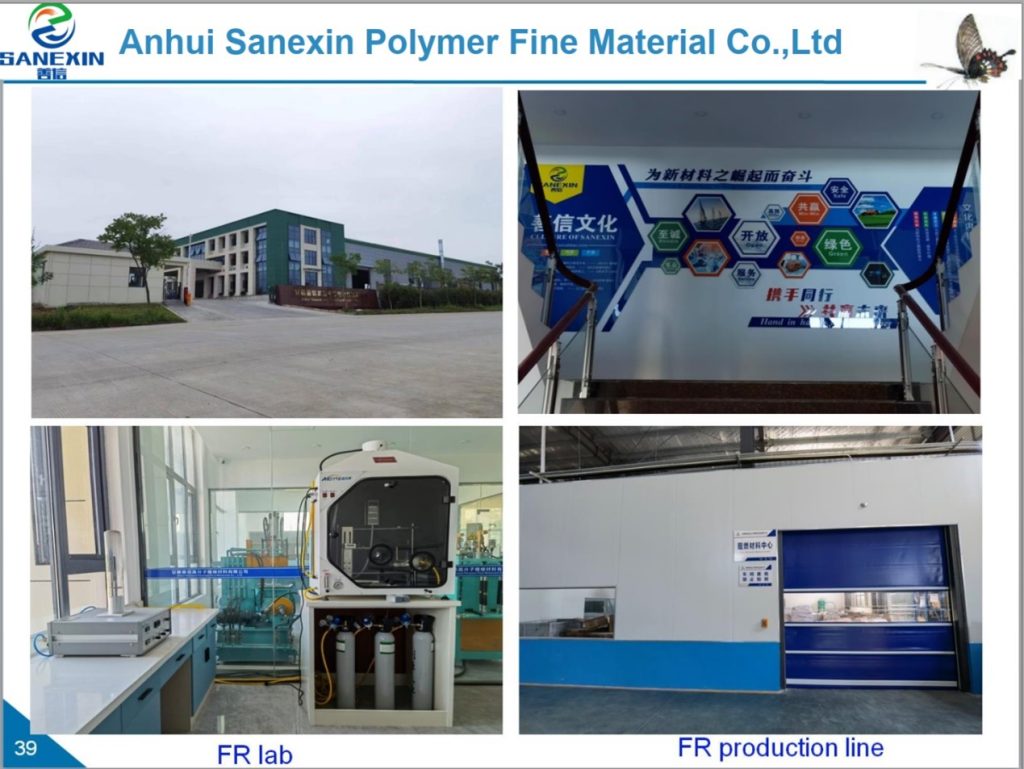
Plant: Baishou Road, North District of Xuan Zhou Economic Development Zone, Xuan Cheng City, Anhui Province, China. Commercial: Room 503, Building 1, Huixin International Edifice, No. 150 Puhuitang Road, Xuhui District, Shanghai, China 200030.
11. Summary and Key Takeaways
11.1 Executive Summary
The GreenThinking® FR Series offers a comprehensive portfolio of halogen-free, REACH and RoHS compliant flame retardants engineered for rubber compounds and silicone sealants. As a premier EPDM Rubber Flame Retardant Manufacturer, Sanexin delivers proven solutions for the most demanding applications. Each product addresses specific performance priorities:
- FR99RP: The flagship balanced performer—delivers V-0 with superior mechanical properties, heat aging resistance, and compression set
- FR98RP: The high-LOI option—offers maximum oxygen index at the expense of physical properties and durability
- FR76RP: The ultra-fine specialist—engineered for silicone sealants with exceptional dispersion and smooth surfaces
11.2 Key Technical Findings
- FR99RP outperforms FR98RP in EPDM formulations across tensile strength, elongation, curing speed, heat aging resistance, compression set, and resilience—while still achieving UL94 V-0
- FR98RP’s only advantage is higher LOI (42.3% vs 35.4% in EPDM at 80 phr)—this comes at significant cost to overall performance
- FR76RP’s ultra-fine particle size (2.65 μm) and surface modification enable superior dispersion, smooth surfaces, and anti-drip properties critical for silicone sealant applications
- All FR Series products are halogen-free—containing no PBBs, PBDEs, chlorine, fluorine, or antimony trioxide
- All FR Series products meet international regulatory standards—REACH, RoHS 2.0, and WEEE compliant
11.3 Decision Matrix
| If you need… | Choose… |
| Best overall balance of V-0 + mechanical properties + durability | FR99RP |
| Maximum LOI (oxygen index) | FR98RP |
| Silicone sealant with smooth surfaces and anti-drip | FR76RP |
| UL94 V-0 in EPDM with high performance | FR99RP |
| UL94 V-0 in NBR with good resilience | FR99RP |
| GB/T 24267-2009 compliant building sealant | FR76RP |
11.4 Why Choose Sanexin?
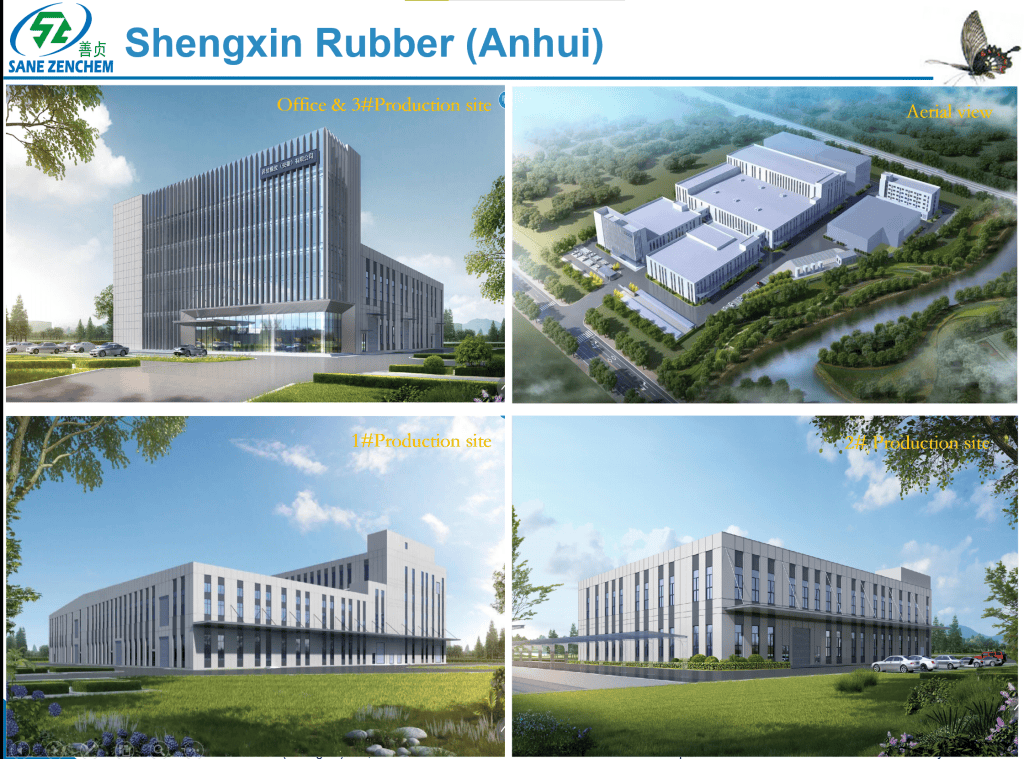
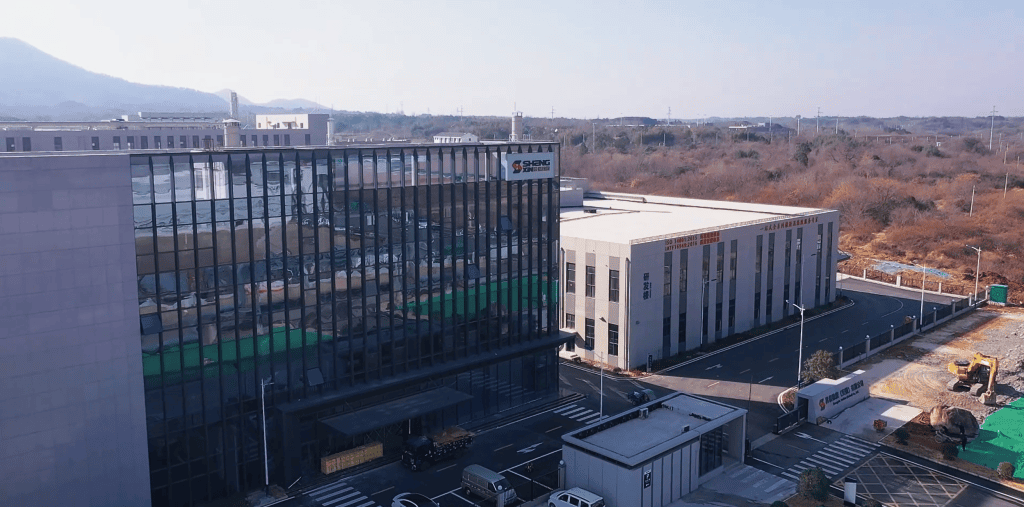
- Technical Expertise: Deep compounding expertise with one of China’s Top 5 custom compounding facilities

- Proven Performance: Mature EPDM formulations with FR Series have passed UL certification
- Regulatory Compliance: All products REACH, RoHS, and WEEE compliant
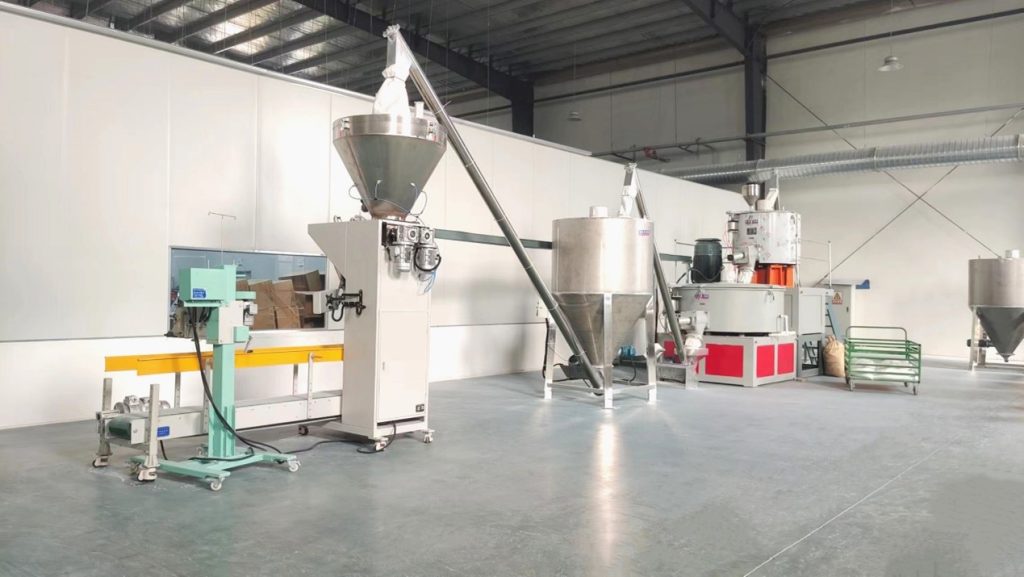
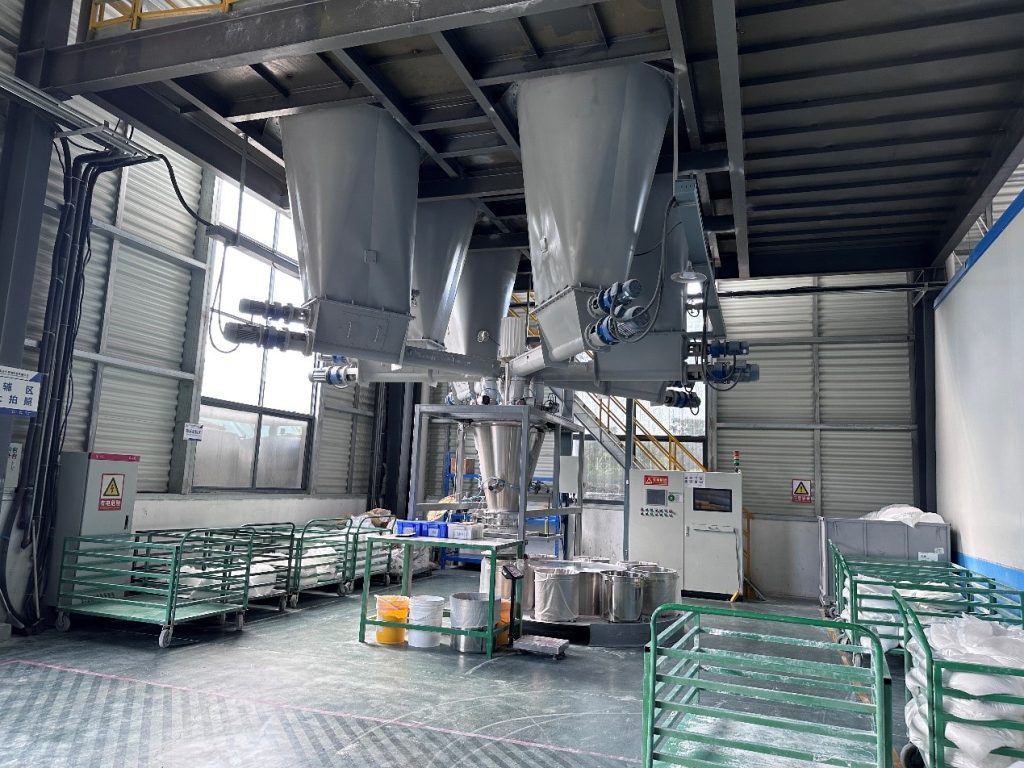
- Manufacturing Excellence: Ultra-fine processing and surface modification capabilities
- Application Support: Technical team available for formulation optimization and qualification support
12. Contact Information
Plant Address:
Baishou Road, North District of Xuan Zhou Economic Development Zone
Xuan Cheng City, Anhui Province, China
Commercial Address:
Room 503, Building 1, Huixin International Edifice, No. 150 Puhuitang Road, Xuhui District, Shanghai, China 200030
Tel: +86 21 6487 9251
Email: yorichen@sanezen.com / kevenwang@sanezen.com
Website: www.sanezenrubber.com
 English
  Spanish
  Russian