1. Introduction
In the rubber industry, rubber compounds serve as the foundational raw material matrix. Their mechanical properties directly dictate the operational lifespan, safety thresholds, and functional performance limits of the final elastomeric components. Within a standard compound formulation, fillers constitute a significant portion of the total mass—typically ranging from 30% to over 60%. Consequently, they act as a core determinant governing the overall mechanical performance of the rubber matrix.
While traditional carbon black reinforcements have historically dominated the elastomer industry, modern constraints regarding green manufacturing, specialized functionality, and lightweight design are shifting industry paradigms. Traditional carbon black reinforces effectively but restricts color freedom and cannot meet specific non-black functional demands. Thus, identifying an advanced, non-black alternative to carbon black in rubber has evolved into an urgent strategic priority for material engineers. Modern rubber compounding relies heavily on a specialized functional filler for rubber compounding to unlock properties far beyond simple volumetric extension.
The reinforcing effect of functional fillers on rubber compounds is not a basic, passive filling phenomenon. Instead, it involves a multi-layered, highly sophisticated network of interactions, including filler-elastomer interfacial bonds, the spatial configuration of filler networks, and micro-scale stress transfer mechanics. Factors such as the chemical composition, microcrystalline morphology, particle size distribution, and surface topography of the filler yield vastly differentiated reinforcing performance. For instance, amorphous structures achieve robust interfacial bonding via high specific surface areas, while acicular structures deliver targeted directional reinforcement utilizing high aspect ratios, and spherical structures establish an optimal equilibrium between thermal dissipation and electrical isolation. Deciphering the underlying physical and chemical mechanisms behind these geometries is critical for guiding raw material selection and optimizing advanced formulation architectures. This white paper systematically evaluates the reinforcement pathways of various functional filler geometries from a fundamental theoretical perspective and showcases the commercial value of these advanced filler matrices using the GreenThinking® product portfolio engineered by Sane ZenChem (Sanexin Group).
2. Theoretical Foundations of Filler Reinforcement
2.1 Hydrodynamic Effect and the Einstein-Guth-Gold Equation
The most fundamental mechanical contribution of a filler to an elastomer matrix originates from the hydrodynamic effect. When rigid, non-deformable filler particles are uniformly dispersed within a continuous rubber matrix, they occupy a specific volume fraction. This forces the long-chain polymer macromolecules to flow around these rigid obstacles during macroscopic deformation, which induces a significant increase in the compound’s raw shear and tensile modulus. This basic phenomenon is mathematically quantified by the classic Einstein-Guth-Gold equation:
Where represents the macro-modulus of the filled rubber compound,
is the modulus of the unfilled raw gum elastomer, and
denotes the operational volume fraction of the filler. While this equation accurately models rigid spherical particle behavior under low-filler loading and small-strain regimes, actual industrial formulations often exceed these theoretical limits. When compounding a high loading rubber filler system, intense particle-particle interactions, localized spatial networking, and the development of an immobilized boundary layer cause the real-world reinforcement values to diverge sharply from basic hydrodynamic predictions.
2.2 Interfacial Bonding and Bound Rubber Theory
The cross-boundary interfacial interaction between filler particle surfaces and the surrounding polymer matrix is the primary driver of physical reinforcement. According to Bound Rubber Theory, the active surfaces of filler particles adsorb a closely held layer of polymer chains. The segment mobility of these adsorbed macromolecules is profoundly restricted, causing this interfacial boundary layer to exhibit a physical state that mirrors a high-modulus, vitrified glass-like phase.
The synthesis of this bound rubber layer operates through two primary mechanisms: physical adsorption (where long-chain polymers are bound to the filler topography via secondary van der Waals forces or hydrogen bonding networks) and chemical cross-linking (where surface-active functional groups on the filler directly engage in covalent chemical bonding with the elastomer backbones). The localized thickness and cross-link density of this bound rubber layer dictate how efficiently macro-scale mechanical stresses transfer from the flexible rubber matrix to the rigid filler particles, ultimately governing key performance metrics such as ultimate tensile strength, tear propagation, and abrasion resistance.
Maximizing this bound rubber fraction requires a high performance rubber reinforcing filler capable of generating high-energy bonds across the interface. This immobilized layer is a critical structural prerequisite when selecting a specialized rubber filler to improve tensile strength under heavy dynamic loads. Fillers with massive specific surface areas maximize bound rubber content; for example, nano-scale fillers exhibit surface areas spanning 100-230 m²/g, drastically outperforming micro-scale alternatives (0.2-55 m²/g) in generating interfacial entanglement.
2.3 Filler Networks and the Payne Effect
When the volumetric loading of a filler within an elastomer matrix surpasses a distinct threshold known as the percolation limit, individual filler aggregates begin contacting one another, assembling a continuous, three-dimensional spatial filler network. This internal network imparts a highly non-linear dynamic mechanical behavior to the filled compound, a phenomenon globally recognized as the Payne Effect. The Payne Effect is characterized by a rapid, non-linear drop in the dynamic storage modulus () as the dynamic strain amplitude escalates.
Mechanistically, this drop reflects the progressive physical breakdown of the filler-filler network under large strains, where primary particle-particle contacts are stripped apart and replaced by filler-elastomer interfaces. While a robust filler network provides substantial stiffness under static conditions, it induces severe hysteretic energy losses and high dynamic heat buildup under cyclic deformations. Consequently, managing the magnitude of this network is critical for dynamic applications like high-performance tires. Sane ZenChem’s surface-treated nano-reinforcing agents alleviate this challenge by optimizing particle dispersion and suppressing excessive network formation, acting as a highly effective low Mooney viscosity rubber filler that preserves compound processing fluidity without sacrificing mechanical properties.
2.4 Stress Transfer and the Mullins Effect
Another pivotal mechanism of elastomer reinforcement involves macro-to-micro stress transfer. Under external mechanical deformation, stress fields propagate through the filler-elastomer interface from the matrix to the rigid particles, and the cross-boundary interfacial bond strength determines this stress distribution efficiency. If the interface is robust, the filler particles bear and disperse the incoming stress fields, boosting tensile and tear resistance. Conversely, if the interfacial bond is weak, localized stress concentrations trigger dewetting and interfacial slippage, resulting in the Mullins Effect—the pronounced stress-softening phenomenon observed when an elastomer undergoes cyclic tensile deformation.
The severity of the Mullins Effect correlates directly with the filler’s surface energy, particle geometry, and spatial structure. Low-structure, spherical particles experience lower localized stress concentrations and exhibit a much milder Mullins degradation loop. This micromechanical selection is vital when engineering a rubber filler for sealing applications to minimize hysteresis loss, prevent micro-void propagation, and limit permanent set under cyclic loading environments.
3. Reinforcement Mechanisms of Different Filler Morphologies
3.1 Amorphous Structure Fillers: High Specific Surface Area Reinforcement
Amorphous fillers represent one of the most widely utilized reinforcement categories in the rubber industry, encompassing precipitated silica, fused silica flour, and nano-silica-aluminum alloys. Their primary reinforcing mechanism relies on an exceptionally large specific surface area, which provides dense arrays of physical adsorption sites and chemical bonding coordinates for the polymer chains, maximizing bound rubber synthesis. For instance, high-tier precipitated silica features specific surface areas of 140-230 m²/g. The dense concentration of silanol groups (Si-OH) across its amorphous surface forms extensive hydrogen bonds with the elastomer matrix, elevating tensile strength and modulus. However, the highly polar nature of untreated silanol surfaces also drives strong filler-filler agglomeration, creating an intense Payne Effect that can complicate compounding rheology.
Sane ZenChem’s PT series of highly dispersible, reinforcing amorphous silicas represents a premium benchmark for this morphology. Engineered with a strictly controlled median particle size (D50) of 8-15 μm, a specific surface area of 140-230 m²/g, and a whiteness rating of 94%-100%, the PT series serves as a highly efficient white reinforcing filler for rubber. It delivers mechanical reinforcement profiles that closely match premium carbon blacks in high-end applications like food-grade rubber components and medical-device seals. Concurrently, for aesthetic and functional consumer designs, it represents a premium high whiteness rubber filler for light color products, offering optical clarity and pristine color development.
For chemically aggressive environments, the RS series of high-purity, ultra-fine silica flour prioritizes absolute chemical inertness and advanced electrical isolation, featuring a low specific surface area (0.6-2.0 m²/g) and minimal oil absorption (17-26 g/100g). For heavy-duty operations, the NSA series nano-silica-aluminum alloy provides a superior rubber filler for conveyor belt compounds due to its balanced abrasion, flame-retardant, and insulating properties, leveraging its D50 of 0.4-0.7 μm and Al-O-Si structural backbones to resist severe mechanical wear.
3.2 Acicular (Needle-Like) Structure Fillers: Aspect Ratio Driven Orientation
Acicular fillers, typified by premium mineral wollastonite (CaSiO₃), operate via a reinforcement mechanism fundamentally distinct from amorphous systems. These needle-like crystalline structures possess high structural aspect ratios. During high-shear processing operations such as internal mixing, calendering, and extrusion, these acicular crystals align parallel to the material flow direction, forming an in-situ micro-composite matrix akin to an array of “microscopic rebars”.
This directional alignment yields excellent anisotropic reinforcement, endowing the compound with exceptional tensile strength and high modulus along the orientation axis while maintaining baseline elasticity cross-grain. Furthermore, during a macro-fracture event, the physical pulling out of these high-aspect-ratio needles from the vitrified polymer matrix absorbs massive amounts of mechanical energy, suppressing crack propagation and dramatically boosting tear resistance.
Sane ZenChem’s WL series of surface-modified wollastonite crystals is an industry benchmark for acicular reinforcement. Featuring a D50 of 4.4-8.8 μm and a specific surface area of 45-55 m²/g with an oil absorption of 90-91 g/100g, the WL series undergoes advanced organofunctional surface modification. This chemistry replaces the mineral’s native hydrophilic traits with an organophilic surface layer, maximizing chemical wetting and cross-boundary adhesion with target polymers. The WL series represents an exceptional rubber filler for FKM fluorocarbon rubber systems, providing excellent chemical, oil, and heat resistance. This morphology also makes it an ideal rubber reinforcing filler for automotive seals operating under severe dynamic shear, where component geometry must remain stable under sustained high-pressure exposure. Recommended dosages range from 10 to 40 Phr depending on compound specifications.
3.3 Spherical Structure Fillers: Low Stress Concentration and Functionalization
The engineering advantage of spherical fillers lies in their isotropic geometric symmetry. Spherical particles lack sharp crystalline facets or structural vertices, meaning they do not generate localized stress concentration zones when under load. As a result, elastomers filled with spherical geometries exhibit minimal Mullins effect behavior, low mechanical hysteresis, and exceptional dynamic fatigue resistance. Furthermore, regular spheres possess the highest theoretical packing density among all geometric shapes. This enables high volumetric loading levels while maintaining low compound viscosity and excellent processing flowability—a characteristic critical for formulating highly functional elastomer compounds.
Sane ZenChem addresses these requirements with two distinct spherical material designs. The SA series of thermally conductive spherical alumina particles features a D50 spectrum spanning 1.02 to 77.5 μm paired with low specific surface areas (0.2-1.4 m²/g). This material serves as a premier thermal conductive filler for rubber sealing systems, achieving highly efficient thermal dissipation paths in electric vehicle battery packs, high-output electronic enclosures, and thermal seals while avoiding electrical breakdown.
Complementing this is the FF280U special anti-fatigue agent, an ultra-fine spherical material with a D50 of 0.15 μm and a specific surface area of 21 m²/g. Boasting a neutral pH, low moisture retention, and minimal surface chemical reactivity, FF280U minimizes dynamic heat buildup and hysteretic losses under severe cyclic strain. This morphology makes it highly effective for specialty compounds like epichlorohydrin rubber (ECO) and dynamic components requiring rigorous flex-fatigue life.
3.4 Platelet/Flake Structure Fillers: Multifunctional Enhancement and Tortuous Paths
Platelet or flake-shaped functional fillers utilize a multi-dimensional reinforcement mechanism that provides an excellent balance of physical properties and barrier processing traits. Mechanically, the planar orientation of these micro-flakes provides two-dimensional reinforcement across the entire plane of alignment, imparting high tensile strength and elevated modulus. From a transport phenomena perspective, these overlapping parallel plates create a “geometric labyrinth effect”. Gas or solvent molecules attempting to permeate through the rubber matrix cannot travel in a direct line; instead, they are forced into highly tortuous paths around the high-aspect-ratio edges of each nano-flake, significantly extending the diffusion distance and lowering the overall permeability coefficient.
Sane ZenChem’s GreenThinking® PF series of functional nano-reinforcing fillers represents a benchmark in platelet-structured mineral engineering. Selected from high-whiteness natural composite mineral crystals and refined via advanced submicron processing, the bulk of the PF series operates within the nano-scale domain. Its organophilic surface treatment makes it an outstanding easy dispersing rubber filler, preventing agglomeration at elevated concentrations. The PF series features a high specific surface area, low bulk density, and optimized particle size distribution, yielding low Mooney viscosity, excellent extrusion tracking, minimal die swell, and enhanced dimensional stability. Furthermore, its unique crystalline mineral nature establishes it as an excellent electrical insulating filler for rubber applications, effectively preventing dielectric breakdown in high-voltage cable jackets and insulating seals.
4. Influence Paths of Functional Fillers on Critical Mechanical Properties
4.1 Tensile Strength and Modulus
Ultimate tensile strength reflects an elastomer’s ability to resist catastrophic failure under peak mechanical strain. Functional fillers enhance tensile metrics through three primary pathways: increasing bound rubber content to arrest micro-crack propagation, developing an optimized spatial filler network to share macroscopic loads, and minimizing internal stress concentrations via controlled particle geometry and uniform spatial dispersion.
Empirical testing data from Sane ZenChem’s laboratories reveals that the advanced platelet nano-filler PF87 achieves a peak tensile strength of 15.87 MPa. This performance surpasses the major US benchmark (15.14 MPa) and outperforms standard options like Chinese Competitor 1 (11.03 MPa) and Chinese Competitor 2 (8.26 MPa). This confirms that engineered platelet configurations can optimize stress distribution across the interface to prevent premature structural failure. Regarding modulus, PF91 delivers a 100% elongation modulus of 3.69 MPa, providing structural rigidity during early-stage strains through a combination of planar orientation and controlled network stiffness.
4.2 Abrasion and Tear Resistance
Mechanical wear and abrasion resistance are vital for industrial components like tires, heavy seals, and mining equipment. Fillers enhance abrasion resistance by introducing high intrinsic mineral hardness (e.g., silica flour registers a Mohs hardness of 7, while spherical alumina reaches 9) and by strengthening the rubber matrix to resist micro-tearing and frictional peeling. For tear propagation resistance, acicular structures utilize a fiber-pullout mechanism to absorb strain energy, while specialty organic materials leverage macromolecular energy dissipation.
Sane ZenChem’s LC series of natural lignin utilizes this macromolecular energy dissipation mechanism. As a 100% bio-based, low-specific-gravity filler, the LC series acts as a green reinforcement agent that improves tear strength while supporting lightweighting and environmental initiatives.
4.3 Compression Set
Compression set measures an elastomeric seal’s capacity to maintain its sealing force and recover its original geometry after prolonged compressive deformation. High compression set values indicate a loss of long-term elastic sealing functionality. The introduction of traditional fillers often worsens compression set by increasing compound rigidity and creating rigid filler-filler structures that undergo permanent relocation under load.
However, precisely engineered functional nano-fillers can optimize the cross-linking network to improve elastic recovery. Sane ZenChem’s PF91 exhibits a compression set of just 23.33%, which is significantly lower than the US competitor’s 41.38%. Furthermore, PF93 achieves a compression set of 20.00% within peroxide curing systems, demonstrating that specialized platelet structures can maintain elastic recovery under long-term mechanical strain.
4.4 Aging Resistance
During practical service, industrial elastomers experience continuous thermo-oxidative aging that degrades cross-link networks and reduces mechanical properties. Functional fillers can mitigate this degradation through three primary mechanisms: chemical inertness (where passive mineral fillers resist oxidation and slow oxygen diffusion), network stabilization (where advanced surface treatments improve the thermal stability of cross-links), and thermal dissipation (where conductive fillers reduce localized heat accumulation during processing and service).
Under strict hot-air aging testing (100°C × 168h), Sane ZenChem’s PF91 exhibited a tensile strength change of +9.0%—making it the only sample evaluated to achieve a positive evolution in properties. In contrast, the German benchmark dropped by -15.4%, while Chinese Competitors 1 and 2 fell by -42.9% and -40.2%, respectively. This indicates that PF91 helps protect the cross-link network under thermal fields, triggering a controlled secondary micro-crosslinking that design-compensates for polymer chain degradation. This performance profile establishes it as a highly reliable rubber filler with good aging resistance for demanding sealing applications.
5. Sane ZenChem Functional Filler Product Portfolio & Application Practice
5.1 Product Matrix Overview
Sane ZenChem (Sanexin Group) is an enterprise specializing in the research, development, and high-tier manufacture of advanced functional materials. Through years of collaborative R&D led by an expert material science team, the company has engineered a comprehensive product matrix under the GreenThinking® brand. This portfolio spans amorphous, acicular, spherical, and platelet geometries to address applications ranging from general rubber goods to specialized engineering seals.
Table 1 – Comprehensive Functional Filler Product Matrix
| Product Series | Morphology / Structure | D50 (μm) | Specific Surface Area (m²/g) | Key Functions | Loading (Phr) |
| NSA Series | Amorphous Nano-Al-Si | 0.4–0.7 | 14–17 | Abrasion resistance, flame retardancy, electrical insulation | 10–50 |
| WL Series | Acicular Wollastonite | 4.4–8.8 | 45–55 | High aspect reinforcement, oil resistance, impact toughness | 10–40 |
| RS Series | Amorphous Fused Silica | 2.2–10.0 | 0.6–2.0 | Chemical inertness, electrical insulation, low wear | 15–30 |
| SF Series | Amorphous Silica Complex | 1.72 | 87.8 | Thermal conductivity, reinforcement, abrasion resistance | 15–50 |
| PT Series | Amorphous Precipitated | 8.0–15.0 | 140–230 | High reinforcement, premium optical transparency | 10–80 |
| FF280U | Spherical Low-Structure | 0.15 | 21.0 | High fatigue resistance, uniform stress dispersion | 15–35 |
| SA Series | Spherical Alumina | 1.02–77.5 | 0.2–1.4 | High thermal conductivity, electrical isolation | 30–150 |
| PF Series | Platelet Nano-Mineral | 0.8 | 60–70 | Nano-reinforcement, gas barrier, smooth processing | 10–80 |
| FB Series | Amorphous Silicate | 1.3–13.5 | 9–15 | Acid/alkali resistance, oil swelling resistance | 15–45 |
5.2 PF Series Nano-Reinforcing Agents: Data-Driven Verification
To verify the performance of the GreenThinking® PF series nano-reinforcing agents, Sane ZenChem conducted a comparative evaluation using a challenging rubber filler for EPDM compound formulation.
- Test Formula Matrix: EPDM @ 100 Phr; Test Filler @ 130 Phr; Paraffinic Process Oil @ 30 Phr.
- Vulcanization Threshold: Press-cured at 175°C × 6 minutes.
This evaluation compared Sane ZenChem’s PF87, PF91, PF93, and PF82 against premium European and US benchmarks alongside two standard Chinese market alternatives. This high-filler testing environment serves as an ideal baseline for evaluating the best rubber filler for colored rubber products, where physical properties cannot be sacrificed for color aesthetics.
Table 2 – Physical Property Comparison: PF Series vs. Global Competitors
| Property | PF87 | PF91 | PF93 | PF82 | German Comp. | US Comp. | Chinese Comp. 1 | Chinese Comp. 2 |
| Hardness (Shore A) | 59 | 63 | 59 | 59 | 59 | 62 | 61 | 60 |
| Modulus at 100% Elongation (MPa) | 2.55 | 3.69 | 2.38 | 2.34 | 2.13 | 2.40 | 2.79 | 1.85 |
| Tens Strength (MPa) | 15.87 | 10.99 | 10.85 | 14.21 | 10.27 | 15.14 | 11.03 | 8.26 |
| Elongation at Break (%) | 667 | 433 | 576 | 646 | 540 | 637 | 540 | 523 |
| Compression Set (%) | 46.67 | 23.33 | 20.00 | 26.83 | 24.82 | 41.38 | 18.75 | 27.53 |
| Change in Tensile after Aging (%) | –12.7 | +9.0 | +1.9 | –39.5 | –44.8 | –15.4 | –42.9 | –40.2 |
The empirical results show that PF87 achieved the highest overall tensile strength (15.87 MPa) paired with an elongation at break of 667%. This demonstrates that the platelet nano-morphology can simultaneously provide high ultimate strength and high matrix elongation—a balance that is difficult to achieve with conventional mineral fillers.
Furthermore, PF91 and PF93 delivered low compression set values of 23.33% and 20.00%, respectively, significantly outperforming the US competitor’s 41.38%. This retention of elastic recovery is critical for dynamic sealing elements. Finally, PF91 was the only sample to achieve a positive tensile evolution (+9.0%) after hot-air aging, while the German benchmark fell by -15.4% and Chinese Competitor 1 dropped by -42.9%, demonstrating the thermal network stability of the PF series.
5.3 Application Scenarios and Selection Guide
Based on these structural and empirical analyses, material engineers can utilize the following selection guidelines to optimize compound performance:
- High-Reinforcement Non-Black Goods: The GreenThinking® PF series is recommended to replace standard carbon black, calcined clay, or precipitated silica. It provides mechanical reinforcement alongside low Mooney viscosity, minimal die swell, and smooth extrusion surfaces.
- Specialty Elastomers (FKM, ACM, HNBR): The WL series surface-treated wollastonite provides an optimal balance of structural reinforcement, oil-swelling resistance, and thermal stability in demanding automotive and oilfield seals.
- Thermal Management Systems: The SA series spherical alumina allows for high volumetric loading levels to establish efficient thermal dissipation pathways while maintaining the low compound viscosity required for injection molding battery seals.
- Dynamic, High-Flex Components: The FF280U spherical anti-fatigue agent should be selected to eliminate localized stress concentrations, minimize dynamic heat buildup, and extend service lifespans under cyclic strain.
- Sustainable Performance: The LC series natural lignin provides a 100% bio-based alternative for lightweighting initiatives, offering built-in antioxidant traits and a low specific gravity.
6. Filler Synergistic Effects and Future Outlook
6.1 Filler Blending Synergistic Effects
In modern industrial compounding, a single filler morphology rarely satisfies all performance specifications simultaneously. Blending complementary filler geometries is a common strategy to achieve a more balanced property profile. For example, combining precipitated silica with carbon black is an industry-standard method for reducing rolling resistance in tires while maintaining wet grip performance.
Similarly, blending spherical particles (like the SA alumina series) with platelet structures (like the PF series) can optimize both thermal conductivity and mechanical strength. In these hybrid systems, the smaller spherical particles fill the interstitial voids between the larger platelets, creating a dense packing network that improves thermal transfer while the platelets provide planar mechanical reinforcement. This geometric nesting also preserves compound flowability and reduces localized stress concentrations. The diverse product portfolio offered by Sane ZenChem provides engineers with the components needed to design customized filler blending configurations.
6.2 Green Sustainable Development Directions
As global regulatory frameworks prioritize environmental sustainability, the development of green, low-carbon-footprint fillers has become an important focus for the rubber industry. This movement involves the advancement of bio-based materials, renewable mineral processing, and low-emission manufacturing technologies. Sane ZenChem’s LC series of natural lignin aligns with this trend, offering a 100% bio-based origin, inherent thermo-oxidative stabilization, and a low specific gravity that supports vehicle lightweighting.
Concurrently, the PF series utilizes sustainably sourced natural composite minerals processed through energy-efficient micro-milling technologies. Future R&D in filler technology will continue to focus on expanding renewable and bio-based raw material streams, implementing low-emission closed-loop thermal processes during surface modification, and increasing particle surface activity so that lower overall filler loadings can achieve target reinforcement levels, thereby reducing overall material consumption.
7. Sane ZenChem Manufacturing & Technical Capabilities
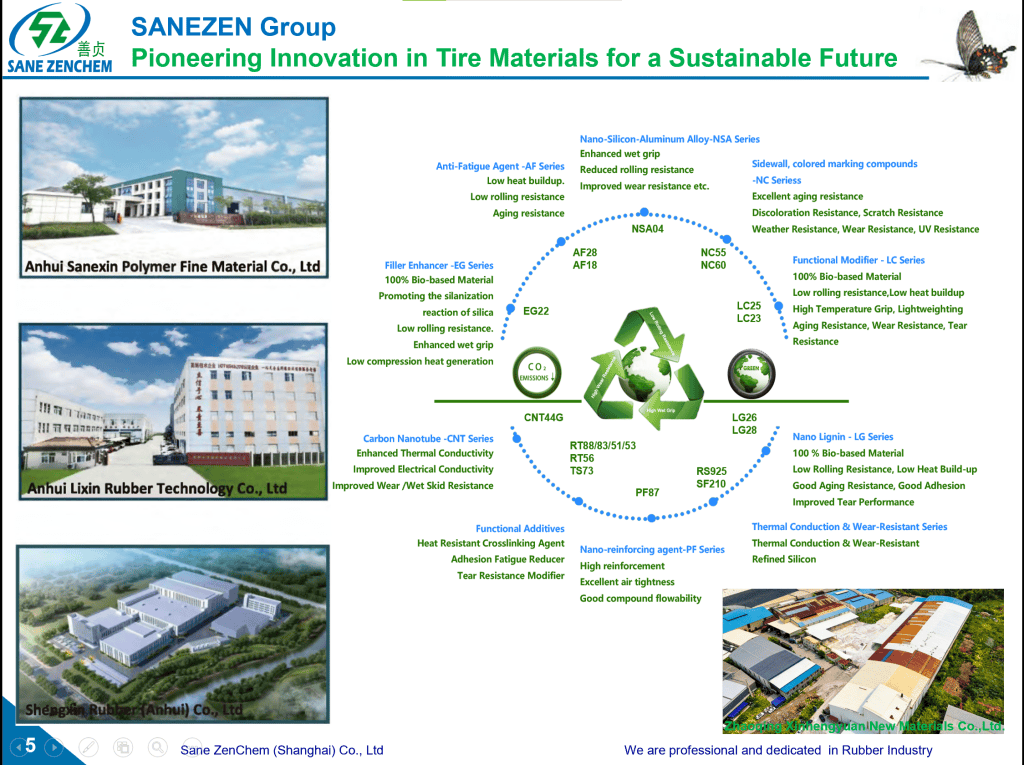
Sane ZenChem (Sanexin Group) pairs its material design theories with an integrated industrial manufacturing footprint across the Yangtze River Delta, managing the process from initial molecular R&D through to commercial-scale supply.
Manufacturing Scale Meets Interfacial Innovation: Inside China’s Top 5 Compounding Powerhouse
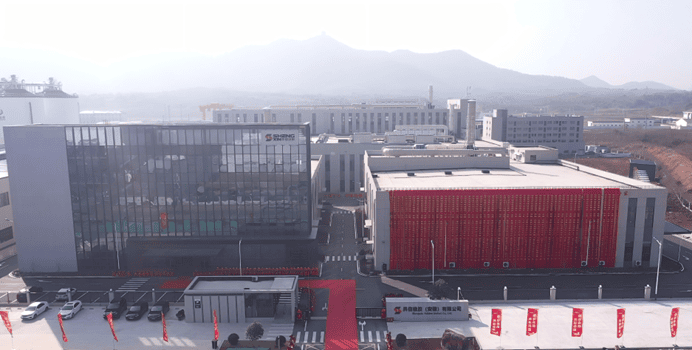
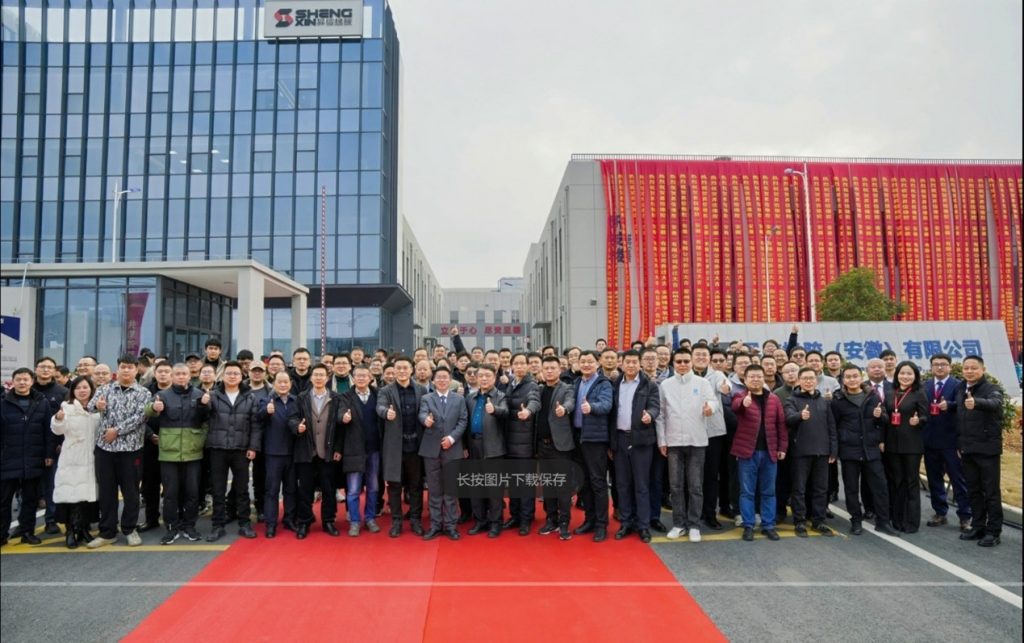
Behind every breakthrough in submicron-level reinforcement lies a foundation of robust, large-scale industrial execution. As one of the top five rubber compounding manufacturers in China, Sane ZenChem does not merely synthesize laboratory-scale additives; we engineer mass-production solutions. Driven by our newly upgraded, state-of-the-art compounding facility in Anhui Xuancheng and supported by our advanced technical centers in Shanghai and Changzhou, our infrastructure represents the absolute vanguard of modern, automated smart-factory engineering.
It is precisely this massive production scale, combined with our deep-rooted familiarity with global elastomer markets, that fuels our commitment to continuous development. By operating daily on the front lines of high-volume manufacturing, we intimately understand the real-world shop floor pain points—from erratic Mooney viscosity spikes to severe die swell—faced by formulation engineers today. This unique vantage point allows us to bridge the gap between complex micromechanics and commercial viability, empowering us to develop a specialized series of highly cost-effective functional fillers, such as GreenThinking® PF87, tailored to solve your toughest compounding bottlenecks.
7.1 Modernized Compounding Plant Capacity
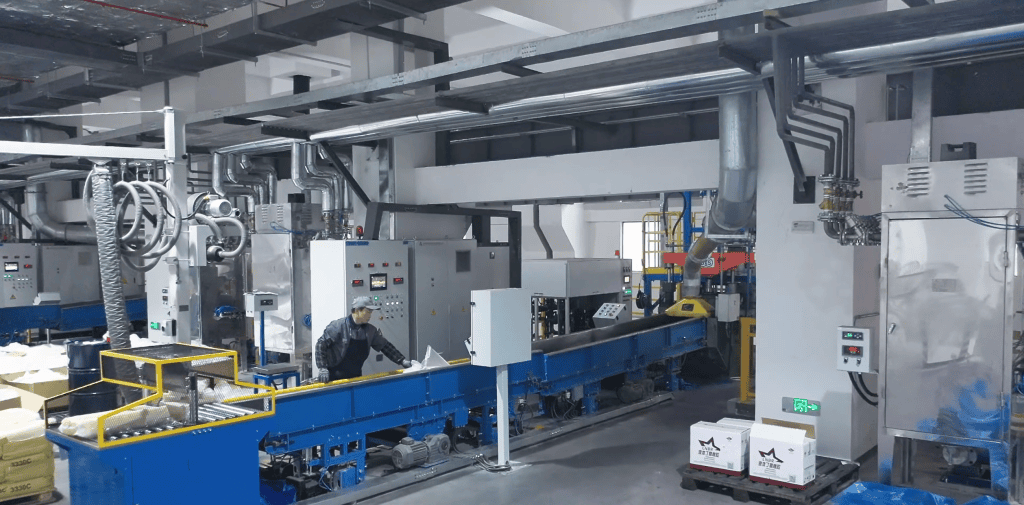
The company’s upgraded, intelligent rubber compounding production base in Xuancheng, Anhui Province, commenced full production in December 2025. This facility features fully automated, digitally managed internal mixing lines equipped with automated mass-proportional weighing systems and closed-loop supervisory control software. The production line manages the entire processing sequence—including raw gum mastication, automated additive feeding, twin-screw sheet extrusion, fine mesh strain filtering, and batch-off cooling—within a unified digital framework. This infrastructure supports the large-scale manufacture of specialty compounds (including high-performance EPDM, FKM fluorocarbon systems, and specialized HNBR matrices) while maintaining close control over batch-to-batch consistency, restricting Mooney viscosity and vulcanization variations to narrow tolerances.
[Factory Image Location: Aerial Panorama of the Automated Internal Mixing Hall, Xuancheng Intelligent Production Base]
ALT Description: Sane ZenChem’s intelligent rubber compounding facility in Anhui, showcasing fully automated high-capacity internal mixing lines and digital process control centers.
7.2 Advanced Filler Facility and Technical Center Strengths
For functional mineral processing and surface modification, the company operates dedicated fine-powder manufacturing assets alongside technical centers in Shanghai and Changzhou. These facilities utilize ultra-fine fluid-bed jet milling, high-efficiency turbine classification, and continuous automated surface-coating equipment.
For complex geometries like the GreenThinking® PF platelet series and the WL needle-like wollastonite series, these systems allow for close control over the median particle size (D50) while ensuring a uniform, single-layer chemical modification across the particle surfaces. The Shanghai and Changzhou technical centers are equipped with advanced analytical instrumentation—including Dynamic Mechanical Thermal Analyzers (DMTA), Moving Die Rheometers (MDR), and environmental aging laboratories—enabling the technical team to conduct material characterization and collaborate with global tire and industrial rubber goods manufacturers on customized formulation development.


8. Frequently Asked Questions (FAQs)
Q1: With respect to processing rheology and mechanical metrics, how does the GreenThinking® PF series functional nano-reinforcing filler outperform traditional calcined kaolin clay or standard precipitated silica?
Conclusion: The performance differentiation stems from the synergy of a highly anisotropic platelet morphology and an advanced organophilic surface treatment.
Technical Analysis: White premium precipitated silica provides strong mechanical reinforcement, its untreated surface contains a high concentration of polar silanol groups. This leads to strong filler-filler hydrogen bonding, creating a severe Payne Effect that manifests as high Mooney viscosity, slow filler incorporation during mixing, and rough extrusion surfaces. Traditional calcined clays often possess large, irregular particle sizes with low surface activity, acting primarily as semi-reinforcing extenders that compromise ultimate tensile and tear strength.
In contrast, the GreenThinking® PF series utilizes an engineered platelet geometry with an optimized submicron size distribution (D50 0.8 μm) and a high specific surface area. The continuous automated surface modification transforms the native hydrophilic mineral surface into an organophilic boundary layer, improving wetting and dispersion within the polymer matrix. This allows the compound to achieve high ultimate tensile strength (such as PF87 reaching 15.87 MPa) while limiting excessive filler-filler networking. This balance reduces raw compound viscosity, improves extrusion tracking, extends scorch safety margins, and shortens optimum cure times (
), helping manufacturers optimize processing throughput.
Q2: What are the underlying physical and chemical mechanisms that enable the PF91 grade to exhibit a +9% increase in ultimate tensile strength following hot-air aging at 100°C × 168h, while competitors experience significant degradation?
Conclusion: This performance relies on a “positive aging compensation mechanism” driven by stable platelet networks that facilitate secondary micro-crosslinking under thermal exposure.
Technical Analysis: When conventional filled elastomers undergo extended hot-air aging, the combination of thermal energy and atmospheric oxygen breaks down the main polymer chains and degrades the primary polysulfidic cross-links. This causes a loss of network density and a drop in ultimate tensile strength, with typical commercial benchmarks losing 15.4% to 42.9% of their initial strength.
PF91 mitigates this degradation through its surface-treated platelet mineral network, which exhibits high thermal stability and creates a tortuous path that retards oxygen diffusion into the matrix. When exposed to a sustained 100°C thermal field, this stable interface helps regulate the residual curing agents and coupling functional groups remaining in the compound matrix. Rather than undergoing destructive over-curing or chain scission, the localized thermal environment promotes a controlled secondary micro-crosslinking across the filler-elastomer boundary. This secondary network formation increases the local cross-link density, design-compensating for any thermal degradation of the primary polymer backbones and resulting in a net +9.0% evolution in tensile strength.
Q3: Through what micromechanical pathway does a spherical low-structure filler, such as the FF280U special anti-fatigue agent, improve the flex-fatigue life and crack-growth resistance of dynamic rubber components?
Conclusion: The mechanism operates by eliminating sharp stress concentration points through geometric symmetry and minimizing hysteretic heat buildup via a low-structure design.
Technical Analysis: Dynamic fatigue failure in elastomeric components typically originates at localized stress concentration zones bordering filler agglomerates or sharp crystalline vertices. Under cyclic mechanical strain, these high-stress fields trigger localized dewetting and micro-void formation, which coalesce into macroscopic cracks. The geometric symmetry of the spherical FF280U particles ensures an isotropic stress distribution across the interface, avoiding the sharp stress fields typical of acicular, plate-like, or high-structure aggregate fillers, thereby delaying micro-crack initiation.
Furthermore, FF280U consists of discrete, low-structure primary nano-spheres (D50 0.15 μm) that form a weak filler-filler spatial network. This weak network minimizes both the Payne Effect and the Mullins Effect, reducing internal friction, hysteretic energy losses, and dynamic heat buildup during rapid cyclic deformations. Lower heat accumulation helps prevent the thermal-mechanical degradation of the rubber matrix, preserving the elasticity of the compound and extending the service life of dynamic components under flexural stress.
9. Contact Us
Technical Support & Quick Inquiry Channel
The production base at Sane ZenChem Anhui Compounding Factory adheres to a quality-first approach, supported by a comprehensive customer quality testing system and verified service standards. We view our role not simply as a commercial rubber compound manufacturer, but as a technical partner equipped to define compound risks, resolve formulation pain points, and secure your production quality floor.
If you are experiencing batch-to-batch variation, high processing scrap rates with your current material solution, or are developing a new project that requires a compounding partner with deep technical expertise and scalable production capacity, please reach out to our technical advisory team. Provide us with your operational parameters and processing targets, and our laboratories will provide detailed rheological evaluations, customized formulation adjustments, and sample testing support. Let us collaborate to drive material innovation forward in the rubber industry.
- Intelligent Manufacturing Base: Economic and Technological Development Zone, Xuancheng City, Anhui Province, China.
- Quick Inquiry Channel: Email: yorichen@sanezen.com
- Global Web Portal: [www.sanezenrubber.com](https://www.sanezenrubber.com)
 English
  Spanish
  Russian