Engineers and product developers often face the challenge of sourcing materials that offer exceptional performance under demanding conditions. NBR/PVC rubber alloy represents a sophisticated solution, combining the inherent strengths of nitrile butadiene rubber and polyvinyl chloride to deliver enhanced flame and oil resistance. This polymer blend addresses critical industrial needs, providing a balanced material profile for applications where safety and durability are paramount. Understanding its composition and synergistic properties is key to unlocking its full potential.
What Makes NBR/PVC a True Rubber Alloy
A rubber alloy is a specialized blend of two or more polymers, engineered to combine the desirable properties of each component while mitigating their individual weaknesses. In the case of NBR/PVC, we are working with a blend of nitrile butadiene rubber (NBR) and polyvinyl chloride (PVC). NBR, a synthetic rubber, is known for its excellent resistance to oils, fuels, and many chemicals, alongside good mechanical properties. However, NBR alone possesses limited flame resistance. Polyvinyl chloride (PVC), on the other hand, is a thermoplastic polymer recognized for its inherent flame retardancy and good weathering characteristics. It typically lacks the flexibility and oil resistance required for many elastomeric applications.
When these two polymers are expertly blended, they form a polymer alloy that exhibits properties superior to either component alone. Our team at Sane Zenchem frequently works with clients to optimize these blends, recognizing that the ratio and compounding techniques significantly influence the final material performance. The precise interaction between the NBR and PVC chains creates a material with a unique balance of characteristics.
| Property | NBR (Nitrile Butadiene Rubber) | PVC (Polyvinyl Chloride) |
|---|---|---|
| Oil Resistance | Excellent | Poor |
| Flame Resistance | Poor | Good |
| Flexibility | High | Low (Rigid) |
| Abrasion Resistance | Good | Fair |
| Weathering | Fair | Good |
| Chemical Resistance | Good | Good |
A rubber alloy is a physical blend of two or more distinct polymers, designed to achieve a new material with a combination of properties not found in the individual constituents. This differs from a copolymer, where monomers are chemically linked within the same polymer chain. In an alloy, the individual polymer chains remain largely separate but are intimately mixed, often at a molecular level, to create a homogeneous material.
Nitrile butadiene rubber primarily contributes its outstanding oil resistant elastomers properties to the alloy. Its acrylonitrile content dictates the degree of oil and fuel resistance; higher acrylonitrile levels generally mean better resistance. NBR also provides the elasticity, flexibility, and good mechanical strength that are characteristic of rubber materials, ensuring the alloy retains its rubber-like performance.
Polyvinyl chloride is incorporated primarily for its inherent flame retardant properties. PVC is a halogenated polymer, meaning it contains chlorine atoms that act as a flame suppressant when exposed to heat. Beyond flame resistance, PVC also enhances the blend’s ozone resistance, weathering resistance, and provides a degree of rigidity and hardness, which can be adjusted based on the blend ratio.
How NBR/PVC Achieves Both Flame and Oil Resistance
The true value of NBR/PVC rubber alloy lies in its synergistic effects. This blend does not simply combine the properties of NBR and PVC; it enhances them through their interaction. For instance, the flame resistance of the alloy is significantly better than what one might expect from a simple additive effect of the PVC content. Similarly, the oil and fuel resistance remains high, even with the inclusion of PVC, which by itself has poor oil resistance. This synergy is critical for meeting stringent fire safety standards and demanding industrial requirements.
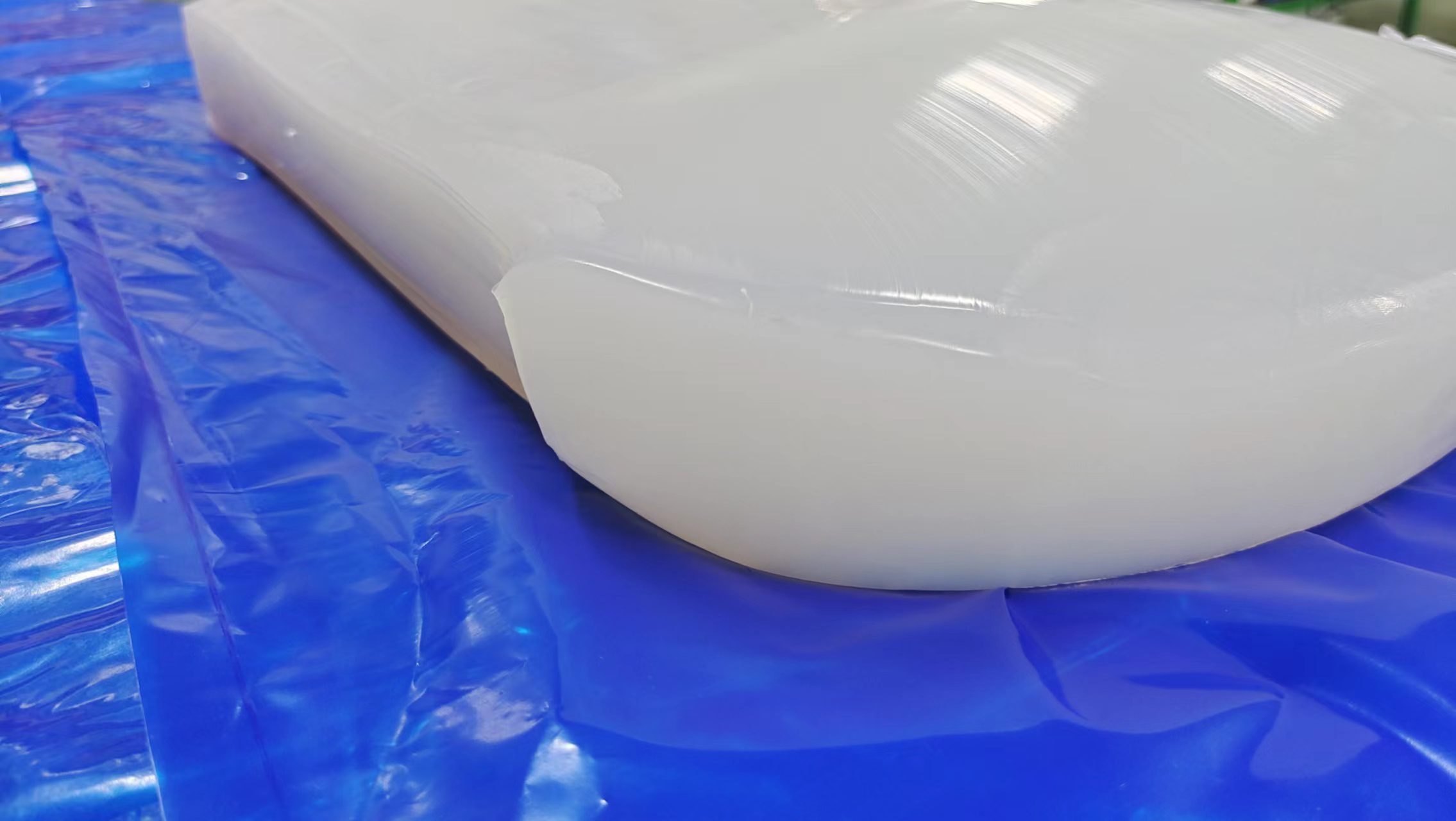
I recall a specific project where a client in the automotive sector required a material for fuel lines that needed to meet both a UL94 V-0 flame rating and resist aggressive automotive fluids. Traditional NBR compounds could handle the fuel, but failed the flame test. PVC compounds met the flame rating but lacked the flexibility and long-term fuel resistance. After analyzing their specific application parameters, we developed an NBR/PVC blend tailored to their needs. Through careful compounding and optimization of the NBR:PVC ratio, we achieved a material that not only passed the UL94 V-0 standard but also maintained its mechanical integrity after prolonged exposure to gasoline and diesel, a measurable outcome that allowed the client to proceed with their product launch.
The synergy in flame resistance stems from the decomposition of PVC. When exposed to heat, PVC releases hydrogen chloride (HCl) gas. This gas acts as a radical scavenger in the flame, interrupting the combustion process and forming a char layer that insulates the underlying material. This mechanism works in conjunction with the inherent thermal stability of NBR to suppress flame propagation effectively. For oil resistance, the NBR component provides the primary barrier, and the PVC, being largely immiscible, forms a separate phase that does not significantly detract from NBR’s ability to resist oil absorption.
The primary mechanism involves the release of halogenated compounds from PVC upon heating. These compounds dilute the flammable gases and interfere with the free radical chain reactions that sustain a flame. Additionally, the formation of a carbonaceous char layer on the surface of the burning material acts as a physical barrier, reducing heat transfer to the unburnt polymer and limiting the release of volatile, flammable gases. This dual action helps the material meet various fire safety standards, such as those set by ASTM standards and UL ratings.
The oil and fuel resistance of NBR/PVC alloys is predominantly governed by the nitrile butadiene rubber component. NBR’s polar nature, due to its acrylonitrile groups, makes it highly resistant to non-polar oils and fuels. The PVC component, while not inherently oil-resistant, is dispersed within the NBR matrix. When properly compounded, the PVC particles do not significantly compromise the NBR’s continuous phase, allowing the alloy to retain excellent chemical resistance against a wide range of petroleum-based fluids.
Where NBR/PVC Outperforms Standard NBR Compounds
While flame and oil resistance are primary drivers for selecting NBR/PVC rubber alloys, their broader performance profile makes them versatile materials for demanding environments. These alloys exhibit improved mechanical properties, better heat resistance, and enhanced environmental stability compared to NBR alone. This comprehensive performance ensures durability and reliability in challenging applications.
The fundamental difference lies in their property sets. NBR offers excellent oil resistance and flexibility but is flammable and has limited ozone resistance. NBR/PVC blends retain much of NBR’s oil resistance and flexibility but gain significant flame retardancy, improved ozone resistance, and better weathering characteristics from the PVC component. This makes NBR/PVC a more balanced elastomer performance material for applications requiring multiple resistances.
NBR/PVC alloys generally offer improved heat resistance compared to standard NBR. The PVC component contributes to higher thermal stability, allowing the blend to withstand elevated temperatures for longer periods without significant degradation. However, the maximum service temperature is often limited by the PVC’s decomposition point, which can be lower than some specialized NBR grades. Careful material selection is crucial for specific high-temperature requirements.
The inclusion of PVC significantly enhances the blend’s resistance to ozone and general weathering. NBR is susceptible to ozone attack, which can lead to cracking and degradation over time. PVC, being inherently more resistant to environmental factors like UV radiation and ozone, protects the NBR phase within the alloy. This makes NBR/PVC alloys suitable for outdoor applications or environments with high ozone concentrations where NBR alone would quickly fail.
Which Industries Rely on NBR/PVC Rubber Alloys
The unique combination of flame and oil resistance, coupled with other beneficial properties, positions NBR/PVC rubber alloys as a preferred material in numerous industrial sectors. These materials address specific challenges where safety, durability, and performance are non-negotiable. From automotive components to electrical insulation, NBR/PVC provides reliable solutions.
NBR/PVC rubber alloys are widely used in applications requiring resistance to both fire and petroleum-based fluids. Common uses include fuel hoses, hydraulic hoses, cable jacketing, conveyor belts, printing rollers, and various seals and gaskets in industrial machinery. Their ability to maintain integrity in harsh conditions makes them indispensable in critical infrastructure.
In automotive and industrial hoses, NBR/PVC is highly valued for its ability to resist degradation from oils, fuels, and coolants while also offering a degree of flame retardancy. This dual protection is vital for safety and operational longevity. For instance, in engine compartments, hoses are exposed to high temperatures and various fluids, and in the event of a fire, the flame-retardant properties of NBR/PVC can prevent rapid spread, improving overall system safety.
NBR/PVC alloys are often used in cable jacketing and electrical insulation due to their flame resistance. In these applications, preventing the spread of fire is critical. The material’s ability to self-extinguish or significantly slow down flame propagation reduces the risk of electrical fires escalating. Its good mechanical properties provide protection against abrasion and impact, ensuring the integrity of electrical systems in demanding environments. If your application involves cable jacketing or fuel system components, it is worth discussing specific flame ratings and fluid compatibility before committing to a compound formulation.
What to Consider When Compounding NBR/PVC Blends
Achieving the desired performance characteristics in NBR/PVC blends requires careful consideration of compounding and manufacturing processes. The compatibility of the two polymers, the choice of additives, and the vulcanization process all play crucial roles in determining the final properties of the rubber alloy. Precision in these steps is essential for maximizing the synergistic benefits.
One of the primary challenges in compounding NBR/PVC alloys is ensuring good polymer compatibility between the two distinct polymers. NBR is an elastomer, while PVC is a rigid thermoplastic. Achieving a homogeneous blend requires specific blending techniques, often involving shear mixing at elevated temperatures to promote adequate dispersion. The selection of appropriate plasticizers, stabilizers, and processing aids is critical to optimize processability and prevent phase separation during manufacturing.
Vulcanization, or curing, is a chemical process that transforms the plastic NBR/PVC blend into a more durable, elastic rubber. During vulcanization, cross-links are formed within the NBR phase, improving its mechanical strength, heat resistance, and compression set. While PVC itself does not undergo vulcanization, its presence in the blend can influence the curing kinetics and the overall cross-link density of the NBR phase. Proper control of vulcanization time and temperature is essential to achieve the desired balance of flexibility, strength, and environmental resistance in the final NBR/PVC product.
To discuss requirements for NBR/PVC compounds or other specialized rubber materials, contact Sane Zenchem at yorichen@sanezen.com or +86 136 7164 1995.
Frequently Asked Questions
What is the maximum service temperature for NBR/PVC alloys?
While NBR/PVC alloys offer improved heat resistance compared to NBR alone, their maximum service temperature is generally limited by the PVC component, typically in the range of 80 to 100 degrees Celsius for continuous exposure. For extreme high-temperature environments exceeding this range, alternative elastomers such as fluorocarbon rubber or silicone may be more suitable, depending on specific requirements.
How are environmental concerns addressed in NBR/PVC production?
The production of NBR/PVC alloys involves standard polymer processing techniques. Manufacturers focus on optimizing rubber compounding processes to minimize waste and energy consumption, adhering to environmental regulations for responsible material production and handling. Some facilities have implemented closed-loop systems for plasticizer recovery and dust collection to reduce emissions.
Can vulcanized NBR/PVC alloys be recycled?
Recycling NBR/PVC alloys can be challenging due to their thermoset nature after vulcanization and the blend of two different polymers. While some efforts are made in mechanical recycling (grinding and reusing as filler), chemical recycling methods are also being explored to recover valuable polymer components. The presence of PVC adds complexity due to chlorine content considerations.
How does NBR/PVC pricing compare to specialty elastomers?
NBR/PVC alloys often present a cost-effective solution for achieving specific flame and oil resistance properties compared to more expensive specialty oil resistant elastomers like fluoroelastomers or hydrogenated nitrile rubber. Their competitive pricing makes them attractive for applications requiring a balance of performance and budget, particularly in high-volume applications like hose and cable jacketing.
Which chemicals can degrade NBR/PVC alloys?
While NBR/PVC alloys offer excellent chemical resistance to many oils and fuels, their performance can vary with exposure to strong acids, bases, or certain solvents such as ketones and chlorinated hydrocarbons. It is crucial to test the material against the specific chemicals encountered in the application environment. For applications involving aggressive solvents, reach out to discuss compatibility testing options.
If you’re interested, check out these related articles:
functional additives
application value internal release agentsin rubber manufacturing focusing on demolding efficiency mold protection product quality
highperformance rubber antireversion agent enhanced tire shock absorber durability
choosing right halogen free flame retardant manufacturer how redefines flame retardant rubber compounds railway applications
 English
  Spanish
  Russian