Overcoming Heat Buildup and Reversion in Heavy Duty Rubber: GreenThinking® Crosslinking Stabilization Technology
In the manufacturing of high frequency dynamic components such as bridge seismic isolation bearings, heavy duty industrial dampers, and heavy duty TBR tire treads, ensuring long term mechanical stability and ultra low heat buildup under cyclic loading is a core industry challenge. As a recognized natural rubber additive supplier and rubber chemical manufacturer China, we have developed targeted solutions that function as both a rubber anti reversion agent and a low heat buildup additive, while also offering complementary additives for heavy duty damping products. Our GreenThinking® platform provides natural rubber anti reversion agents that address the root causes of premature failure.
However, traditional formulations frequently encounter a frustrating “Service Life Discrepancy”: static indicators fully meet specifications, yet dynamic stiffness drift, heat accumulation, and early fatigue cracking in actual operation far exceed laboratory expectations. This systemic deviation confirms that relying solely on static metrics overlooks the microscopic degradation of polymer and filler networks under long term cyclic stress.

1. The Coupled Stress Matrix: Two Fatal Failure Mechanisms of Dynamic Rubber Components
During real world service, dynamic rubber parts face a coupled stress matrix of heat, oxygen, internal high frequency shear, and multi directional loads. Intense internal heat buildup arises from hysteresis loss, and this localized heat spike triggers two deep seated failure mechanisms:
- Crosslinking Network Thermal Degradation (Reversion) – High sulfur or polysulfide bonds break under high strain thermal effects, causing disordered network destruction and a rapid drop in shear modulus retention. Understanding how to prevent sulfur reversion in natural rubber is therefore essential for extending service life.
- Filler Network Re agglomeration (Payne Effect Degradation) – Uneven carbon black dispersion leads to flocculation and stress concentration under dynamic shear, raising the dynamic to static stiffness ratio of damping components or increasing tan δ in tire treads. Hence, preventing payne effect degradation and carbon black agglomeration is critical for maintaining frequency response and avoiding delamination or blowout.
2. Dual Track Molecular Engineering: Reconstructing the Matrix Protection from the Micro Level
To counter these degradation routes, SaneZen Group has introduced molecular engineering modification during mixing. Two distinct pathways have been developed for different operating conditions:
Pathway A: End Group Coupling for Heavy Duty Damping/Isolation Bearings (GreenThinking® AF27)
This solution uses highly active functional groups to form directional chemical bonds with natural rubber chain terminals. This end group coupling technology for natural rubber chains creates steric hindrance that fundamentally optimises carbon black dispersion and slows the thermal degradation of polysulfide bonds, preventing matrix reversion under high temperatures or long term cyclic loads. It significantly depresses compression heat buildup and ensures stable control over the dynamic to static stiffness ratio. In practice, reducing dynamic to static stiffness ratio in rubber dampers is achieved without sacrificing tensile strength, making AF27 an ideal anti fatigue agent for seismic isolation bearings as well as for other heavy duty damping products.
Pathway B: Amphiphilic Interfacial Coupling for High Performance Tire Treads (GreenThinking® AF28)
Based on a nucleophilic reaction mechanism, this pathway constructs a unique amphiphilic chemical bridge:
- Dihydrazide groups react with active sites (carboxyl, lactone, carbonyl) on carbon black surfaces via nucleophilic addition dehydration.
- The other end of the modifier bonds directionally with alpha or omega terminal groups of natural rubber chains.
This interfacial coupling elevates filler rubber interaction from physical adsorption to robust chemical anchoring, fundamentally homogenising dispersion and reducing hysteresis loss. Consequently, it acts as a low rolling resistance additive for heavy duty tbr tires, delivering synergistic control over rolling resistance and thermal aging resistance.
3. Comprehensive Performance Modification Matrix (Data Proven)
| Evaluation Dimension / Property | Traditional Formulation | GreenThinking® AF27 (Heavy Duty Damping) | GreenThinking® AF28 (Tire Tread System) |
| Application Guidance | Baseline formula | Tailored for damping/isolation bearings | Engineered for heavy duty/high performance TBR and PCR treads |
| Mooney Viscosity ML(1+4)100°C | 61 / 64 | Reduced to 56 (improved processability) | Reduced to 60 (improved processability) |
| Scorch Time Ts2 (min) | 3.00 / 3.92 | 2.65 (safe and controllable) | 3.35 (safe and controllable) |
| Optimum Cure Time T90 (min) | 9.87 / 10.21 | Shortened to 6.24 (significant efficiency gain) | Shortened to 7.21 (significant efficiency gain) |
| 100% Modulus (MPa) | 3.5 / 2.1 | Increased to 4.2 | Increased to 2.6 |
| Tensile Strength (MPa) | 25.4 / 22.5 | 25.2 (maintains high strength) | Increased to 25.0 |
| Tear Strength (kN/m) | 48 / 42 | Increased to 55 | Increased to 58 |
| Compression Set (100°C×24h) | 28.9% | Dramatically reduced to 21.1% | — |
| Dynamic to Static Stiffness (Kd/Ks) | 1.46 | Significantly reduced to 1.34 | — |
| Akron Abrasion (cm³) | 0.164 | — | Reduced to 0.143 (wear life +12.8%) |
| tan δ @ 60°C | 0.2205 | — | Significantly reduced to 0.1800 (RR –18.4%) |
| Compression Heat Rise (°C) | 33.8 | — | Reduced to 28.0 (temp rise cut 5.8°C) |
4. Manufacturing Process Red Line: First Stage Mixing Boundary Control
While chemical design sets the theoretical performance ceiling, manufacturing homogeneity determines the actual service life. GreenThinking® AF27 and AF28 must be added exclusively into a Natural Rubber (NR) matrix during the first mixing stage, together with the raw rubber. Only under the high shear and specific thermal conditions of first stage mixing can the active groups (e.g., dihydrazide) efficiently contact carbon black surface sites and NR chain terminals to complete chemical bonding. Any procedural misalignment will introduce heterogeneity and undermine even the best formulation.
5. Critical Insight: Breaking Blind Reliance on Static Tests
When evaluating ultra long life dynamic rubber products, the industry often over relies on standard static accelerated aging tests (e.g., hot air tensile aging). However, the “static extrapolation rule” fails in complex dynamic service because it separates continuous dynamic shear fatigue from chemical thermo oxidative degradation. True validation must include DMA strain sweep tracking and high load compression heat buildup (HBU) curve calibration to systematically verify performance from structural evolution.
6. Technical FAQ
Q1: AF27 increases modulus and hardness without sacrificing tensile strength – why?
A: Traditional high filler solutions disrupt the polymer network, creating stress concentrations that trade hardness for strength. In contrast, AF27 uses molecular end group chemical coupling to improve filler dispersion and network homogeneity, reinforcing the matrix as a whole. Hence, it raises hardness and modulus while maintaining tensile strength – a direct benefit of end group coupling technology for natural rubber chains.
Q2: Does AF28’s shorter T90 increase scorch risk during mixing or storage?
A: No. Although T90 drops from 10.21 to 7.21 min, the scorch time Ts2 remains safely at 3.35 min (blank: 3.92 min), providing a stable and safe processing window.
Q3: Why are these solutions specific to Natural Rubber (NR)? Are they applicable to SBR or BR?
A: This system is strictly selective for NR or NR rich matrices. The modifier’s active groups are custom engineered for the unique alpha and omega terminal structures of natural rubber chains; synthetic rubbers lack these terminal features, so the chemistry does not function.
Q4: Does this technology duplicate the function of conventional antioxidants like 6PPD?
A: No – they are fully complementary. Conventional antioxidants act as radical scavengers that slow external oxidative chain scission. AF27/AF28, on the other hand, work internally by optimising filler dispersion, locking end groups, and protecting polysulfide bonds during mixing, thus suppressing internal heat generation and preventing reversion. One protects from the outside, the other from within.
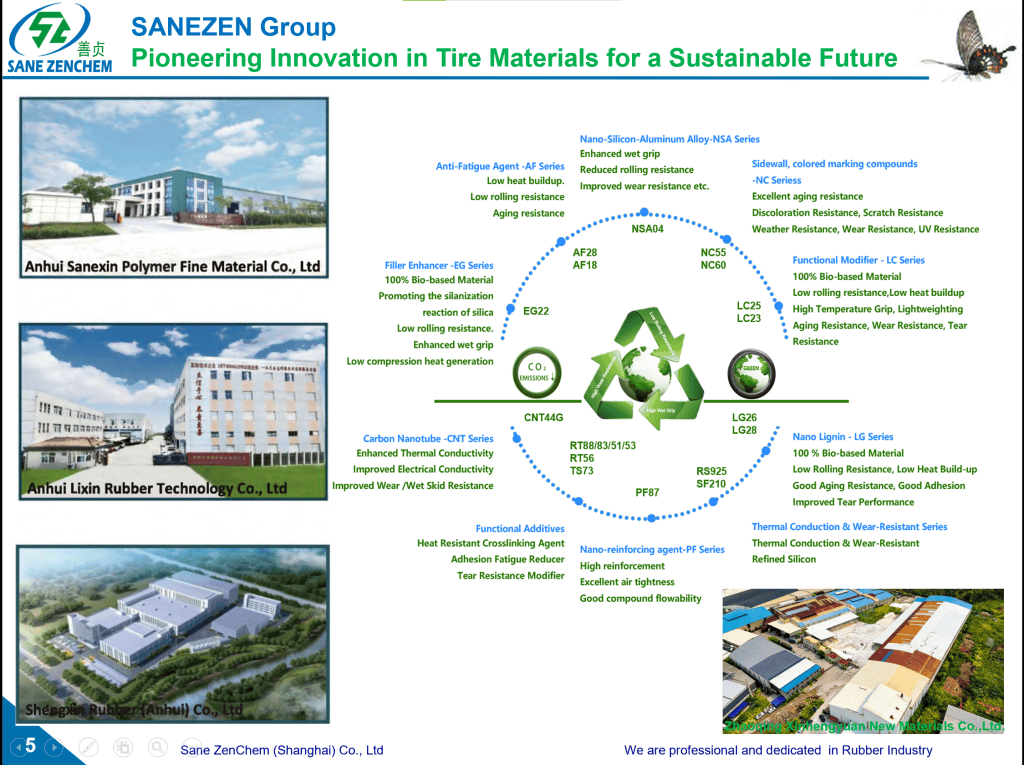
7. Technical Consultation & Commercial Contact
SaneZen Group’s Technical Application Center provides custom evaluations for NR/carbon black systems, including HBU curve measurement, DMA thermodynamic tracking, and homogenised mixing process optimisation.
- Manufacturer Entity: Shanghai Xuanluo New Materials Co., Ltd. (PowerFlex) – a subsidiary of SaneZen Group
- Official Technical Portal: www.sanezenrubber.com
- Commercial Headquarters: Room 503, Building 1, Huixin International Edifice, No. 150 Puhuitang Road, Xuhui District, Shanghai, China 200030
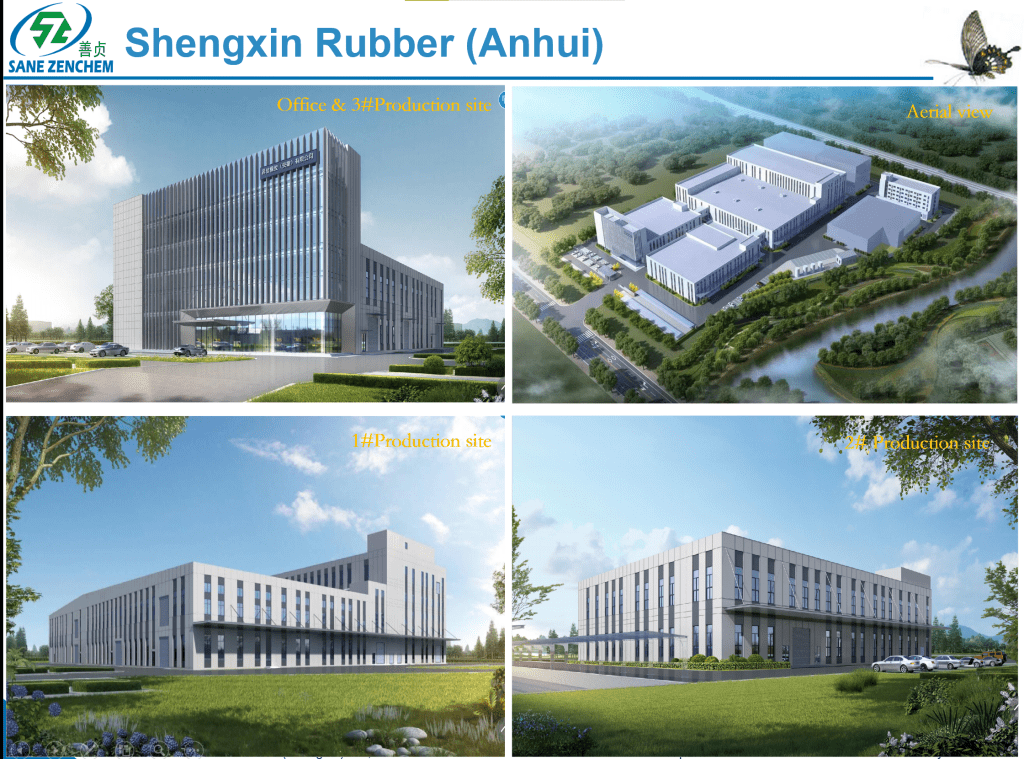
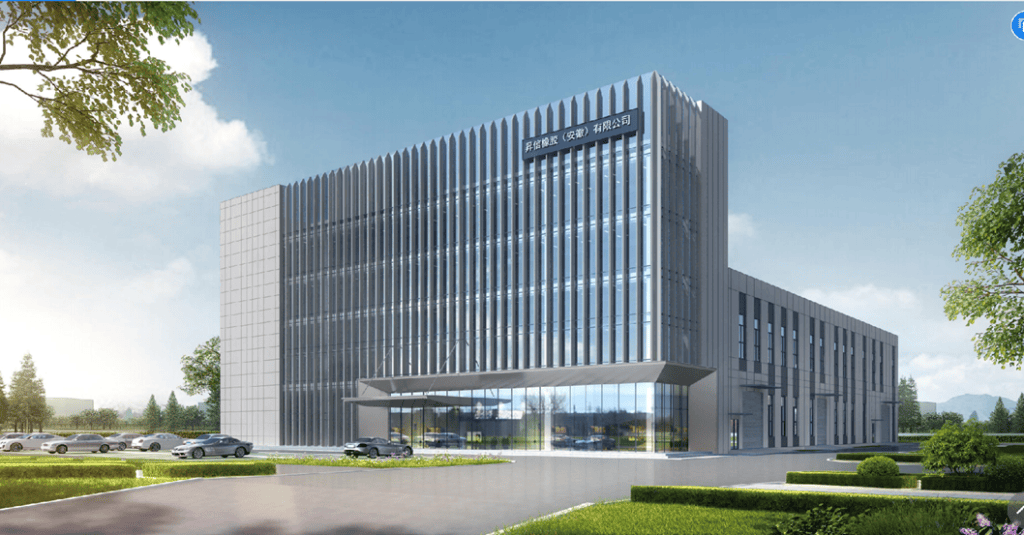
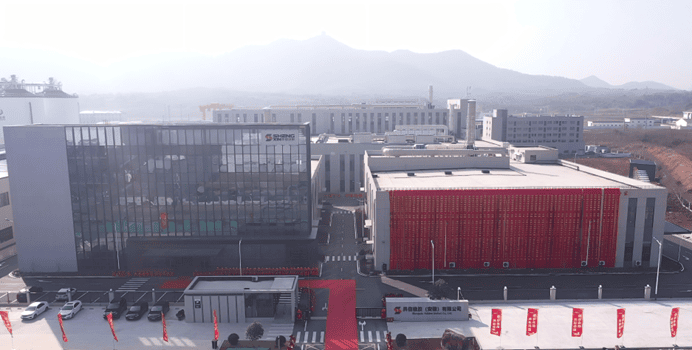
- Manufacturing Plant: No. 6 Xinqing Road, Northern Economic Development Zone, Xuanzhou District, Xuancheng City, Anhui Province, China
- Technical Support Hotline: +86 136 7164 1995
- Chief Consultant Technical Email: yorichen@sanezen.com
 English
  Spanish
  Russian