
In today’s rubber industry, the search for an environmentally friendly carbon black alternative has intensified as the sector transitions towards high performance, lightweighting, green chemistry, and cost-effectiveness. As a premier choice among Rubber reinforcing filler Manufacturers, we understand these challenges deeply. Traditional rubber reinforcing fillers like carbon black and silica, despite their excellent reinforcement effects, face challenges such as high production costs, high energy consumption, and environmental pollution. These limitations make it difficult for them to meet the industry’s demand for green and efficient development. Nano reinforcing agents, as advanced materials, are characterized by their small particle size, large specific surface area, high surface activity, and excellent dispersibility. They have become key materials for enhancing the mechanical properties, processability, and durability of rubber, positioning them as a core product line strategically developed by Xuanluo New Materials, a subsidiary of Sanezen Industrial, a distinguished name among Rubber Functional filler Manufacturers China.
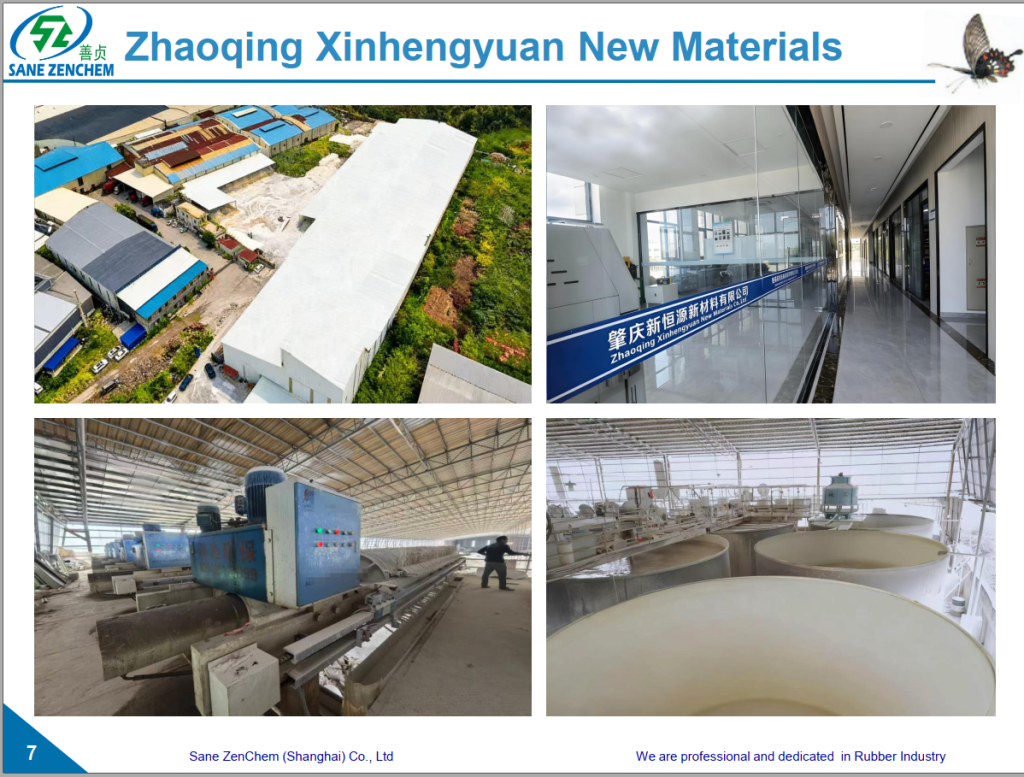
The Xuanluo PF Series activated nano reinforcing agents are processed from selected, high-whiteness natural composite minerals, making them an ideal high whiteness rubber filler for applications requiring bright colors. Through strict internal quality control processes, the products achieve uniform chemical purity and a stable particle size distribution. Refined through processing, the majority of their particle size distribution falls within the nanoscale range, and they undergo professional activation treatment. As functional fillers for rubber based on natural layered aluminosilicate minerals, they leverage their unique lamellar structure, stable product performance, and excellent chemical stability. Combined with advancements in powder processing and surface modification technologies, their reinforcement effect now approaches, and in some properties even surpasses, traditional fillers. They have become a new type of rubber reinforcing filler with significant development potential in the rubber industry, widely used in sectors like rubber and plastics and deeply implemented in rubber products such as automotive tires, wires and cables, and seals. As a professional Rubber reinforcing filler Manufacturer and Rubber reinforcing filler Supplier, Xuanluo New Materials operates a state-of-the-art Rubber reinforcing filler Factory in Zhaoqing City, Guangdong Province, China, ensuring reliable supply and consistent quality.
I
Mechanism of Reinforcement of Rubber by PF Series Nano-reinforcing Agents
The excellent reinforcement effect of PF Series activated nano-reinforcing agents on rubber stems from their unique lamellar structure, surface characteristics after activation treatment, and the synergistic interaction formed with the rubber matrix. The core mechanisms involve stress distribution, hindering crack propagation, and restricting macromolecular motion. The activation treatment and subsequent surface modification jointly determine the interfacial bond strength with the rubber matrix, which is key to realizing their reinforcing potential.
- Rapid Formation of 3D Network Structure, Excellent Stress Dispersion: The nano-scale particle size distribution and high aspect ratio facilitate easy dispersion in the rubber matrix, forming a uniform three-dimensional network. When external forces are applied, this “brick-mortar” structure rapidly disperses stress, reducing the local stress concentration factor of the rubber from 3.5-4.0 for pure rubber to 1.5-2.0, effectively preventing premature material failure caused by stress concentration. Experiments confirm that rubber composites filled with 30-60 phr of this nano reinforcing agent exhibit a 40%-60% reduction in the stress concentration factor compared to systems filled with the same amount of calcium carbonate.
- Hindering Crack Propagation, Significantly Enhancing Fracture Toughness: Scanning electron microscopy observations show that cracks generated in the rubber material deflect by 45°-90° at the interface of the nano-reinforcing agent’s lamellae, increasing the crack propagation path length by 2-5 times and greatly enhancing the material’s fracture toughness. In natural rubber/this nano-reinforcing agent composites, the crack propagation rate is reduced by more than 60% compared to pure natural rubber.
- Nano-scale Dispersion Enables Macromolecular Confinement, Strengthening Mechanical Properties: After activation treatment and surface modification, the nano-reinforcing agent aligns in a parallel orientation within matrices like styrene-butadiene rubber, achieving nano-scale uniform dispersion with lamellar thickness <100nm. This creates a stable “confinement” effect on the rubber macromolecules, restricting their free movement, thereby significantly improving the composite’s modulus, tensile strength, and elastic modulus. This effect is particularly pronounced at high filler loadings above 60 phr.
- Activation Treatment Enhances Interfacial Adhesion, Optimizing Dynamic Properties: Non-activated nano-reinforcing agents have a hydrophilic surface, leading to poor compatibility with the hydrophobic rubber matrix and easy agglomeration, resulting in a significant Payne effect. After professional activation treatment, their surface hydrophilicity is improved (making them more organophilic). Combined with subsequent surface modification, the interfacial bond energy with the rubber matrix increases from 0.5-1.0 J/m² to 3.0-5.0 J/m², the Payne effect is reduced by 30%-50%, and dynamic heat generation decreases by 20%-35%.
These mechanisms collectively make PF Series an exceptional rubber reinforcing filler suitable for a wide range of applications, including providing nano reinforcement for EPDM compounds and other elastomers.
II
Surface Modification Technology for PF Series Activated Nano-reinforcing Agents
After initial activation treatment, PF Series activated nano-reinforcing agents possess good surface activity. Targeted subsequent surface modification is a key technology to further enhance their compatibility with the rubber matrix and fully realize their reinforcing potential. Through different modification methods for secondary surface treatment, precise optimization of various properties such as dispersibility, processability, and air impermeability can be achieved. These advanced modifications enable the fillers to serve as specialized solutions, such as low odor filler for automotive seals and flame retardant filler for cable compounds, meeting diverse industry needs. Mainstream modification methods, modifiers, and their effects are shown in the table below:
Among these, composite modification technology, due to its ability to balance multiple performance aspects of the rubber composite, has become the mainstream development direction for modifying PF Series activated nano-reinforcing agents, better meeting the comprehensive performance requirements for functional fillers for rubber in high-end products.
| Modification Method | Modifier Type | Mechanism of Action | Main Effects |
| Silane Coupling | KH-550, Si-69, A-172, etc. | Chemical bonding, with one end grafting to kaolin and the other end to the rubber | Mechanical properties ↑ by 80%, dispersibility ↑ |
| Titanate Coupling | NDZ-201, TMC-201, etc. | Coordination bonding, improves processing flowability | Processability ↑, abrasion loss ↓ by 25% |
| Organic Amine Modification | Hexadecyl trimethyl ammonium bromide (CTAB), etc. | Ion exchange, intercalation to expand interlayer spacing | Air impermeability ↑ by 50%, organophilicity ↑ |
| Fatty Acid Modification | Stearic acid, oleic acid, etc. | Physical adsorption, reduces surface energy | Dispersibility ↑, cost ↓ |
| Composite Modification | Silane + Titanate, etc. | Synergistic effect | Optimal comprehensive performance |
III
Core Advantages of PF Nano-reinforcing Agents (Compared to Traditional Fillers)
- Outstanding Reinforcement Effect: Mechanical properties approach those of medium-structure carbon blacks (N550/N660), superior to ordinary silica and light calcium carbonate. Significantly improves tensile strength, modulus, and abrasion resistance, establishing it as a true cost effective rubber reinforcement solution.
- More Process-Friendly: Good flowability, easy mixing, easy extrusion, moderate Mooney viscosity, longer scorch time, reducing production energy consumption and defect rates.
- Environmentally Friendly / Low Odor: Non-toxic and odorless, complies with environmental requirements such as REACH and RoHS. They serve as an environmentally friendly carbon black alternative and a low odor filler for automotive seals, fully compliant as a REACH compliant rubber compounding filler. Suitable for food-grade, medical-grade, and automotive low-VOC applications.
- High Whiteness / High Insulation: Suitable for light-colored, colored, and transparent rubber products, while providing excellent electrical insulation and synergistic flame retardant effects. This makes them an ideal white reinforcing filler for colored rubber products, while also offering electrical insulation.
- Significant Cost Reduction Potential: Can partially replace carbon black and silica, allowing for high filler loadings and stabilizing formulation costs. As a premier Rubber reinforcing filler Manufacturer, we ensure that this cost effective rubber reinforcement solution allows manufacturers to optimize formulation costs without compromising performance.
IV
Key Process Parameters for Using Nano-reinforcing Agents in Rubber Applications
Although nano-reinforcing agents are activated and possess a stable particle size distribution, offering significant dispersibility advantages, the final dispersion quality within the rubber still directly determines the performance of the finished product. In actual production, it is crucial to focus on three core process parameters: feeding sequence, mixing temperature, and curing system adjustment, to fully leverage their reinforcing potential.
- Feeding Sequence: It is recommended to add the nano reinforcing agent during the masterbatch preparation stage, either before or simultaneously with carbon black. This utilizes its good wettability, allowing full infiltration and dispersion with the rubber molecules. When used in combination with carbon black, a recommended ratio of nano-reinforcing agent : carbon black is 1:2 to 1:3, with the total filler loading not exceeding 100 phr, ensuring the compound Mooney viscosity is controlled within a reasonable range $ML(1 + 4)100\text{℃} \leq 80$. In formulations targeting nano reinforcement for EPDM compounds, following this recommended feeding sequence ensures optimal dispersion and performance.
- Mixing Temperature and Energy Consumption: For activated nano-reinforcing agents, the mixing temperature should ideally be controlled between 110-130°C. This temperature range allows for sufficient reaction between coupling agents (if used in the compound) and rubber molecules, while avoiding deactivation of the activated surface sites. If the mixing temperature is too high (>150°C), it can easily induce premature scorch of the compound, seriously affecting the final properties of the product.
- Curing System Adjustment: The surface of activated nano-reinforcing agents is weakly acidic (pH 6.0-7.0), which can adsorb alkaline cure accelerators (such as CZ, DM). Therefore, the accelerator dosage may need to be appropriately increased (typically by 10-15%). A curing system combining sulfenamide accelerators (CZ, NS) with thiuram accelerators (TMTD) is recommended to ensure the optimum cure time (t₉₀) meets production process requirements and guarantees full realization of the reinforcing properties. This adjustment is particularly important when using the filler for peroxide cured NBR compounds, where precise cure control is essential for achieving the desired properties.
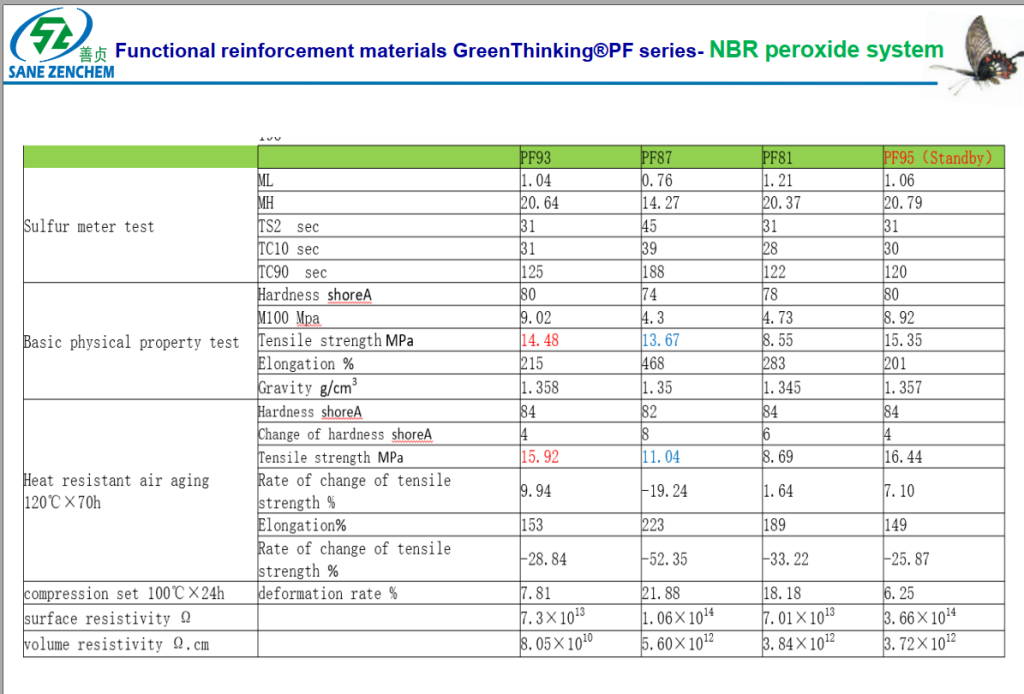
VMaterial Selection for GreenThinking® PF Series Functional Reinforcing Fillers
VI
Application Areas of PF Series Nano-reinforcing Agents
GreenThinking® PF Series Activated Nano-reinforcing Agents: The Preferred Functional Filler Solution for the Rubber and Plastics Industry
PF Series activated nano-reinforcing agents leverage outstanding advantages such as excellent dispersion uniformity, high reinforcement efficiency, superior insulation performance, good resilience, and stable, pure whiteness. They also feature key highlights like being environmentally friendly/odorless, low VOC, synergistic flame retardancy, and low compression set, fully complying with international environmental standards like REACH, RoHS, and PAHS. As a trusted REACH compliant rubber compounding filler, they have achieved large-scale application in core rubber sectors such as the tire industry, wire and cable, seals, and vibration damping products. They can efficiently and partially replace traditional raw materials like carbon black, silica, and halobutyl rubber, significantly optimizing the production formulation cost structure while fully safeguarding the core performance of the final product. This makes them the preferred material for the green transformation and high-performance upgrade of the rubber and plastics industry.
I. Tire Industry: Precisely Meeting Performance Requirements of Different Components
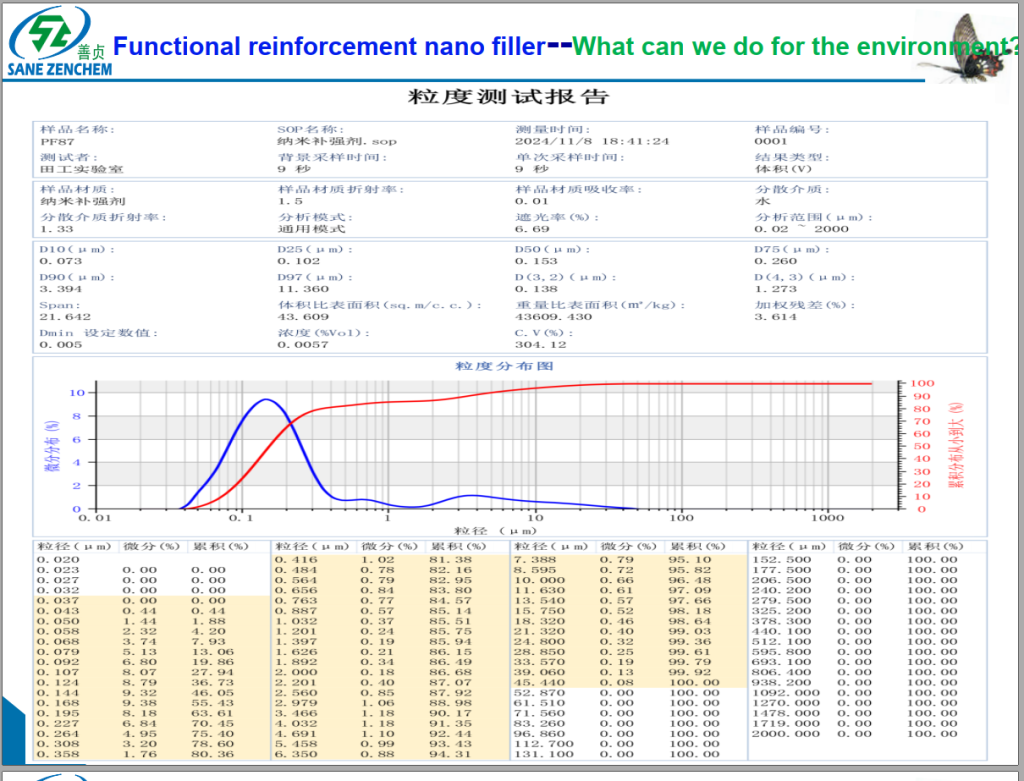
- Inner Liner: The lamellar structure provides excellent barrier properties, reducing air permeability. Specifically designed as a nano filler for tire inner liner, PF87 is the main recommendation, with a D50 of 153nm, balancing reinforcement and air retention, with performance close to N550.
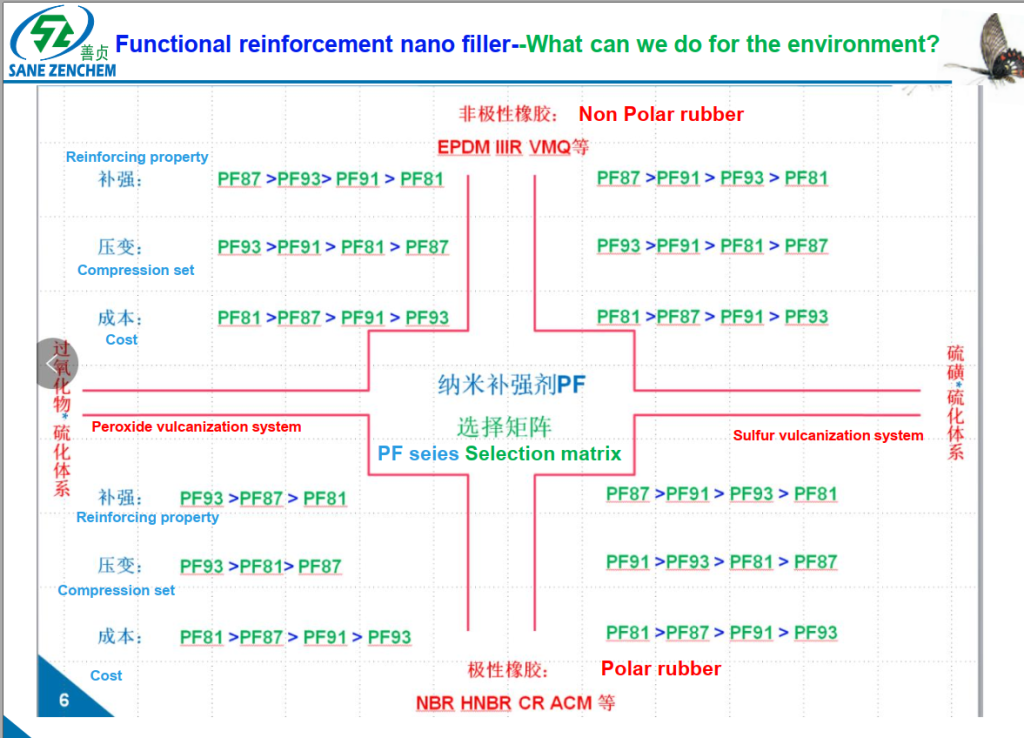
- Standard Sidewall Compound: Adding 20-40 phr of PF81 improves ozone crack resistance and extends fatigue life by 2-3 times. PF91 is preferred for sulfur-cured systems, offering optimal reinforcement. PF93 is preferred for peroxide-cured systems, exhibiting excellent compression set performance.
- White/Colored Sidewall: PF81, PF88, PF90 offer high whiteness and uniform color dispersion, making them an ideal white reinforcing filler for colored rubber. PF90, with a particle size of 156nm, provides even better dispersibility and can partially replace titanium dioxide or silica.
II. Wire and Cable: Simultaneous Multi-Dimensional Performance Optimization
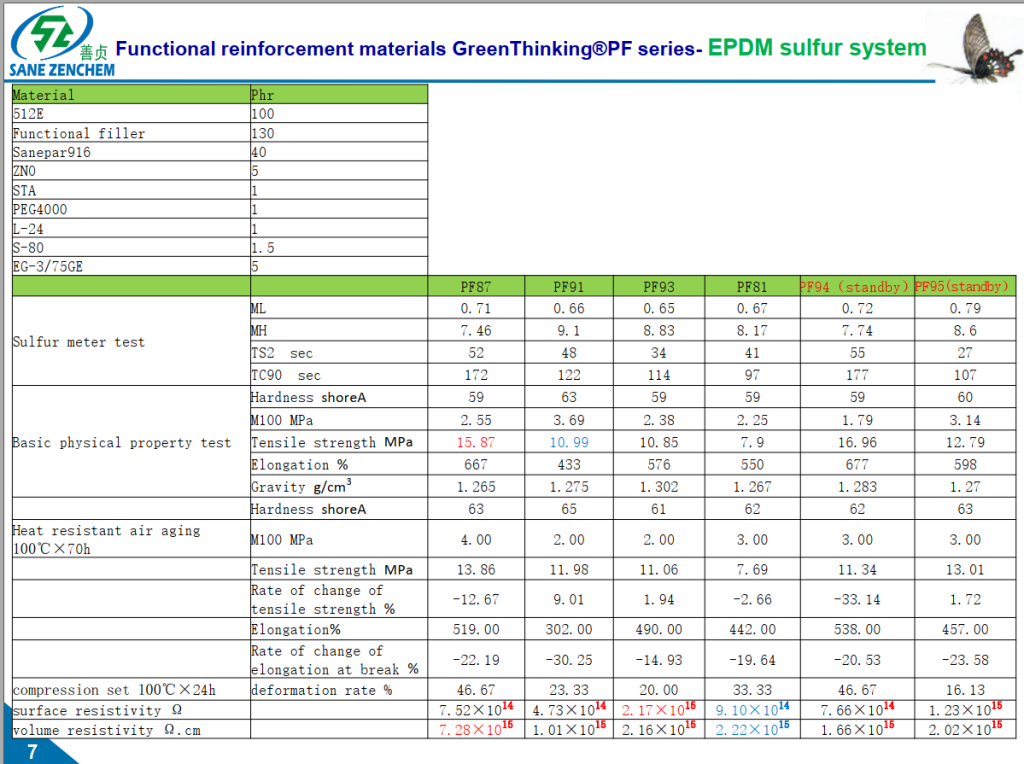
- High Insulation Formulations: Adding 40-60 phr in EPDM compounds achieves volume resistivity ≥ 1×10¹⁵ Ω·cm. In EPDM compounds, PF Series provide excellent nano reinforcement for EPDM compounds, with PF87 offering the best insulation performance. PF93 provides excellent compression set control. PF90 combines good insulation with superior dispersibility, suitable for auxiliary reinforcement in medium/low voltage cable insulation and jackets.
- Synergistic Flame Retardancy: Adding 5-8 phr in PVC jacket compounds can increase the Oxygen Index (LOI). When used with flame retardants, it can help achieve UL94 V-0 rating. When utilized as a flame retardant filler for cable compounds, PF90 can be used in combination, balancing flame retardancy and processing flowability.
- Easy Processing and Molding: The nano-scale particle size ensures good dispersion, resulting in smooth extrudate surfaces. PF81 can reduce processing energy consumption in EPDM systems. PF90, with its stable particle size and good compatibility, minimizes material waste and suits high-precision extrusion processes.
III. Seals and Vibration Damping Products: Balancing Performance and Durability
- Automotive Sealing Strips: PF81 and PF87 in EPDM exhibit excellent weatherability. After heat aging at 100°C × 70h, hardness change is only 2-4 Shore A. PF90, with low odor and high dispersion, serves as an ideal low odor filler for automotive seals, meeting the low VOC and high surface smoothness requirements for interior sealing strips.
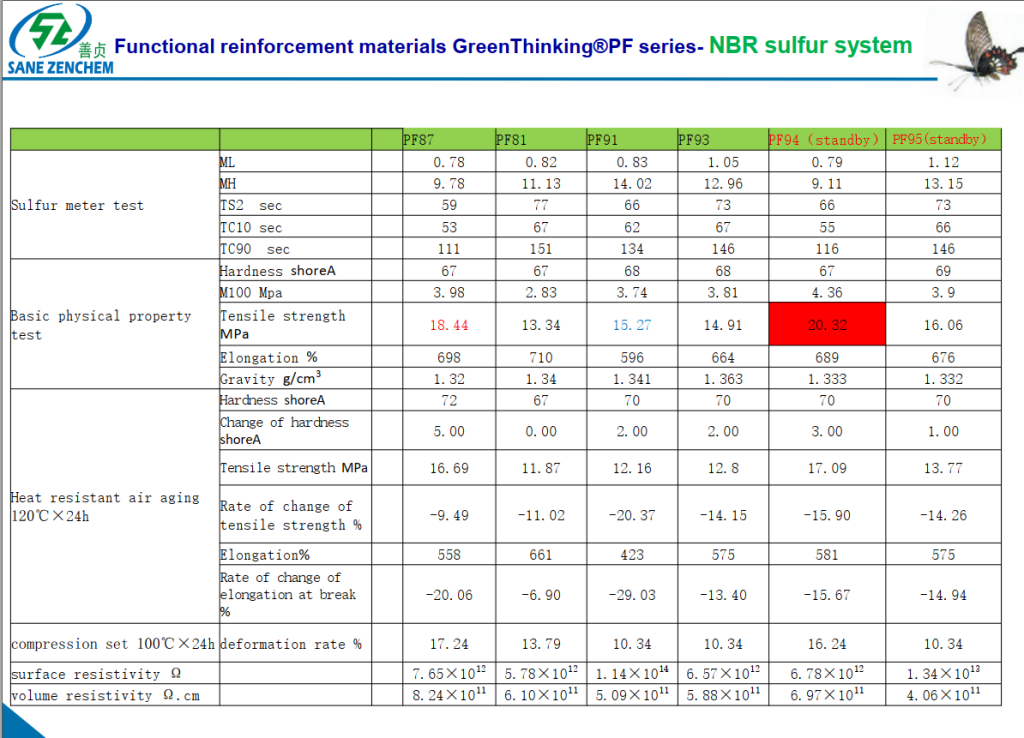
- Vibration Damping Components: PF91 and PF93 offer low compression set and good energy absorption. PF93 is suitable for NBR peroxide-cured systems, providing high strength and minimal high-temperature deformation, significantly extending component life. PF90 is versatile and suitable for vibration damping parts in home appliances and small machinery.
- Industrial Rollers: PF87 and PF91 are suitable for industrial rollers, offering good wear resistance, excellent resilience, and low processing energy consumption. PF90 is suitable for medium/low hardness rollers, providing good dispersion, smooth surface finish, wear resistance, aging resistance, and high cost-effectiveness.
- Specialty Seals: PF82 and PF93 offer oil resistance, heat resistance, and a good balance between reinforcement and compression set, suitable for demanding applications like oil seals and hydraulic seals. PF93 is specifically designed as a filler for peroxide cured NBR compounds, offering oil resistance, heat resistance, and a good balance between reinforcement and compression set. PF90 is suitable for standard oil-resistant seals, offering good compatibility with NBR and ease of processing.
FAQ
1. What is the main difference between PF Series nano-reinforcing agents and traditional fillers like carbon black or silica?
While traditional fillers like carbon black offer excellent reinforcement, PF Series agents are engineered from natural minerals with a unique lamellar structure and activation treatment. This provides a balance of properties: they can achieve reinforcement levels approaching medium-structure carbon blacks (like N550/N660) but offer advantages in terms of lower environmental impact, lighter weight potential, improved processing (lower energy mixing, smoother extrusion), and unique features like high whiteness for colored products and electrical insulation. They are designed as a high-performance, more sustainable environmentally friendly carbon black alternative or partial replacement.
2. Which PF Series grade should I choose for my application?
The best grade depends on your specific needs:
- For high reinforcement in general rubber goods, PF81 or PF91 are excellent choices.
- For tire inner liners requiring good air retention, PF87 is specifically designed as a nano filler for tire inner liner for its barrier properties.
- For peroxide-cured systems where low compression set is critical (e.g., some seals or vibration dampers), PF93 is the recommended filler for peroxide cured NBR compounds.
- For light-colored or white products, PF81, PF88, or PF90 offer high whiteness and good color consistency, acting as a perfect white reinforcing filler for colored rubber.
Please refer to the “Application Areas” section (Part VI) for more detailed recommendations or contact us for technical guidance.
3. Do I need to adjust my existing rubber formulation when using PF Series products?
Yes, some adjustments are recommended to optimize performance. Key considerations include:
- Mixing Temperature: Optimize mixing at 110-130°C.
- Curing System: Due to the slightly acidic surface (pH 6.0-7.0), which can adsorb basic accelerators, you may need to increase the accelerator dosage by approximately 10-15%. Using a combination of sulfenamide and thiuram accelerators is often beneficial.
- Feeding Sequence: Adding the PF Series filler early in the mixing cycle (masterbatch stage) is recommended for optimal dispersion. Our technical team can provide more specific guidance based on your formulation to ensure you get the most out of this cost effective rubber reinforcement solution.
4. Are PF Series nano-reinforcing agents environmentally friendly and safe to use?
Yes, they are designed with sustainability in mind. They are non-toxic, odorless, and have low VOC potential. They fully comply with major international environmental standards including REACH, RoHS, and PAHS, making them a trusted REACH compliant rubber compounding filler. This makes them suitable for demanding applications such as automotive interior components (low VOC), food-grade, and medical-grade products where safety and environmental impact are paramount.
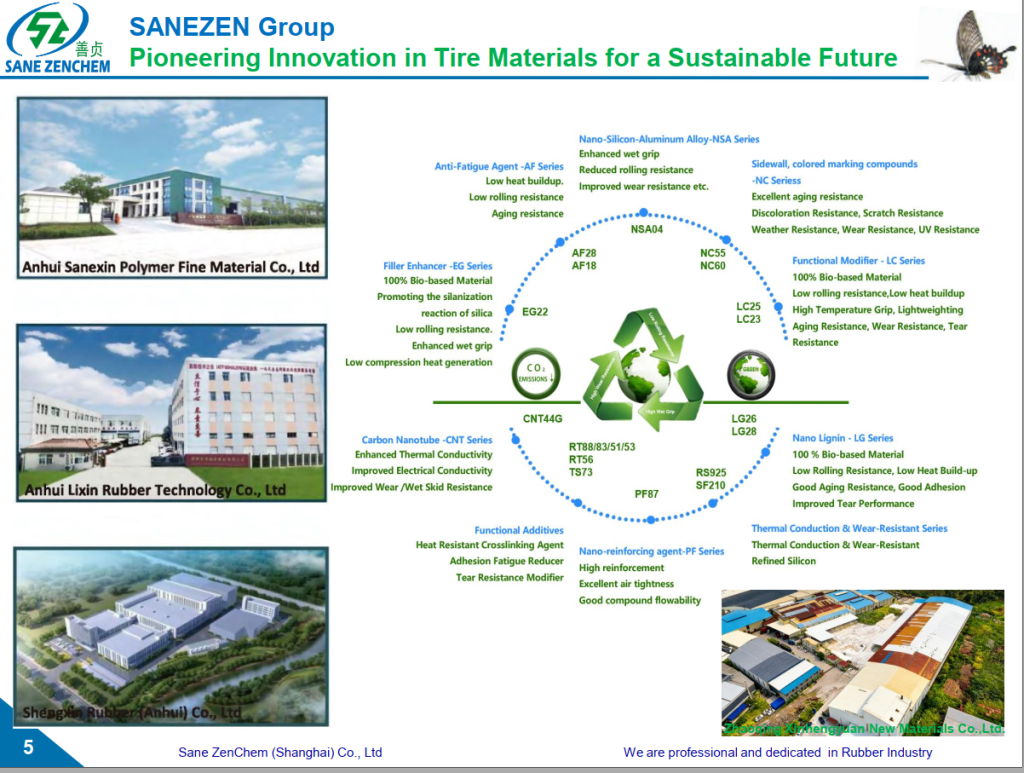
As a premier Rubber reinforcing filler Manufacturer and Supplier, Shanghai Powerflex New Material Co., Ltd. (a Sanezen company) and its subsidiary Xuanluo New Materials are dedicated to providing high-quality rubber reinforcing fillers to customers worldwide. With our advanced Rubber reinforcing filler Factory in Zhaoqing City, Guangdong Province, we stand out among Rubber Functional filler Manufacturers China, ensuring reliable supply and consistent quality.
Contact Us
For more information about how our PF Series can serve as your ideal functional filler for rubber, or to discuss our full range of silicone and specialty elastomers, please reach out to us:
Shanghai Powerflex New Material Co., Ltd.
(A Sanezen Company)
Website: www.sanezenrubber.com
WhatsApp: +86 136 7164 1995
Commercial Address:
Room 1606, Boda Commercial Building, No. 11 Puhuitang Road, Xuhui District, Shanghai, China 200030
Tel: 021 6487 9251
Mobile: 136 7164 1995
Email: yorichen@sanezen.com
Factory Address:
Zhaoqing City, Guangdong Province
Rubber Solution Provider — Better Together!