1. Текущее состояние и фон: выявление структурных отклонений в сроке службы
В области эластомерных уплотнительных и систем гашения вибраций инженеры давно полагаются на стандартизированные испытания (такие как ISO 11346) для прогнозирования срока службы. Однако полевые данные и анализ фактических отказов неоднократно выявляют значительное структурное отклонение: систематический разрыв между теоретически предсказанным сроком службы и фактическим эксплуатационным ресурсом в условиях работы.
Корень этой разницы кроется в традиционных моделях оценки срока службы, которые часто основаны на данных ускоренного старения при одном виде нагрузки (например, постоянной температуре) и предполагают, что деградация следует линейной экстраполяции по уравнению Аруниуса. Однако реальные условия эксплуатации — это типичные нестационарные процессы. Ведущий производитель силиконовой резиновой смеси высокого температуры, наш фокус не только на начальных статических физических свойствах — данные показывают, что большинство коммерческих продуктов соответствуют спецификациям в «нуль времени». Истинный технический рубеж лежит в траектории эволюции микроструктуры под долгосрочным воздействием тепла, кислорода, химических сред и динамических нагрузок. Это критический фактор в как выбрать силиконовую резину для высокой температуры и устойчивости к маслам для проектов высокой надежности.
2. Анализ матрицы напряжений: глубокий анализ рисков отказа
На практике компоненты уплотнения или гашения вибраций редко подвергаются воздействию только одного вида напряжений. Например, в силовых агрегатах или промышленных гидравлических системах материалы испытывают комбинированную матрицу напряжений, включающую температурные циклы, эрозию среды, динамические чередующиеся нагрузки и окисление окружающей среды.
Традиционные одновременные ускоренные испытания старения (например, только при высокотемпературном старении воздуха) не могут воспроизвести этот эффект сочетания. Это особенно важно при проектировании силиконовой резины для автомобильных уплотнений или силиконовой резины для аэрокосмических уплотнений, где сигналы эффективности, такие как сохранение сдвиговой модуляции и аномальные траектории компрессионных установок, являются ранними индикаторами отказа. Оценка «толерантности реакции» материала при комбинированных нагрузках, а не его статической прочности, является техническим предпосылкой для надежного выбора.
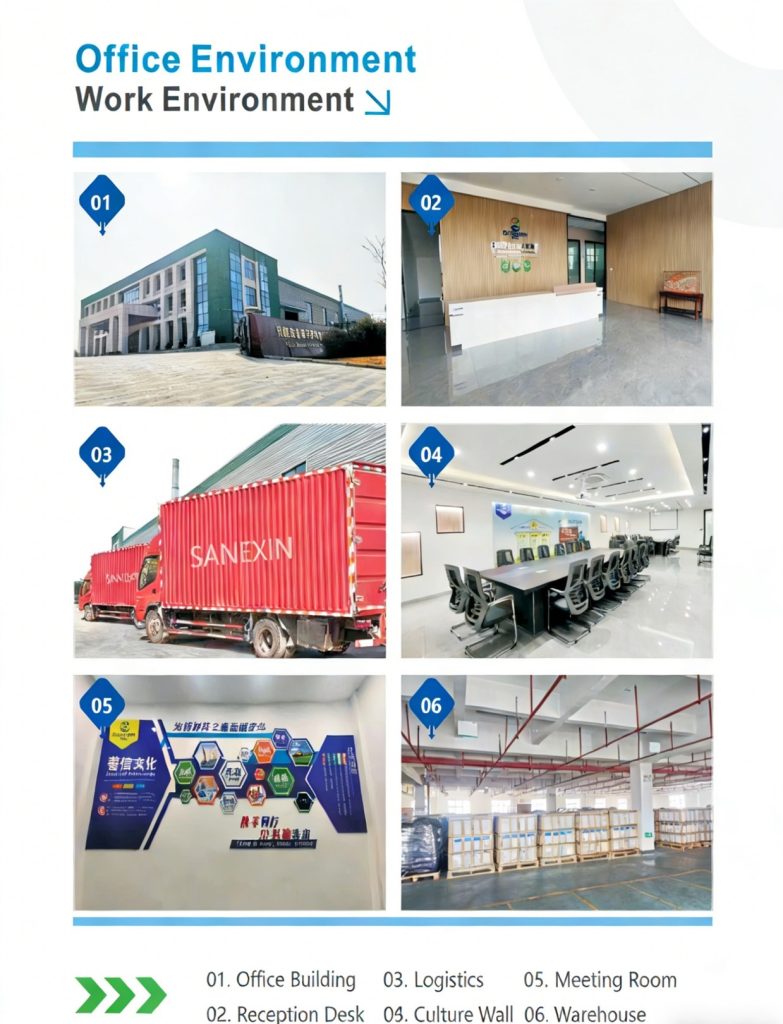
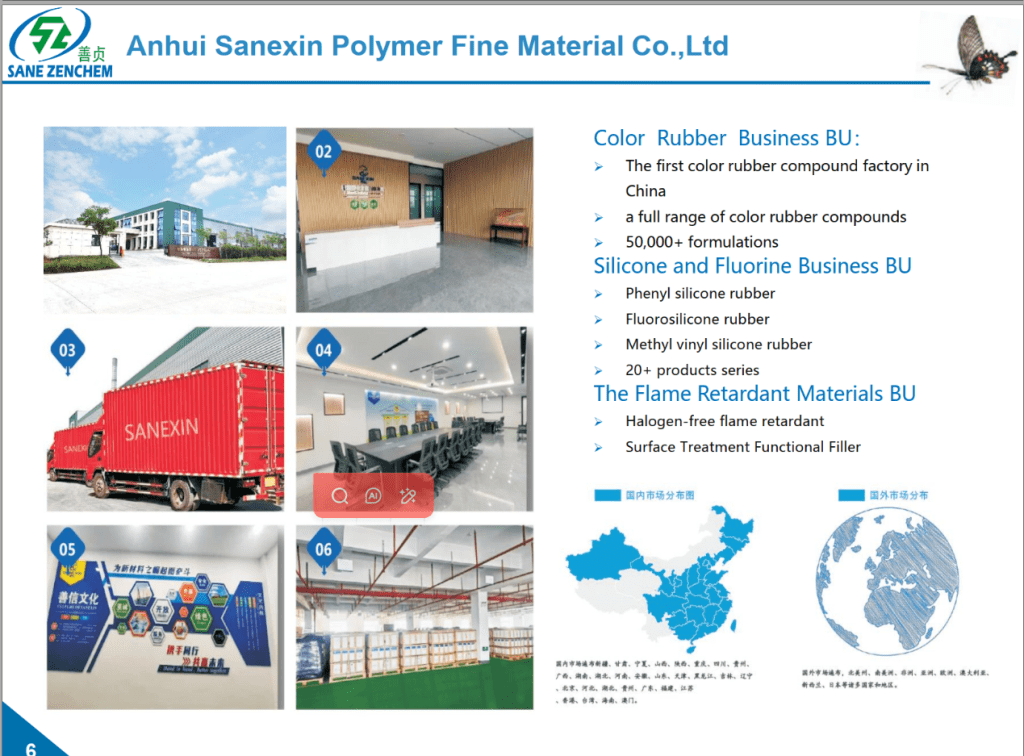
Аэротуристический панорамный вид современного производственного комплекса Anhui Sanexin Polymer Fine Materials Co., Ltd.
3. Глубокое изучение микроскопического механизма: молекулярная структура как основа для повышения характеристик
Для решения этих задач технические решения, обсуждаемые в этом отчете, сосредоточены на оптимизации «структура-эффективность» на молекулярном уровне. Как профессиональный поставщик фторсиликоновой резины в России и специализированная производитель фенилсиликоновой резины, мы ориентируемся на создание стабильных и однородных сшитых сетей с определенными функциональными откликами.
| Микроструктурные особенности | Традиционные решения (например, VMQ с высоким наполнением) | Специализированная функциональная модификация | Влияние на макро-показатели |
| Основная цепь полимера | Структура одинарного -Si-O- | Специфические боковые группы (фенил, фторорганические) | Более широкий температурный диапазон, оптимизированная стойкость к маслам/растворителям |
| Сшитая топология | Случайное радикальное сшивание | Оптимизированная, однородная топология сети | Меньшее усадочное деформирование, долговременная эластичность |
| Интерфейс наполнителя и полимера | Физическое адсорбирование, склонное к агломерации | Химическое связывание с помощью специализированных соединяющих агентов | Улучшенная дисперсия, повышенная динамическая усталостная долговечность |
4. Границы эмпиральной валидности: критическое мышление при стандартизированных тестах
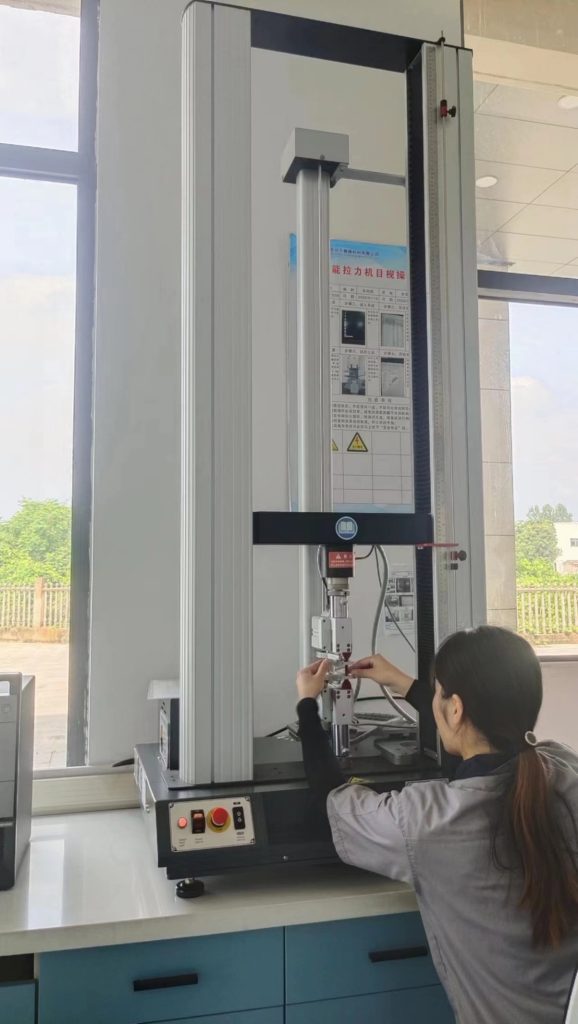
Мы должны признать, что стандартные методы, такие как ASTM D395, предоставляют сравнительные данные в упрощенных условиях, а не прямое отображение производительности в реальных условиях. Основная ценность заключается в фиксации «кривой деградации характеристик». Например, наш силиконовая резиновая смесь с очень низким усадочным деформированием для масляных уплотнений оценивается не только по соответствию спецификации (например, <30%), но и по стабильности при повышении температуры до 200°C или 225°C в присутствии масла IRM 903.
5. Контроль последовательности процесса: Влияние производства на технические показатели
Высокая производительность в лабораторных условиях не имеет инженерной ценности, если ее невозможно воспроизвести в крупномасштабном производстве. На нашем заводе по производству термостойкой силиконовой резинымы управляем рисками микроскопических агломератов, которые выступают в роли концентрационных точек напряжения и приоритетных каналов химического разрушения. Мы сосредоточены на стабильности партии по капиллярному реологическому поведению и времени задымления по Mooney, чтобы обеспечить стабильное качество конечного продукта.
6. Цикл жизни и инженерия стоимости: количественная оценка общей стоимости владения (TCO)
При обсуждении экономики высокопроизводительных материалов следует ввести модель TCO. Использование силіконового каучука с отличной стойкостью к маслам может привести к увеличению прямых затрат на материалы на 10-30%, но значительно снижает TCO за счет увеличения интервалов обслуживания в 2-3 раза и уменьшения риска внеплановых простоев.
7. Техническая консультация: FAQ на основе доказательств
Вопрос 1: Совместим ли модифицированный силиконовый каучук с существующими системами вулканизации на пероксиде? Ответ:: Большинство моделей, таких как серия FS2200U, совместимы со стандартными системами 2,5-диметил-2,5-ди(трет-бутилпероксикин)гекана. Это применимо при выборе лучшего фторсиликонового каучука для уплотнений быстросъема топливных линий или силиконового каучука для уплотнений гидравлической системы военной авиации. Может потребоваться регулировка скорости впрыска из-за измененного поведения релаксации.
Вопрос 2: Ухудшает ли огнестойкий силиконовый каучук механические свойства? Ответ: Наши безгалогенные огнестойкие системы, такие как используемые в силиконовом каучуке для уплотнений трансформаторного масла, достигают баланса между рейтингами UL 94 V-0 и механическими свойствами, сохраняя прочность на растяжение в диапазоне 6,5-7,2 МПа.
Вопрос 3: Требуется ли дополнительная термостойкая добавка для условий 315°C? Ответ: Мы не рекомендуем самостоятельное добавление. Мы предлагаем специализированные продукты, такие как силиконовый каучук без вторичной вулканизации для высокотемпературных условий или силиконового каучука для горячекатаных роликов до 300°C (конкретно серия SR1200UTH), которые уже оптимизированы для максимальной стабильности.
Техническая поддержка и контакты
Название фабрики: Shengxin Rubber (Anhui) Co., Ltd.
Адрес: улица Байшоу, Северная зона, Экономическая зона развития Цюаньчжоу, город Цюаньчжэн, провинция Аньхой, Китай
Групповой бизнес-центр: комнаты 1606–1608, бизнес-здание Boda, № 11 Puhuitang Road, район Сюйхуэй, Шанхай (группа Sane Zenchem)
Телефон: +86 136 71641995
Электронная почта: yorichen@sanezen.com
Сайт: www.sanezenrubber.com
 Russian
  English
  Spanish