PF87 Nano Reinforcing Filler: Redefining the Functional Enhancement Standards in Rubber and Plastics Industry
Introduction: Transformation and Opportunity in the Functional Filler Market
In the global rubber and plastics industry, fillers and reinforcing materials have always played a crucial role. Traditional fillers such as carbon black, precipitated silica, kaolin, and light calcium carbonate, while providing basic filling and some reinforcement, increasingly reveal their limitations under the trend towards high performance, high functionality, and green development. Particularly in areas such as high air retention requirements for tire innerliners, whiteness retention for light-colored products, and aging and wear resistance under complex working conditions, the market urgently needs a new type of high performance nano reinforcing filler that balances high performance, easy processing, low cost, and environmental friendliness.
Against this backdrop, SaneZen Group, a leading high performance nano reinforcing filler manufacturer, with its profound accumulation in materials science and continuous technological innovation, has successfully developed the GreenThinking® PF87 series of functional nano-reinforcing fillers. PF87 is not only a comprehensive upgrade to traditional fillers but also represents a cutting-edge breakthrough in nano-mineral filler technology. Sourced from high-purity natural composite minerals and refined through unique nano-modification and surface treatment processes, it is opening new possibilities in high-end global rubber and plastic applications with its ultra-fine particle size (D50 only 153 nanometers), unique platelet microstructure, exceptional reinforcement performance, and high air tightness.
1. Market Perspective: The Limitations of Traditional Fillers and the Solution of PF87
1.1 The “Performance Ceiling” of the Traditional Filler Family
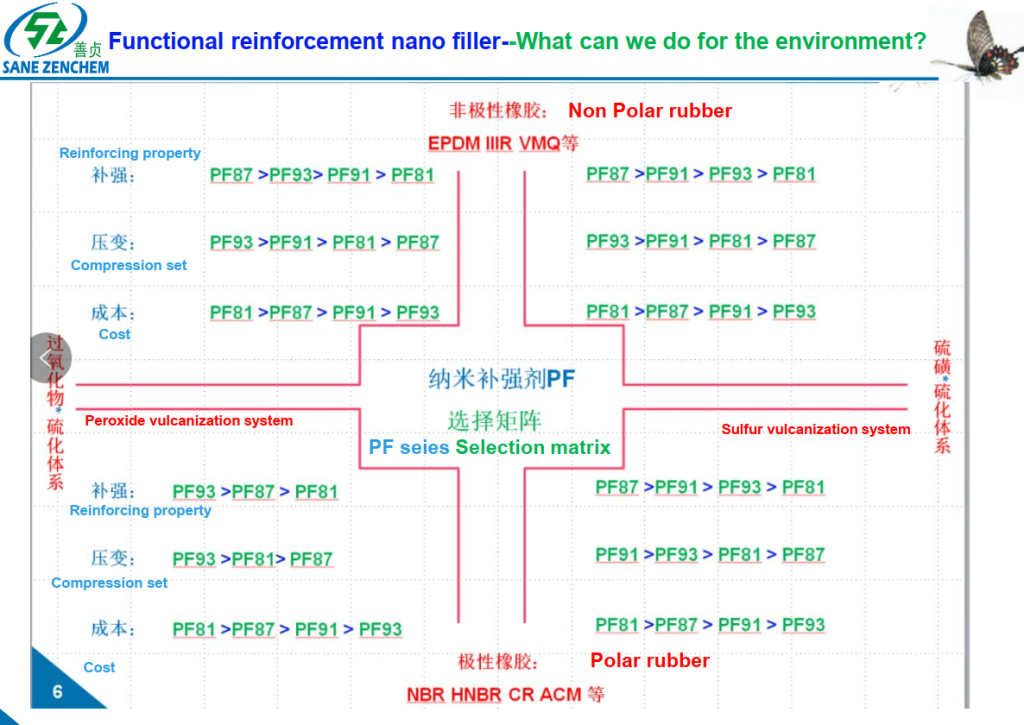
- Carbon Black: Excellent reinforcing effect, but dark black color limits it to black products. High loading often challenges processing properties (e.g., high Mooney viscosity) and causes significant equipment wear. This creates a demand for a non black reinforcing agent for rubber.
- Precipitated Silica: Primarily used in “green tires” to reduce rolling resistance. Good reinforcement, but high cost, strong hygroscopicity, difficult dispersion during mixing, high processing energy consumption, and selectivity towards curing systems, driving the search for a high performance substitute for silica filler.
- Traditional/Calcined Kaolin: Low cost, high whiteness, widely used in light-colored products. However, standard products typically have particle sizes in the micron range (D50 usually above 1-2 microns), offering limited reinforcement, mainly acting as filler and extender. Even functionalized products like Germany’s Hoffmann Mineral’s SILLITIN® Z89 struggle to match the reinforcement and functionality of high-end carbon black or silica, and cannot enter demanding applications like tire innerliners, highlighting the need for a superior functional filler for rubber.
- Calcium Carbonate: Very low cost, but offers the weakest reinforcement. Mainly used for significant cost reduction and hardness adjustment, often negatively impacting mechanical properties.
1.2 PF87: Derived from Kaolin, Transcending Kaolin
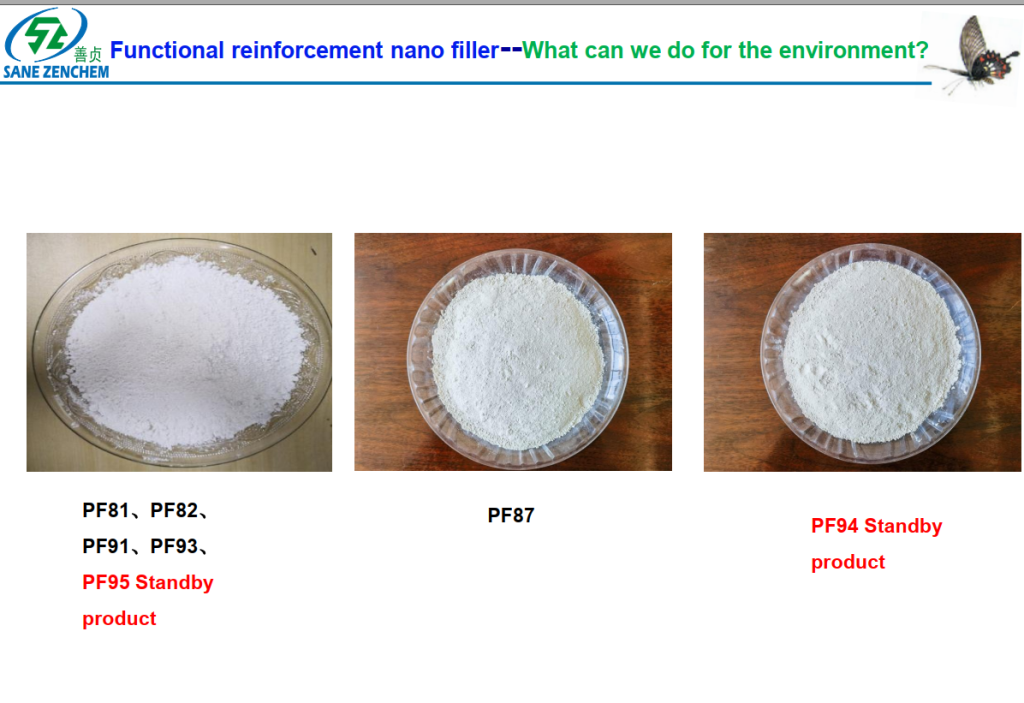
PF87 shares a similar primary chemical composition with kaolin (mainly SiO₂ and Al₂O₃), belonging to the pure inorganic filler category. This allows it to inherit kaolin’s inherent advantages: wide raw material availability, white color, stable chemical properties, and environmental friendliness, making it an ideal white reinforcing filler alternative and light colored rubber reinforcement filler. However, through revolutionary nano-technology and surface engineering, SaneZen Group has achieved a disruptive performance enhancement over traditional kaolin:
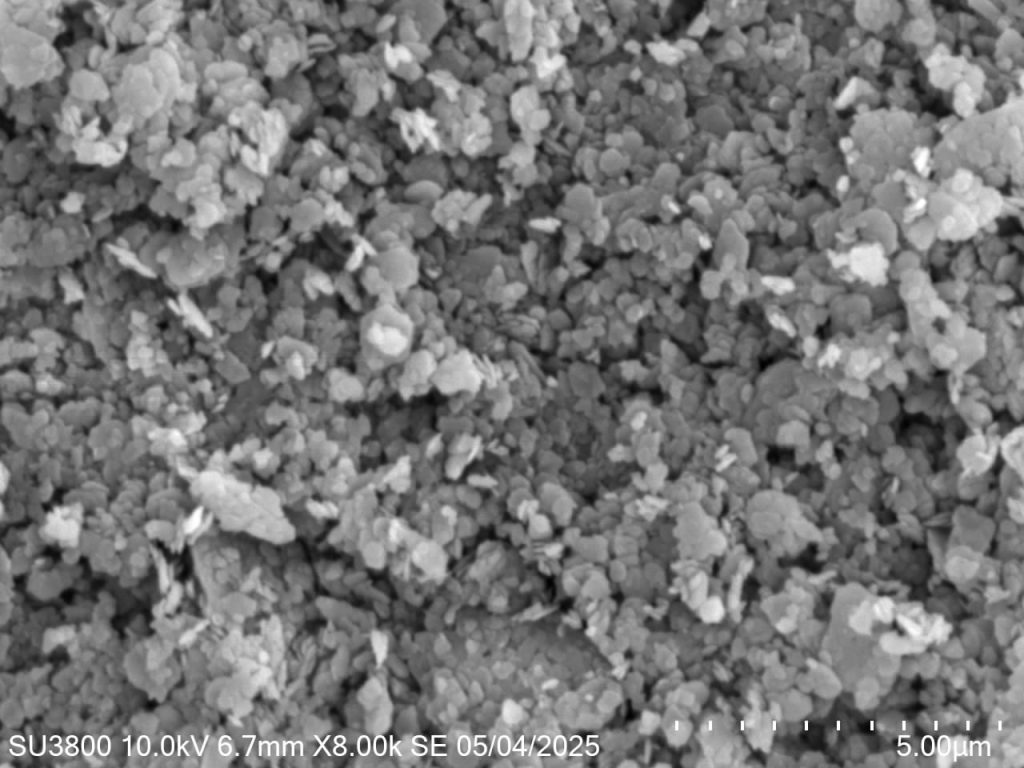
- Dimensional Leap in Particle Size: Common kaolin products on the market have a D50 mostly above 1 micron (1000 nm). PF87 achieves an astonishing D50 of 153 nanometers, entering the true nanoscale (primary distribution 1-100 nm). This means its specific surface area increases exponentially, vastly increasing interaction points with rubber polymer chains.
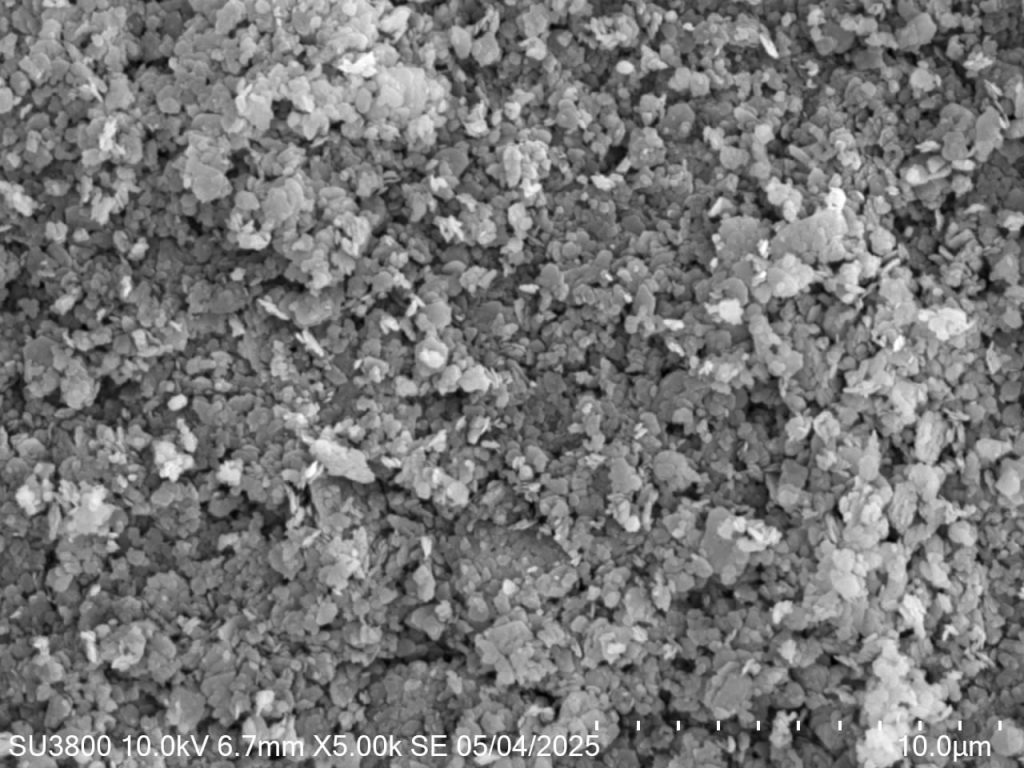
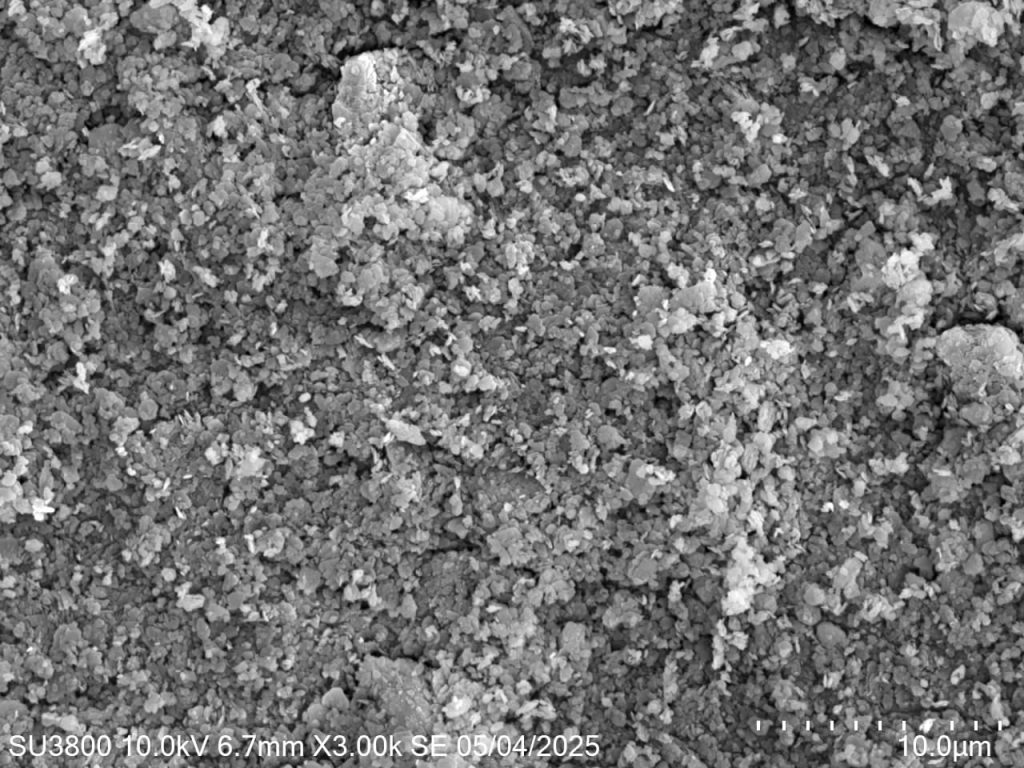
- Meticulously Designed Structure: PF87 is not simply spherical nanoparticles but features a carefully engineered platelet (Flake) microstructure. This structure can form more effective barrier networks and stress transfer pathways within composite materials.
- Surface Activation and Empowerment: Proprietary surface treatment technology significantly improves the compatibility and bonding force between PF87 and organic polymer matrices (especially non-polar rubbers like EPDM, IIR, NR), solving the industry pain points of difficult dispersion and easy agglomeration of inorganic fillers in rubber, resulting in an easy dispersion mineral filler for plastics and rubber.
It is the combination of these three core technologies that elevates PF87 from an “ordinary filler” to a “high-performance functional nano-reinforcer,” with comprehensive performance sufficient to rival or even surpass some traditional high-end reinforcing materials.
2. Decoding Core Technologies: How PF87 Achieves Global Leadership
The realization of PF87, this epoch-making product, relies on SaneZen Group’s four core technology pillars:
2.1 Nano-Technology Team: The Engineering Marvel of Achieving 153 nm
Processing natural minerals to a D50 level of 153 nm while maintaining a stable particle size distribution is a highly challenging engineering feat. SaneZen Group possesses globally leading integrated processes and equipment for ultra-fine grinding, classification, and nano-dispersion. Through precise process control, it ensures that the vast majority of particle sizes are distributed in the nano-range (e.g., D90 is 3.394 microns but still contains a large number of nano-sized particles), with intact particle morphology, avoiding performance degradation caused by excessive grinding-induced crystal structure damage. This is the physical foundation for high performance and the key barrier maintaining our technological uniqueness globally.
2.2 Surface Treatment Technology Team: From “Physical Filling” to “Chemical Bonding”
Nanoparticles have extremely high surface energy and are prone to agglomeration. Through unique surface modification, PF87 grafts or coats functional organic groups onto the surface of the nano-platelets. This treatment achieves multiple effects:
- Promotes Dispersion: Reduces inter-particle forces, making them easier to break up by shear forces and disperse uniformly during rubber mixing, forming stable nanocomposites.
- Enhances Interface: Improves interfacial compatibility with rubber macromolecules, upgrading from simple physical adsorption to stronger physico-chemical bonding, thereby more effectively transferring stress and improving reinforcement efficiency.
- Function-Oriented: Customizable surface treatment schemes based on customer needs to optimize performance in different polymer systems or for specific properties (e.g., adhesion, insulation, thermal conductivity).
2.3 Application Technology Team: Bridging the Lab and Production Line
SaneZen has an experienced application development team with deep expertise in rubber and plastic formulation design and processing technology. Their work goes beyond providing products to providing solutions:
- Formulation Customization & Development: Assists in designing or optimizing compound formulations containing PF87 based on the end-product performance requirements (e.g., tire innerliners requiring an air tightness tire innerliner filler, automotive seals, functional filler for EPDM NBR rubber systems, oil-resistant hoses, high-performance shoe soles).
- Process Guidance: Provides detailed processing parameter recommendations, such as mixing sequence, temperature, and time, ensuring PF87’s performance advantages are perfectly reproduced on the production line.
- Problem Solving: Rapidly responds to technical issues encountered by customers during trial or mass production, offering professional support.
2.4 Bio-based and Polymer Technologies: Strategic Reserves for the Future
Beyond the PF series, SaneZen has strategically invested in bio based filler technology (for developing green filler for sustainable rubber products like sustainable tires) and specialty polymer additive technology. This demonstrates the company’s commitment not only to solving current market needs but also to a technology-driven strategy focused on the industry’s long-term development, providing customers with a continuously innovative product portfolio.
3. Peak Performance: In-Depth Analysis of PF87’s Comprehensive Advantages
Based on the aforementioned core technologies, PF87 demonstrates a series of compelling performance advantages, fully validated in the provided technical data.
3.1 Exceptional Reinforcement Performance: Rivaling N550 Carbon Black
In tests of the EPDM sulfur curing system (see document page 8), the compound filled with 130 parts of PF87 achieved a modulus at 100% elongation (M100) of 2.55 MPa and a tensile strength of 15.87 MPa. The overall reinforcement effect is close to that of N550 carbon black. This means that in light-colored or colored products, PF87 can provide excellent mechanical support as a low cost high reinforcement white filler for rubber without relying on carbon black, breaking the traditional constraint that “high reinforcement requires carbon black” and enabling manufacturers to replace carbon black in light products.
3.2 Outstanding Air Tightness: Entering the “Forbidden Zone” of Tire Innerliners
Air tightness is critical for products like tire innerliners, inner tubes, and air springs. Traditionally, only halogenated butyl rubber compounded with specific carbon black or silica could meet the requirements. PF87’s unique ultra-fine platelet structure can form a dense, tortuous physical barrier network within the compound, effectively slowing gas molecule permeation, acting as an effective filler to improve air retention in rubber compounds. Test data indicate excellent air retention performance, making it one of the few mineral fillers globally capable of being applied in this field, offering customers a new, low-cost, light-colored solution, particularly as a nano kaolin filler for tire innerliner.
3.3 Excellent Processing and Application Performance
- High Loading, Low Hardness: PF87’s platelet and porous structure results in a gentle increase in compound hardness upon filling (typically 8-10 parts increase Shore A hardness by 1 degree). It allows for high loadings (30-150 phr) to reduce costs while maintaining good softness and elasticity.
- Easy Dispersion, Good Flowability: Surface treatment ensures good mixing dispersion, low Mooney viscosity, smooth extrudate surface, and dimensional stability, reducing processing defects and scrap rates.
- Favorable Curing Characteristics: Extends scorch time (TS2), providing a safer processing window, while shortening total curing time (TC90), improving production efficiency.
- Suppresses Blooming and Iridescence: Effectively reduces blooming and iridescence on cured rubber surfaces caused by migration of small molecules or light interference, enhancing product appearance.
3.4 Comprehensive Durability and Stability
- Heat Aging Resistance: In heat air aging tests for EPDM and NBR systems, PF87-filled compounds showed excellent strength retention and minimal hardness change, indicating its effectiveness in protecting the polymer matrix and delaying aging.
- Media Resistance: Improves oil resistance and fatigue resistance of compounds.
- High Insulation: High volume resistivity, suitable for applications requiring good electrical insulation like wires and cables.
- Chemical Stability: Pure inorganic composition, non-toxic, odorless, low impurity content, and extremely stable chemical properties, suitable for potential applications requiring high purity like medical or food contact.
3.5 Unbeatable Cost Performance: Versus Competitor
Compared to the globally recognized benchmark for functionalized kaolin — PF87 surpasses in key reinforcement performance and air tightness indicators. Simultaneously, leveraging localized raw materials and advanced processes, PF87 offers customers approximately a 20% comprehensive cost advantage. This means customers can obtain world-class functional filler performance without paying a high premium. As leading Rubber Functional filler Manufacturers and Rubber Functional filler Suppliers, particularly as prominent Rubber Functional filler Manufacturers China and Rubber Functional filler Suppliers China, SaneZen provides this advanced solution with strong competitiveness.
4. Application Evidence: Data-Driven Confidence
The detailed test reports in the technical documents (pages 7-10) are the most powerful endorsement of PF87’s performance:
- Particle Size Report: Professional laser particle size analyzer data clearly shows PF87’s nano-dominated particle size distribution: D50=153nm, D90=3.394µm. The data is transparent and credible.
- Formulation Comparative Testing: Systematic comparison of rheological properties (Mooney, cure meter), physical-mechanical properties, and aging resistance of PF87 with other PF series products and reference samples in various typical rubbers like EPDM and NBR (sulfur and peroxide systems). Data shows PF87 achieves an optimized performance balance across different systems.
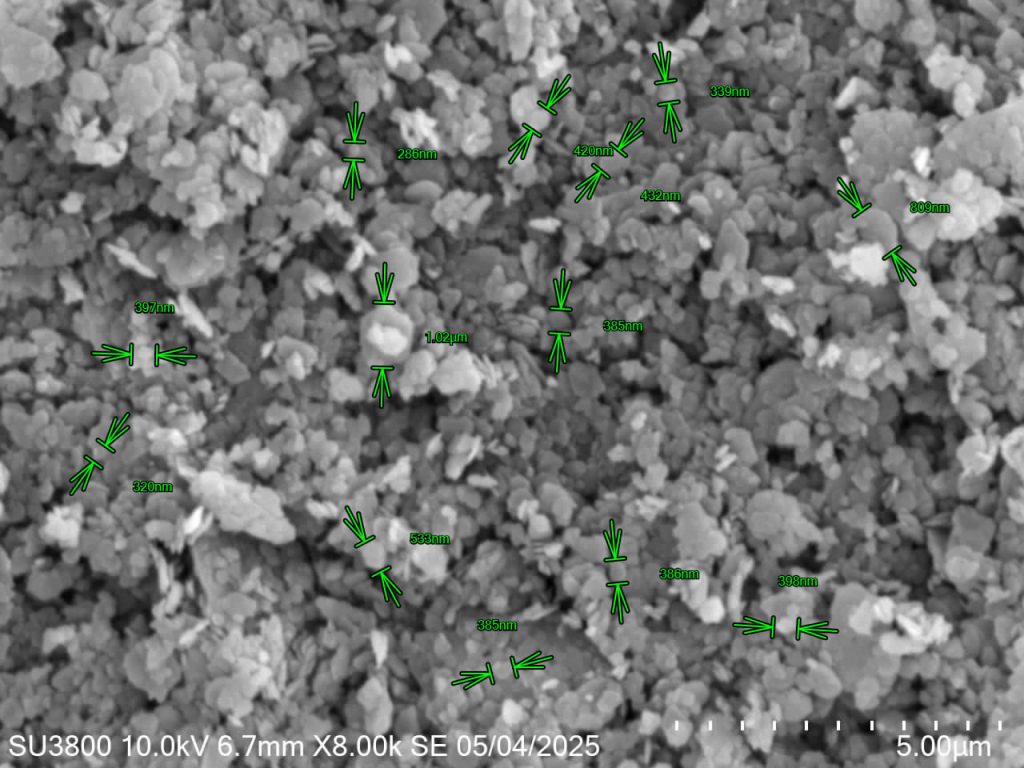
- Electron Micrograph Evidence: Visual presentation of its uniform nano-platelet morphology, with diameters around 300-400 nm and even thinner thickness, making structural features clear at a glance.
5. Win-Win Partnership: Choosing PF87, Choosing the Future
In today’s fiercely competitive market, cost reduction is no longer the sole objective. Winning requires material innovation to enhance product performance, achieve differentiation, and meet environmental regulations. PF87 is precisely the strategic material born for this purpose.
For rubber and plastic product manufacturers, choosing PF87 means:
- Achieving Performance Breakthroughs: Obtain performance close to high-end reinforcing agents at the cost of mineral fillers, overcoming technical challenges in light-colored high-strength products and high-air-tightness products.
- Optimizing Cost Structure: High loading reduces raw material costs; excellent processability lowers energy consumption and improves production efficiency, resulting in significant overall cost-performance.
- Simplifying Formulation and Supply Chain: One material can partially or completely replace multiple materials like carbon black, silica, and ordinary kaolin, simplifying procurement, inventory, and formulation management.
- Embracing Green Innovation: A green filler for sustainable rubber products based on natural minerals, aligning with sustainable development trends, helping customers develop more environmentally friendly end products.
- Gaining a Technology Partner: SaneZen Group is not just a supplier but a technology partner for co-development and problem-solving. Full-process support from lab to production ensures your success.
The performance claims for PF87 are supported by rigorous laboratory testing. Download the full report to review in-depth data on particle size analysis and compound performance: [Functional Nano Reinforcing Materials – Technical Data].
Conclusion
“As Heaven’s movement is ever vigorous, so must a gentleman ceaselessly strive along.” Upholding the spirit of constant self-renewal, SaneZen Group empowers ancient mineral materials with modern nanotechnology, creating PF87, a functional nano-reinforcing filler that leads the industry. It is more than a product; it is a new possibility, a solution that helps our customers build stronger technological barriers and cost advantages in the market.
We sincerely invite you to learn more about PF87 and begin preliminary evaluation and testing. Let us join hands and use innovative material technology to jointly shape a more efficient, greener, and more competitive future for the rubber and plastics industry.
SaneZen Group — An Enterprising, Efficient, and Win-Win Rubber Solution Provider.
For more detailed information about GreenThinking® PF87, to request samples, or for technical exchange, please visit our website or contact our technical sales team directly.
 English
  Spanish
  Russian