The advancement of hydrogen fuel cell vehicles depends heavily on how well their sealing components perform over time. ACM rubber has emerged as a practical option for hydrogen vehicle seals because its properties align with the operational demands these systems face. This elastomer addresses requirements for H2 compatibility and fuel cell performance that other materials struggle to meet consistently.
Why ACM Rubber Works for Hydrogen Vehicle Sealing
The hydrogen economy requires sealing materials that can handle conditions most elastomers cannot tolerate for extended periods. ACM rubber, a synthetic acrylate elastomer, resists heat, ozone, and oils at levels that matter in modern vehicle powertrains. For hydrogen vehicle seals specifically, material selection gets complicated by hydrogen’s characteristics as a fuel. Temperature and chemical resistance matter, but so does the gas’s small molecular size and high diffusivity. These factors demand ACM elastomer properties engineered for the long-term integrity of fuel cell technology and H2 storage systems. When seals fail in these applications, the consequences extend beyond component replacement to vehicle safety and operational efficiency.
How Hydrogen Attacks Elastomer Seals Through Permeation and Embrittlement
Hydrogen creates problems for elastomer seals through three primary mechanisms: permeation, embrittlement, and degradation. Permeation occurs when hydrogen molecules pass through the elastomer at a molecular level, leading to leakage and pressure loss over time. Hydrogen embrittlement happens under high-pressure hydrogen conditions when hydrogen atoms diffuse into the material, reducing ductility and increasing brittleness. This combination accelerates material degradation and seal failure. Understanding these phenomena drives the development of elastomers with superior permeation resistance and long-term reliability.
| Elastomer Type | Hydrogen Permeation Rate (cm³-mm/cm²-s-atm) |
|---|---|
| ACM | 1.5 x 10⁻⁸ |
| FKM | 0.8 x 10⁻⁸ |
| EPDM | 3.0 x 10⁻⁸ |
| NBR | 2.5 x 10⁻⁸ |
What Happens to ACM Rubber Under High-Pressure Hydrogen Conditions
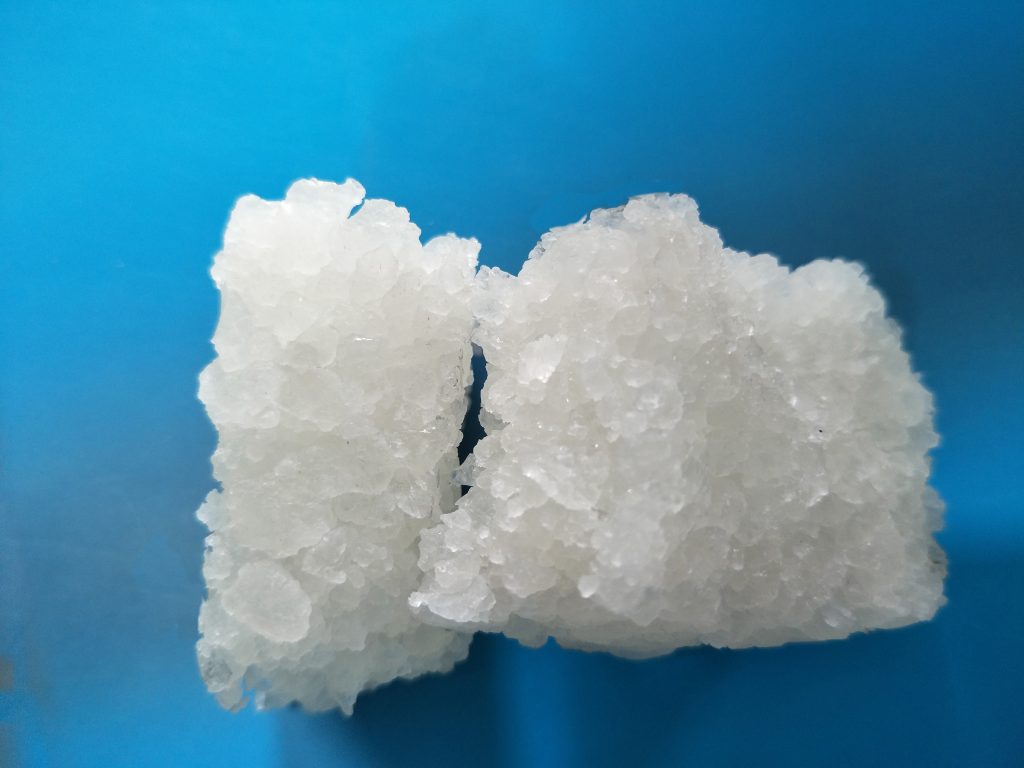
High-pressure sealing applications expose ACM rubber to hydrogen-induced blistering, where gas trapped within the elastomer expands rapidly upon decompression and damages the internal structure. Volume swell, a dimensional change from gas absorption, compounds the problem by compromising seal integrity. Precise material formulation and advanced compounding techniques address these issues by maintaining elastomer chemical compatibility and structural stability under cycling pressure conditions.
How to Optimize ACM Rubber for Fuel Cell Stack Performance
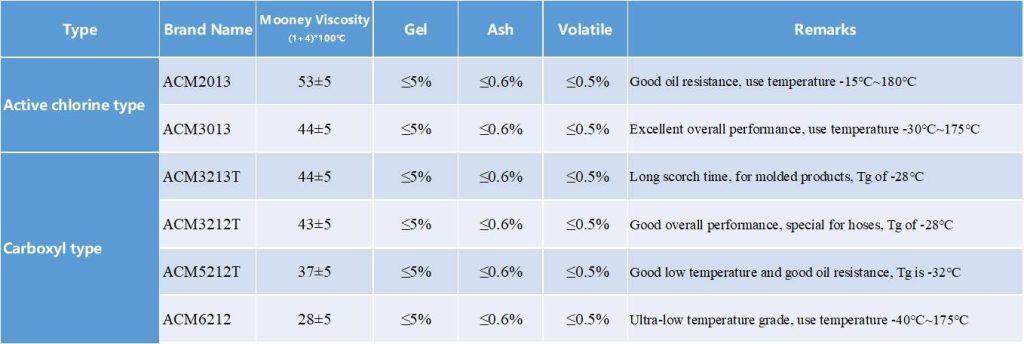
Optimizing ACM rubber for fuel cell stack seals requires attention to multiple properties simultaneously. Advanced compounding and specialized additives enhance ACM’s performance under fuel cell operating conditions in ways that base formulations cannot achieve. ACM formulations engineered for superior low temperature flexibility ensure seals perform reliably during cold starts. Compression set resistance determines whether a seal maintains its original shape and sealing force after prolonged deformation. Thermal stability matters because temperatures vary significantly within a fuel cell system during operation. Electrochemical performance cannot be overlooked either, since seals must not interfere with the electrochemical reactions occurring within the fuel cell. Aging tests predict and extend component lifespan in these dynamic environments.
If your application involves specific temperature cycling requirements or unusual pressure profiles, discussing formulation adjustments before finalizing specifications can prevent performance issues downstream.
How ACM Rubber Compares to FKM, EPDM, and NBR for Fuel Cell Seals
ACM rubber provides a balanced profile compared to other elastomers in fuel cell sealing applications. FKM (fluoroelastomer) generally delivers superior chemical resistance and lower permeation rates, but ACM offers better low-temperature flexibility and vibration damping. EPDM (ethylene propylene diene monomer) seals excel in ozone and weathering resistance but typically have lower temperature limits and oil resistance than ACM. NBR (nitrile butadiene rubber) provides good oil resistance but falls short in high-temperature and ozone environments. Elastomer selection criteria prioritize the specific requirements of each fuel cell component, which often leads to customized ACM formulations that balance these competing properties.
What Testing Standards Apply to Hydrogen Seal Materials
International standards including ISO 19880 and SAE J2600 establish the framework for hydrogen vehicle component safety and reliability. These standards define material characterization requirements and seal design considerations that hydrogen vehicle seals must satisfy. Pressure cycling tests and precise leakage rate measurements validate the integrity and long-term reliability of ACM rubber compounds. This regulatory compliance and quality assurance work extends component lifespan and ensures hydrogen storage and delivery system safety.
ISO 19880 covers gaseous hydrogen land vehicle fueling connections, while SAE J2600 addresses compressed hydrogen storage systems. Both mandate specific pressure cycling tests that simulate real-world operational stresses and define acceptable leakage rates. Material compatibility tests under various hydrogen pressures and temperatures assess potential degradation and confirm long-term sealing performance.
Where ACM Rubber Development Is Heading for Hydrogen Applications
Sustainable mobility increasingly depends on hydrogen technology advancements, and ACM rubber development continues to address emerging requirements. Polymer science trends are driving next-generation ACM compounds with enhanced resistance and durability for hydrogen applications. Advanced polymer solutions offering superior permeation resistance and extended component lifespan under extreme conditions are under active development. Tailoring molecular structures and incorporating novel additives further optimizes ACM elastomer properties for green hydrogen adoption. This material innovation supports automotive industry trends toward cleaner energy by enabling more efficient and reliable hydrogen fuel cell systems.
How SANEZEN Approaches Rubber Solutions for Hydrogen Applications
SANEZEN (Shanghai) Co., Ltd applies its expertise in advanced rubber solutions to hydrogen application demands. As a high-tech company with an international vision, SANEZEN engages in rubber raw materials and rubber compound business, offering comprehensive solutions through research, development, production, sales, and service. R&D collaboration with world-famous industry partners enables continuous optimization of production processes and delivery of high-quality, customized rubber compounds for hydrogen vehicle seals. Innovative ideas and lean production ensure SANEZEN rubber compounds provide the performance and reliability sustainable mobility requires.
Frequently Asked Questions About ACM Rubber in Hydrogen Environments
What specific properties make ACM rubber suitable for hydrogen vehicle seals?
ACM rubber resists heat, ozone, and oil at levels that keep it durable in demanding automotive environments. Tailored formulations achieve good impermeability to hydrogen gas, which maintains seal integrity and prevents leakage in fuel cell systems. The combination of these properties in a single elastomer makes ACM practical for applications where other materials would require compromises.
How do temperature extremes affect ACM rubber sealing performance in fuel cells?
ACM rubber maintains mechanical properties and sealing effectiveness across a broad temperature range during normal operation. Extreme low temperatures reduce flexibility, while prolonged exposure to very high temperatures accelerates aging. Specialized ACM grades optimize performance under specific fuel cell operating temperatures by adjusting the polymer backbone and additive package.
Can ACM rubber compounds be formulated for specific hydrogen vehicle designs?
Customization is standard practice for optimal performance. ACM rubber compounds can be formulated to meet precise specifications for hardness, compression set, chemical resistance, and permeation rates. This ensures seals match the unique design and operational requirements of various hydrogen vehicle components. To discuss specific project requirements and how ACM rubber compounds can address your fuel cell system needs, contact SANEZEN at +86 136 7164 1995 or yorichen@sanezen.com.
If you’re interested, you may want to read the following articles:
mechanism application anti fatigue agent rubber industry
silica dispersant carbon black dispersant systematic solution solving filler dispersion bottlenecks
thermally conductive wear resistant filler rubber
friendly halogen free flame retardantfr99rp delivering high performance flame retardant solutions cables rubber energy vehicles
achieving ultra high conductivity carbon nanotube advantage
 English
  Spanish
  Russian