The Science Behind NBR/PVC Blends for EV Cable Jackets
NBR/PVC blends combine the oil and chemical resistance of nitrile butadiene rubber with the flame retardancy and processing advantages of polyvinyl chloride. This combination creates a polymer blend for cables that inherits the strengths of both components while compensating for their individual limitations. NBR provides flexibility and resilience as an elastomer, while PVC contributes structural integrity and inherent flame resistance as a thermoplastic.
The compound formulation process involves selecting specific NBR and PVC grades along with various additives to optimize final properties. This approach enables tailored solutions in material science for EV applications that address specific performance requirements for charging infrastructure.
NBR/PVC blends suit EV charging cable jackets because of their balanced property profile. They resist oils, greases, and various chemicals encountered in garage or industrial charging environments. Their mechanical strength provides abrasion resistance against daily wear. The ability to formulate these blends for specific levels of flame retardancy and low-temperature flexibility makes them preferable to single-polymer systems for demanding EV cable insulation applications.
Achieving Flame Retardancy and Cold Weather Flexibility in the Same Compound
Balancing superior flame retardancy with sustained flexibility in extreme cold presents a significant material engineering challenge. For EV charging cable jackets, this balance is non-negotiable.
Flame retardancy comes primarily from the PVC component and the incorporation of specific halogen-free flame retardants. These additives work by releasing non-combustible gases or forming a char layer that insulates the underlying material from heat and oxygen, inhibiting flame propagation.
Maintaining cold weather cable performance requires careful selection of plasticizers and blend ratios to prevent stiffening and embrittlement at low temperatures. Plasticizer migration is a key concern. High molecular weight, non-migratory plasticizers that remain stable within the polymer matrix over the cable’s service life address this issue effectively.
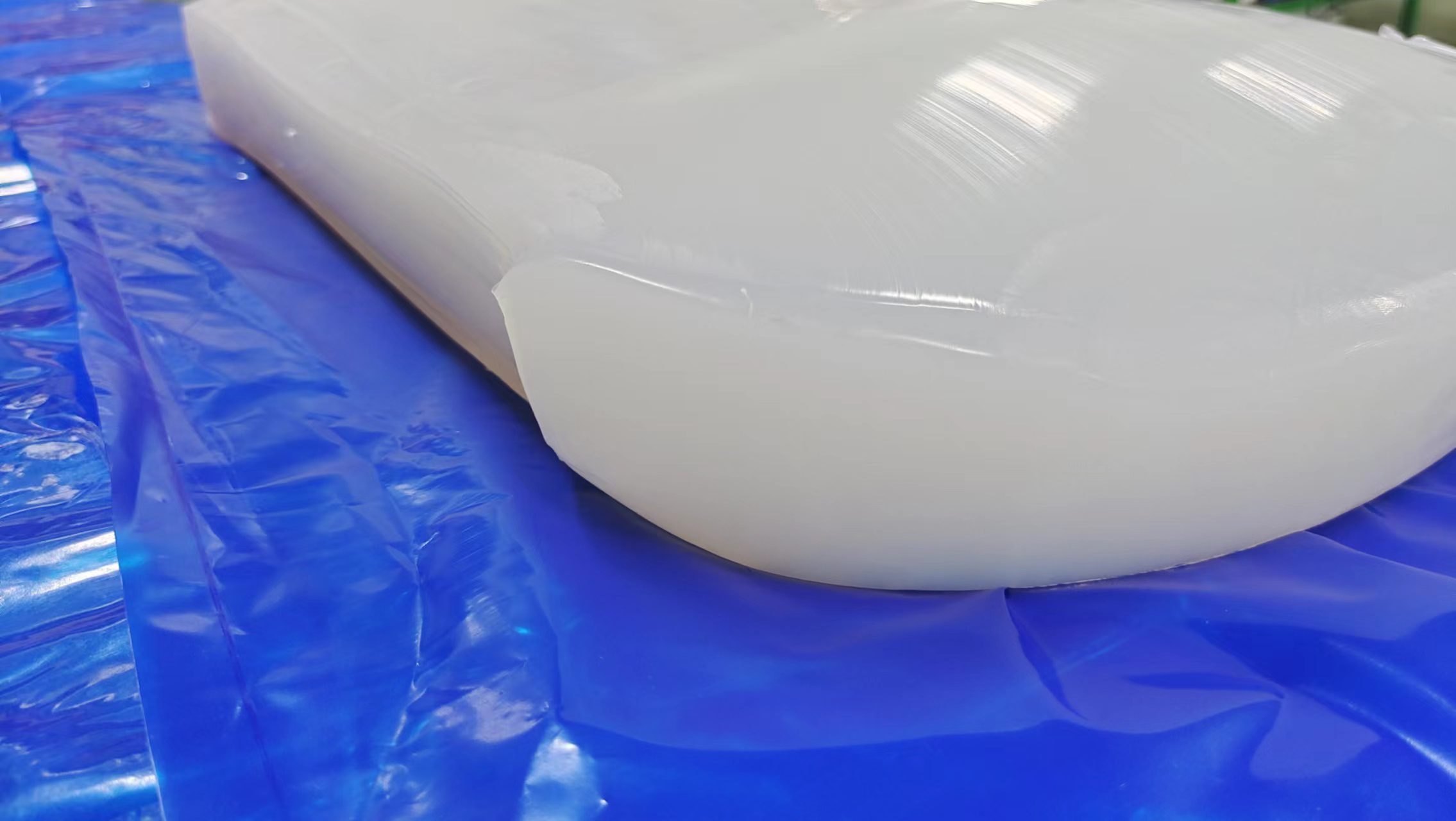
A project for a Nordic market illustrates this balance. Traditional plasticizers led to migration issues, causing embrittlement over time. A specific NBR/PVC blend with a novel polymeric plasticizer demonstrated a 30% improvement in flexibility at -40°C without compromising flame retardancy, meeting the IEC 62893 standard. This result confirmed the value of precise compound formulation.
| Flame Retardant Type | Primary Mechanism | Impact on Flexibility | Smoke Suppression |
|---|---|---|---|
| Magnesium Hydroxide | Endothermic decomp. | Minimal | Good |
| Aluminum Trihydrate | Endothermic decomp. | Minimal | Good |
| Phosphorus-based | Char formation | Moderate | Variable |
| Halogenated | Radical quenching | Low | Poor |
NBR/PVC blends achieve this dual performance through a combination of inherent polymer properties and strategic additive incorporation. The PVC component naturally contributes to flame retardancy, enhanced by additives that disrupt the combustion process. For low-temperature flexibility, the NBR component provides elastomeric properties, while specialized plasticizers lower the glass transition temperature of the blend. These plasticizers are chosen for compatibility with both NBR and PVC, preventing migration and maintaining long-term flexibility even in frigid conditions.
Why Durability and Environmental Resistance Matter for Outdoor Charging Stations
The operating environment for EV charging cables demands materials that offer robust durability and environmental resistance. Cable jacket compounds must withstand UV radiation from sunlight, exposure to oils and chemicals, and mechanical abrasion from repeated handling.
For outdoor cables, UV resistance for outdoor cables prevents material degradation, cracking, and discoloration over time. Oil and chemical resistance maintains jacket integrity when exposed to automotive fluids or cleaning agents. Abrasion resistance protects against physical damage from dragging or contact with rough surfaces.
Material properties evaluation for EV cable jackets includes rigorous testing for these parameters. Materials are assessed not only for initial performance but also for their long-term service life of EV charging cables under accelerated aging conditions that simulate years of outdoor exposure and operational stress.
If your application involves outdoor charging infrastructure in harsh climates, discussing the specific environmental stressors before selecting a compound formulation is worth the time.
What Global Standards Require from EV Cable Jacket Materials
Compliance with international standards is fundamental for any material used in EV infrastructure. For EV charging cable jacket materials, this means adhering to specific UL standards for EV cables and IEC standards for EV cables, among others.
These standards cover flame propagation, mechanical strength, chemical resistance, and electrical properties like dielectric strength. Charging station cable requirements are particularly stringent, reflecting the safety-critical nature of high-power electrical transmission. Working closely with certification bodies ensures NBR/PVC blend formulations not only meet but often exceed these safety standards for EV charging.
Critical performance standards for EV charging cable jacket materials typically include UL 62 for flexible cords and cables, IEC 62893 for EV cables, and regional standards like EN 50620. These standards specify requirements for flame retardancy through vertical flame tests, mechanical properties including tensile strength, elongation, and abrasion resistance, chemical resistance, and low-temperature performance. Electrical properties such as insulation resistance and dielectric strength are also rigorously tested to ensure safety and operational integrity under various conditions.
Where EV Cable Materials Are Heading Next
The trajectory of EV cable materials points toward continuous innovation and a stronger focus on sustainability in cable materials. As electric vehicle infrastructure expands globally, demand for high-performance, environmentally responsible materials will intensify.
Advanced cross-linking technology enhances mechanical properties and thermal stability, further improving the service life of EV charging cables. Research into low carbon material solutions and materials with reduced environmental impact of cable materials throughout their lifecycle is ongoing.
Development of next-generation NBR/PVC blends that offer improved performance characteristics, such as enhanced flexibility at even lower temperatures or superior resistance to novel chemicals, while supporting the broader goals of a circular economy, represents the direction of this work.
To discuss specific EV cable material requirements, contact Sane Zenchem (Shanghai) Co., Ltd.
E-mail: yorichen@sanezen.com
Mobile: +86 136 7164 1995
FAQ
How does NBR/PVC compare to other common cable jacket materials for EV applications?
NBR/PVC blends offer a superior balance of oil and chemical resistance, flame retardancy, and low-temperature flexibility compared to general-purpose PVC or rubber. Their combined strengths address the multifaceted requirements of modern EV charging environments effectively, particularly where cables face exposure to automotive fluids alongside temperature extremes.
Can NBR/PVC EV cable jackets withstand prolonged outdoor UV exposure?
Specifically formulated NBR/PVC compounds incorporate UV stabilizers to provide excellent UV resistance for outdoor cables, preventing degradation and ensuring long-term performance in various climates. This targeted additive approach maintains material integrity and appearance over extended periods of sun exposure.
What is the typical service life expected from NBR/PVC EV charging cable jackets?
With proper formulation and installation, NBR/PVC cable jackets are designed for a long service life of EV charging cables, often exceeding 10 years even under continuous exposure to environmental stressors and mechanical wear. This longevity contributes to the reliability and cost-effectiveness of EV charging infrastructure. For projects with specific lifespan requirements or unusual environmental conditions, discussing the compound formulation details with a materials specialist ensures the jacket meets operational expectations.
If you’re interested, check out these related articles:
nano rubber filler legendary lightcolored filler peroxide curing systems
high efficiency conductiona conductive solution epdm fkm compound on carbon nanotubes
high performance anti fatigue agents natural rubber compounds ef bc 9aaf27
sanezen nano reinforcing rubber filler that masters both reinforcement air retention
phenyl silicone rubber pvmq paradigm chinese innovation high performance sealing materials
 English
  Spanish
  Russian